Why You’ll Love This Sri Lankan Lamb Curry
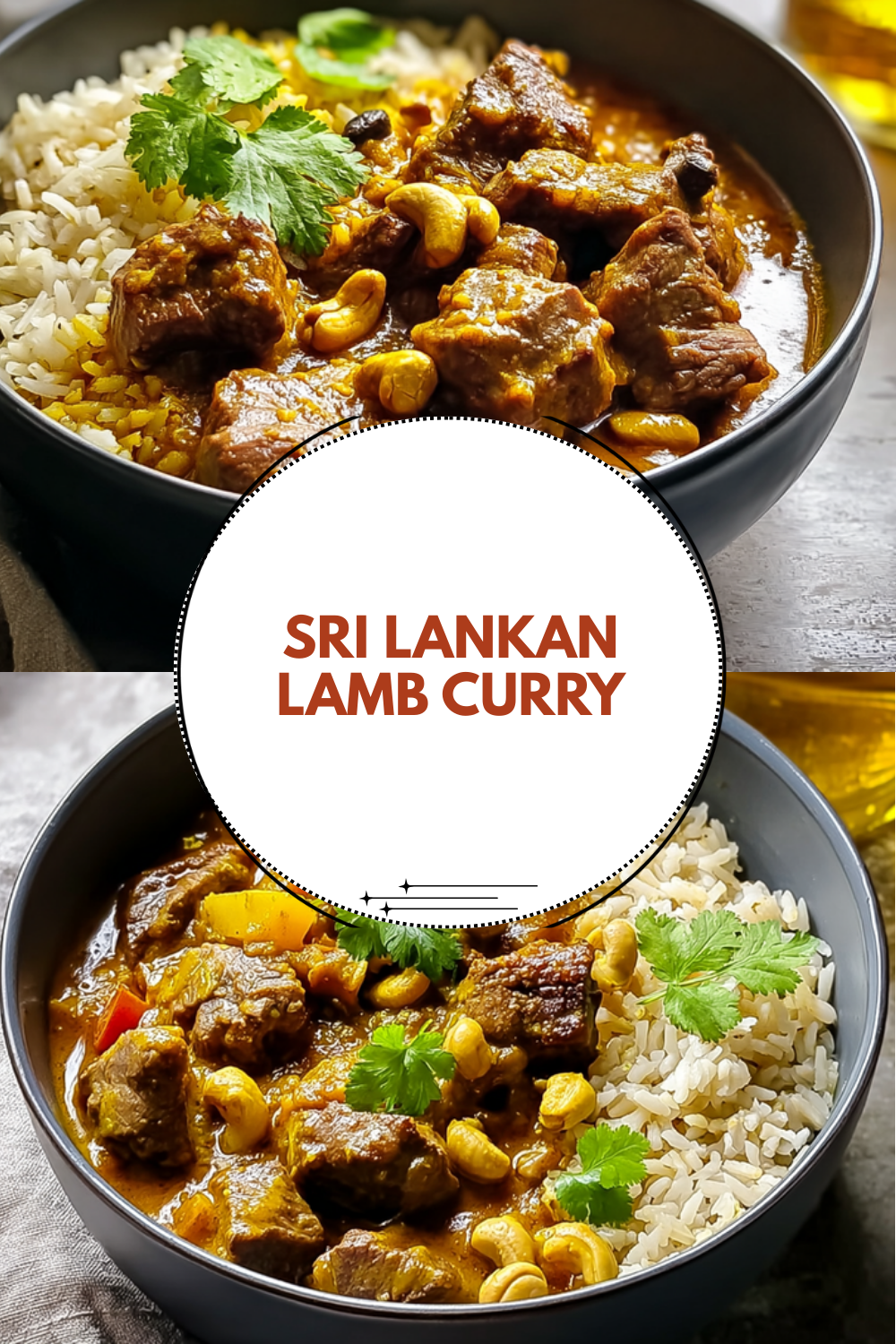
This Sri Lankan lamb curry brings the rich, aromatic flavors of traditional Sri Lankan cuisine right to your kitchen, making it a favorite for anyone eager to try new tastes. It’s simple to whip up, even if you’re new to cooking, and uses ingredients that are often easy to find at your local store. Once you taste the blend of spices and tender meat, you’ll want to make it again and again.
One of the best parts is how it fits into busy days, as it requires just a few steps and common pantry items. Health-wise, it’s loaded with spices like turmeric that may help with digestion and offer anti-inflammatory benefits. Plus, the lamb provides protein that keeps you full and energized.
This dish shines with its ability to adapt to different needs, whether you’re cutting calories or going vegan. The deep, savory notes from the curry leaves and coconut milk make every bite exciting, turning a simple meal into something special that everyone can enjoy.
Jump to:
- Why You’ll Love This Sri Lankan Lamb Curry
- Essential Ingredients for Sri Lankan Lamb Curry
- How to Prepare the Perfect Sri Lankan Lamb Curry: Step-by-Step Guide
- Step 1: Prepare the Meat
- Step 2: Heat and Sauté
- Step 3: Add Spices
- Step 4: Cook the Meat
- Step 5: Final Simmer
- Dietary Substitutions to Customize Your Sri Lankan Lamb Curry
- Mastering Sri Lankan Lamb Curry: Advanced Tips and Variations
- How to Store Sri Lankan Lamb Curry: Best Practices
- FAQs: Frequently Asked Questions About Sri Lankan Lamb Curry
- Can I make Sri Lankan Lamb Curry with other types of meat?
- What can I use if I don’t have Sri Lankan curry powder?
- How do I store and reheat Sri Lankan Lamb Curry safely?
- Can I make a vegetarian version of this curry?
- How can I make the curry spicier or thicker?
- Sri Lankan Lamb Curry
- Ingredients
- Instructions
- Last Step:
- Notes
- Nutrition
- Did you make this recipe?
Essential Ingredients for Sri Lankan Lamb Curry
Gathering the right ingredients is key to creating an authentic Sri Lankan lamb curry that bursts with flavor. Below, you’ll find a complete list based on the traditional recipe, ensuring you have everything needed for a delicious outcome. This section focuses on precise measurements to help you measure accurately and avoid any guesswork.
- 1 kilogram mutton or lamb (can substitute with goat, hogget, or beef)
- 5 cloves garlic
- 2 inch piece of ginger
- 1 teaspoon fine sea salt (more if using kosher salt)
- ½ teaspoon cayenne pepper (adjust to taste)
- 2 teaspoons Sri Lankan curry powder (can substitute with garam masala or Madras curry powder)
- ½ teaspoon turmeric powder
- 2 tablespoons vegetable oil (optional)
- 2 tablespoons coconut oil or vegetable oil (for cooking)
- ½ large onion, diced (about 1 cup)
- ½ stalk lemongrass (bottom half)
- 8 to 10 curry leaves (dried or fresh)
- ¼ teaspoon sea salt
- 4 inch screwpine leaf (rampe) or 2 bay leaves as substitute
- 1 teaspoon ground fennel seeds
- ½ teaspoon ground cumin
- 4 to 5 green cardamom pods, ground seeds
- 1 teaspoon cayenne pepper (adjust to taste)
- 1 tablespoon Sri Lankan curry powder (additional)
- 1 teaspoon white sugar
- 1 to 1.5 cups water
- 1 cup coconut milk
- Salt to taste
Besides these basics, you might consider special options for different diets. For instance, if you’re vegan, swap the lamb for jackfruit or tofu to keep the dish hearty. This ensures the recipe stays flexible while holding onto its core flavors.
How to Prepare the Perfect Sri Lankan Lamb Curry: Step-by-Step Guide
Getting started with Sri Lankan lamb curry is all about taking it one step at a time for the best results. Begin by preparing your ingredients to make the process smooth and fun, just like chatting over a family meal. This method draws from traditional techniques to bring out the full depth of flavors.
Step 1: Prepare the Meat
Cut the mutton or lamb into 1-inch pieces, whether bone-in or boneless. Mince the garlic and ginger finely, then mix them with the meat along with 1 teaspoon fine sea salt, ½ teaspoon cayenne pepper, 2 teaspoons Sri Lankan curry powder, ½ teaspoon turmeric powder, and 2 tablespoons vegetable oil. Cover and let it marinate for at least 30 minutes, or up to 24 hours in the fridge for richer taste.
Step 2: Heat and Sauté
Heat 2 tablespoons coconut oil in a large pot over medium heat. Add the diced onion and sauté until it’s softened and slightly colored. Then, mix in the lemongrass, screwpine leaf or bay leaves, and curry leaves, along with ¼ teaspoon sea salt, and sauté for another minute.
Step 3: Add Spices
Stir in 1 teaspoon ground fennel seeds, ½ teaspoon ground cumin, the ground seeds from 4 to 5 green cardamom pods, 1 teaspoon cayenne pepper, and 1 tablespoon additional Sri Lankan curry powder. Sauté for 30 to 60 seconds until fragrant, making sure not to burn the spices.
Step 4: Cook the Meat
Add the marinated meat and 1 teaspoon white sugar to the pot, stirring well to combine. Cover and simmer on low heat for about 10 minutes, stirring occasionally. Pour in 1 to 1.5 cups water, cover again, and cook for 20 to 30 minutes, stirring as needed.
Step 5: Final Simmer
Simmer uncovered for another 20 minutes or until the meat is tender; add more water if the gravy gets too thick. Stir in 1 cup coconut milk and simmer for an additional 10 minutes. Adjust salt to taste and let the curry rest for 15 to 20 minutes before serving to deepen the flavors. For a link to more dessert ideas that pair well, check out our banana bundt cake recipe for a sweet finish.

Dietary Substitutions to Customize Your Sri Lankan Lamb Curry
Making Sri Lankan lamb curry your own is easy with a few smart swaps, allowing it to fit various lifestyles. For example, if you’re looking for lighter options, switch out the protein or adjust the spices. This keeps the dish exciting while meeting your needs.
- Protein and Main Component Alternatives: Jackfruit for a plant-based feel, tofu for extra protein, or chicken for a milder taste.
- Vegetable, Sauce, and Seasoning Modifications: Add potatoes or spinach for more veggies, use light coconut milk to cut calories, or tweak chili amounts for less heat.
Remember, for gluten-free tweaks, stick to certified spices. These changes help keep the curry adaptable and delicious for everyone at the table. Learn more about the health benefits of lamb to see why it’s a great base.
Mastering Sri Lankan Lamb Curry: Advanced Tips and Variations
Once you’re comfortable with the basics, take your Sri Lankan lamb curry to the next level with pro tips that make it even better. Marinating the meat overnight, for instance, really brings out the flavors and makes it more tender. Using a heavy pot helps distribute heat evenly for consistent results.
Try flavor twists like adding tamarind for a tangy kick or extra curry leaves for that true island vibe. When it’s time to serve, top it with fresh herbs for a nice touch. For more ideas on creative recipes, explore our strawberry shortcake trifles to balance savory with sweet. Remember, letting the curry sit before eating allows the tastes to blend perfectly.
| Nutrient | Amount per Serving |
|---|---|
| Calories | 363 kcal |
| Carbohydrates | 7 g |
| Protein | 35 g |
| Fat | 22 g |
| Vitamin C | 30 mg |
Here are quick tips: Use bone-in meat for deeper flavor, bloom spices carefully, and adjust heat as you like. You can even swap coconut milk for yogurt if you want something different.
How to Store Sri Lankan Lamb Curry: Best Practices
Keeping your Sri Lankan lamb curry fresh is simple with the right storage methods, so it tastes great even later. Put leftovers in a sealed container in the fridge for up to 3 days to lock in flavor. For longer keep, freeze it in safe containers for up to 3 months.
- Refrigeration: Cool the curry fully before storing to avoid bacteria.
- Freezing: Divide into portions for easy reheating without waste.
- Reheating: Warm it slowly on the stove, adding a bit of coconut milk to keep it moist.
This way, you can enjoy a quick meal any day. For more on ingredients like coconut milk, check out nutritional value of coconut milk.
FAQs: Frequently Asked Questions About Sri Lankan Lamb Curry
Can I make Sri Lankan Lamb Curry with other types of meat?
What can I use if I don’t have Sri Lankan curry powder?
How do I store and reheat Sri Lankan Lamb Curry safely?
Can I make a vegetarian version of this curry?
How can I make the curry spicier or thicker?
Sri Lankan Lamb Curry
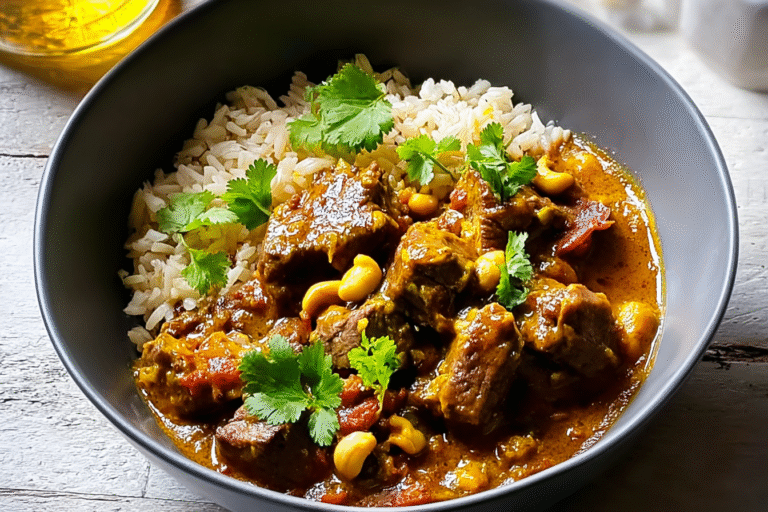
🍛 This Authentic Mutton Curry Recipe is packed with traditional Sri Lankan spices and rich flavors for a deeply satisfying dish.
🥥 Combining bone-in meat and coconut milk, it offers tender, flavorful curry perfect for special meals or comforting family dinners.
- Total Time: 2 hours 15 minutes
- Yield: 6 servings 1x
Ingredients
1 kilogram mutton or lamb
5 cloves garlic
2 inch piece of ginger
1 teaspoon fine sea salt
½ teaspoon cayenne pepper (adjust to taste)
2 teaspoons Sri Lankan curry powder
½ teaspoon turmeric powder
2 tablespoons vegetable oil (optional)
2 tablespoons coconut oil or vegetable oil for cooking
½ large onion, diced (about 1 cup)
½ stalk lemongrass (bottom half)
8 to 10 curry leaves (dried or fresh)
¼ teaspoon sea salt
4 inch screwpine leaf (rampe) or 2 bay leaves as substitute
1 teaspoon ground fennel seeds
½ teaspoon ground cumin
4 to 5 green cardamom pods, ground seeds
1 teaspoon cayenne pepper (adjust to taste)
1 tablespoon Sri Lankan curry powder (additional)
1 teaspoon white sugar
1 to 1.5 cups water
1 cup coconut milk
Salt to taste
Instructions
1-Step 1: Prepare the Meat Cut the mutton or lamb into 1-inch pieces, whether bone-in or boneless. Mince the garlic and ginger finely, then mix them with the meat along with 1 teaspoon fine sea salt, ½ teaspoon cayenne pepper, 2 teaspoons Sri Lankan curry powder, ½ teaspoon turmeric powder, and 2 tablespoons vegetable oil. Cover and let it marinate for at least 30 minutes, or up to 24 hours in the fridge for richer taste.
2-Step 2: Heat and Sauté Heat 2 tablespoons coconut oil in a large pot over medium heat. Add the diced onion and sauté until it’s softened and slightly colored. Then, mix in the lemongrass, screwpine leaf or bay leaves, and curry leaves, along with ¼ teaspoon sea salt, and sauté for another minute.
3-Step 3: Add Spices Stir in 1 teaspoon ground fennel seeds, ½ teaspoon ground cumin, the ground seeds from 4 to 5 green cardamom pods, 1 teaspoon cayenne pepper, and 1 tablespoon additional Sri Lankan curry powder. Sauté for 30 to 60 seconds until fragrant, making sure not to burn the spices.
4-Step 4: Cook the Meat Add the marinated meat and 1 teaspoon white sugar to the pot, stirring well to combine. Cover and simmer on low heat for about 10 minutes, stirring occasionally. Pour in 1 to 1.5 cups water, cover again, and cook for 20 to 30 minutes, stirring as needed.
5-Step 5: Final Simmer Simmer uncovered for another 20 minutes or until the meat is tender; add more water if the gravy gets too thick. Stir in 1 cup coconut milk and simmer for an additional 10 minutes. Adjust salt to taste and let the curry rest for 15 to 20 minutes before serving to deepen the flavors. For a link to more dessert ideas that pair well, check out our banana bundt cake recipe for a sweet finish.
Last Step:
Please leave a rating and comment letting us know how you liked this recipe! This helps our business to thrive and continue providing free, high-quality recipes for you.Notes
🍖 Using bone-in meat enhances flavor.
⏳ Marinate overnight for optimal taste.
🔥 Carefully bloom spices to avoid bitterness.
🌶️ Adjust cayenne for preferred heat level.
🥥 Substitute curry powders or use yogurt instead of coconut milk for variation.
❄️ Freeze leftovers up to 3 months.
⏲️ Let curry rest for better flavor before serving.
🌿 Garnish with fresh cilantro if desired.
⚠️ Avoid reheating multiple times to maintain meat texture.
- Prep Time: 30 minutes
- Cooking time: 1 hour 45 minutes
- Cook Time: 1 hour 45 minutes
- Category: Main Dish
- Method: Marinating, sautéing, simmering
- Cuisine: Sri Lankan
- Diet: Omnivore
Nutrition
- Serving Size: 1 serving
- Calories: 363 kcal
- Sugar: 1 g
- Sodium: 602 mg
- Fat: 22 g
- Saturated Fat: 14 g
- Unsaturated Fat: 6 g
- Trans Fat: 0 g
- Carbohydrates: 7 g
- Fiber: 1 g
- Protein: 35 g
- Cholesterol: 108 mg