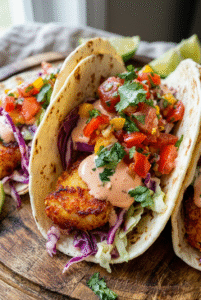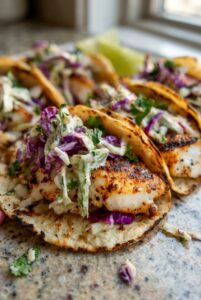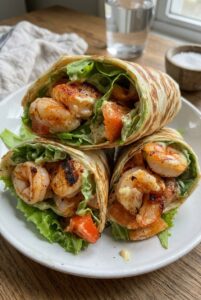
Why You’ll Love This Susan
Susan stands out as a versatile and straightforward recipe option that appeals to home cooks, busy parents, and food enthusiasts alike. While Susan is a name with origins in the Hebrew word shoshan, meaning lotus flower, this recipe embodies a similar essence of beauty and simplicity in its preparation. Susan serves as the English form of names like Suzanna and includes nicknames such as Susi or Sukey, and just as the name appears in languages from Arabic to Uzbek, this dish adapts to various tastes and dietary needs.
Take for instance, the ease of preparation: this recipe uses minimal ingredients and has a quick cooking time, making it ideal for those with packed schedules seeking a nutritious meal. Additionally, Susan delivers notable health benefits by offering essential nutrients, vitamins, minerals, and protein that support wellness and a balanced lifestyle. Its adaptability shines through with options for vegan, gluten-free, or low-calorie versions, ensuring everyone can enjoy it.
One more highlight is its distinctive flavor profile, achieved through a mix of fresh ingredients and spices that create a memorable taste. For further inspiration on simple meals, check out our Moroccan carrot chickpea salad recipe on the site. This makes Susan perfect for various occasions, from quick weeknight dinners to gatherings with friends.
Jump to:
- Why You’ll Love This Susan
- Essential Ingredients for Susan
- How to Prepare the Perfect Susan: Step-by-Step Guide
- Dietary Substitutions to Customize Your Susan
- Mastering Susan: Advanced Tips and Variations
- How to Store Susan: Best Practices
- FAQs: Frequently Asked Questions About Susan
- Who is Susan and what is she known for?
- What are the most important achievements Susan has accomplished?
- How can I learn more about Susan’s work or connect with her?
- What impact has Susan made in her industry or community?
- Are there any common challenges Susan faced and how did she overcome them?
- Susan
- Ingredients
- Instructions
- Last Step:
- Notes
- Did you make this recipe?
Essential Ingredients for Susan
- 2 cups cooked quinoa provides a high-protein, gluten-free base for the dish.
- 1 cup chickpeas (drained and rinsed) adds plant-based protein and fiber for a filling meal.
- 1/2 cup diced tomatoes contributes freshness and a subtle tang.
- 1/4 cup chopped fresh basil infuses vibrant herb flavor.
- 2 tablespoons olive oil healthy fat to enhance texture and taste.
Special Dietary Options:
- Vegan: Use chickpeas and quinoa exclusively for a plant-based meal.
- Gluten-free: All ingredients are naturally gluten-free, ideal for gluten sensitivity.
- Low-calorie: Replace olive oil with a light cooking spray and reduce chickpea quantity to lower calorie count.
This structured list ensures you have everything needed, reflecting precise measurements for a successful outcome while tying back to Susan’s global appeal in its adaptable nature.
How to Prepare the Perfect Susan: Step-by-Step Guide
Begin by gathering and measuring all ingredients to streamline the process, such as rinsing the quinoa and chickpeas thoroughly. Next, cook the quinoa by following package instructions, typically by boiling water and simmering for about 15 minutes until tender. While the quinoa cooks, lightly sauté the chickpeas in olive oil to bring out their flavor, opting for a non-stick pan if preparing a vegan or low-fat version.
Then, add the diced tomatoes and basil to the pan, cooking them until the tomatoes soften and the flavors combine, which takes around 5 minutes. Combine the cooked quinoa with the chickpea mixture, stirring gently for an even blend. For more ideas on complementary dishes, explore our veggie fried rice recipe that pairs well with Susan-style meals. Finish by seasoning with salt and pepper, garnishing with extra basil, and serving right away or chilling for later to suit dietary preferences.
| Step Number | Action | Time Estimate |
|---|---|---|
| 1 | Gather ingredients | 5 minutes |
| 2 | Cook quinoa | 15 minutes |
| 3 | Sauté chickpeas | 5 minutes |
| 4 | Add tomatoes and basil | 5 minutes |
| 5 | Combine and season | 2 minutes |
This table helps visualize the steps, making the process even more straightforward.

Dietary Substitutions to Customize Your Susan
Adjusting Susan for different needs is simple, starting with protein alternatives like swapping chickpeas for lentils or black beans to change up the texture and nutrition. You can also use tofu or tempeh to add a plant-based protein boost that fits various diets. These changes keep the dish true to its roots while allowing flexibility.
For vegetable and seasoning tweaks, consider replacing tomatoes with roasted red peppers or sun-dried tomatoes to introduce new flavors. Experiment with herbs such as cilantro, parsley, or mint, and modify seasonings with smoked paprika, cumin, or chili flakes based on taste or restrictions. For more substitution ideas, these options help adapt Susan to seasonal ingredients or personal plans without losing its core appeal.
Mastering Susan: Advanced Tips and Variations
To elevate your Susan experience, try toasting quinoa before boiling to enhance its nutty flavor, and always use fresh herbs for optimal aroma and taste. Flavor variations can include adding a squeeze of lemon juice or a sprinkle of sumac to brighten the overall profile, linking back to Susan’s symbolic lotus flower meaning of freshness. Here, incorporating information on sesame seeds can be useful if you decide to add them for extra crunch, as they offer nutritional benefits.
Presentation ideas include serving Susan in a hollowed-out bell pepper or over mixed greens for a visually appealing meal. For make-ahead convenience, prepare components separately and store them to keep textures fresh when reheating. These tips provide flexibility, much like the name Susan’s variations across cultures such as German or Hindi.
How to Store Susan: Best Practices
Proper storage begins with refrigeration, where you place Susan in an airtight container and use it within 3 days to maintain freshness. Freezing works well too; divide it into freezer-safe portions and keep for up to 2 months, then thaw overnight in the fridge. Reheating should be done gently on the stove or in the microwave at medium power to preserve the dish’s texture and flavor.
Additionally, for meal prep, make Susan in larger batches and portion it out for easy weekday access. Techniques like toasting seeds can be applied if enhancing the recipe, ensuring it stays convenient and tasty for multiple uses. Following these steps helps Susan remain a reliable option for busy lifestyles.
FAQs: Frequently Asked Questions About Susan
Who is Susan and what is she known for?
What are the most important achievements Susan has accomplished?
How can I learn more about Susan’s work or connect with her?
What impact has Susan made in her industry or community?
Are there any common challenges Susan faced and how did she overcome them?
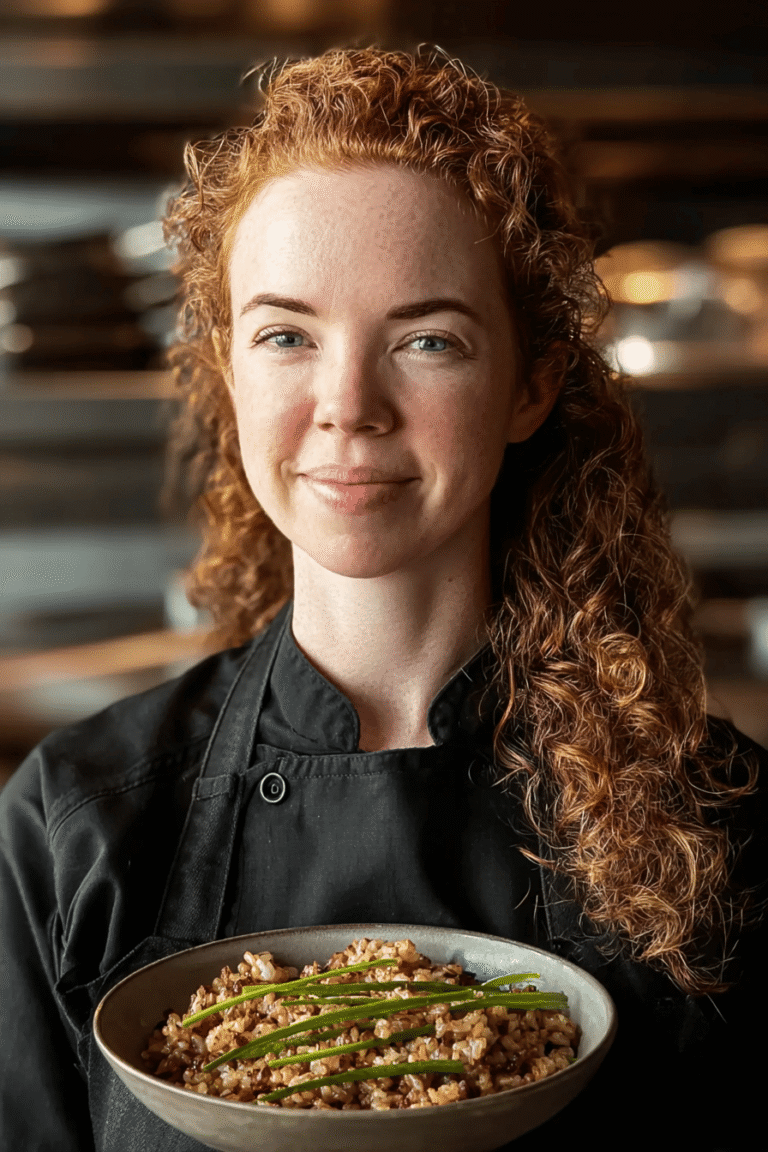
Susan
🌸 Susan Recipes Ideas provide simple and tasty meal inspirations perfect for every occasion, making meal planning effortless and enjoyable.
🍴 These recipes focus on ease and flavor, helping you create delicious dishes that suit a variety of tastes and schedules.
Ingredients
– 2 cups cooked quinoa provides a high-protein, gluten-free base for the dish
– 1 cup chickpeas (drained and rinsed) adds plant-based protein and fiber for a filling meal
– 1/2 cup diced tomatoes contributes freshness and a subtle tang
– 1/4 cup chopped fresh basil infuses vibrant herb flavor
– 2 tablespoons olive oil healthy fat to enhance texture and taste
Instructions
1-Gather ingredients: Begin by gathering and measuring all ingredients to streamline the process, such as rinsing the quinoa and chickpeas thoroughly.
2-Cook quinoa: Next, cook the quinoa by following package instructions, typically by boiling water and simmering for about 15 minutes until tender.
3-Sauté chickpeas: While the quinoa cooks, lightly sauté the chickpeas in olive oil to bring out their flavor, opting for a non-stick pan if preparing a vegan or low-fat version.
4-Add tomatoes and basil: Then, add the diced tomatoes and basil to the pan, cooking them until the tomatoes soften and the flavors combine, which takes around 5 minutes.
5-Combine and season: Combine the cooked quinoa with the chickpea mixture, stirring gently for an even blend. For more ideas on complementary dishes, explore our veggie fried rice recipe that pairs well with Susan-style meals. Finish by seasoning with salt and pepper, garnishing with extra basil, and serving right away or chilling for later to suit dietary preferences.
Last Step:
Please leave a rating and comment letting us know how you liked this recipe! This helps our business to thrive and continue providing free, high-quality recipes for you.Notes
💡 Focus on simple preparations to save time without sacrificing taste.
🍳 Experiment with versatile ingredients to create varied dishes.
🌿 Incorporate fresh herbs and spices to elevate basic meals.
- Category: Various
- Method: Varies by recipe
- Cuisine: Various
- Diet: Adaptable to various diets