Why You’ll Love This Sushi Cups
If you’re all about quick meals that pack in flavor and fun, these sushi cups are a game-changer. They come together with minimal effort, making them ideal for busy days when you want something tasty but don’t have hours to cook. Plus, they’re inspired by those viral TikTok trends that make food feel fresh and exciting.
One big perk is the ease of preparation. Sushi cups are simple to make and require minimal cooking time, making them perfect for quick meals or entertaining. This recipe uses a straightforward assembly process that even beginners can follow with ease. You’ll love how they offer health benefits too, packed with fresh ingredients like salmon that bring in lean proteins and essential nutrients.
Beyond that, their versatility stands out. Sushi cups can be easily adapted to suit various dietary needs including vegan, gluten-free, or low-calorie diets by swapping out specific ingredients without sacrificing flavor or quality. The distinctive flavor combines seasoned rice with umami-rich toppings, creating a unique taste that beats traditional sushi rolls. For anyone exploring teriyaki salmon recipes, this is a fun twist that keeps things light and satisfying.
- Perfect for beginners with simple steps.
- Loaded with vitamins and healthy fats.
- Easy to tweak for different diets.
- A fresh take on classic flavors.
Jump to:
- Why You’ll Love This Sushi Cups
- Essential Ingredients for Sushi Cups
- Main Ingredients
- Garnishes
- How to Prepare the Perfect Sushi Cups: Step-by-Step Guide
- Dietary Substitutions to Customize Your Sushi Cups
- Mastering Sushi Cups: Advanced Tips and Variations
- How to Store Sushi Cups: Best Practices
- FAQs: Frequently Asked Questions About Sushi Cups
- What type of salmon is best for making sushi cups?
- Can I substitute raw salmon with cooked salmon in sushi cup recipes?
- What are good gluten-free alternatives to soy sauce for sushi cups?
- How can I prevent nori sheets from becoming soggy in sushi cups?
- Is it possible to make vegetarian sushi cups, and what are good substitutes?
- Sushi Cups
- Ingredients
- Instructions
- Last Step:
- Notes
- Nutrition
- Did you make this recipe?
Essential Ingredients for Sushi Cups
Getting the ingredients right is key to making sushi cups that turn out just right. This recipe focuses on fresh, simple items that bring out the best flavors while keeping prep easy. You’ll need a mix of proteins, rice, and extras to build those cute little cups.
Based on this go-to recipe, here’s the full list of everything you need. I’ve laid it out clearly so you can grab what you need without any guesswork. Remember, these ingredients make about 12 sushi cups, and you can adjust for dietary needs as you go.
Main Ingredients
- 1 ½ pounds of skinless cubed salmon
- A pinch of sea salt
- 2 tablespoons of soy sauce or coconut aminos (for a gluten-free option)
- 2 tablespoons of mayonnaise
- 1 ½ cups of cooked sushi rice
- 1 teaspoon of rice vinegar
- 12 nori squares
Garnishes
- Mayonnaise (to taste)
- 1 tablespoon of sesame seeds
- ¼ cup of chopped green onions
This setup keeps things balanced and nutritious, with each serving clocking in at 129 calories, 5 grams of carbohydrates, 12 grams of protein, 6 grams of fat, and 214 milligrams of sodium. For more on how ingredients like salmon boost your meals, check out this guide on salmon health benefits.
How to Prepare the Perfect Sushi Cups: Step-by-Step Guide
Diving into making sushi cups is easier than it sounds, and this guide walks you through it all. Start with prepping your ingredients, then move on to assembly and baking for a yummy result. The whole process takes about 30-40 minutes, including prep and baking time, so it’s perfect for a quick dinner.
First, preheat the oven to 400°F and lightly grease a muffin tin to get things ready. Combine the salmon, sea salt, soy sauce or coconut aminos, and mayonnaise in a large bowl and mix well until everything blends smoothly. In another bowl, coat the cooked sushi rice with rice vinegar to give it that classic tangy touch.
Next, cut the nori sheets into squares that fit the muffin tin cavities, then place 2-3 tablespoons of the rice mixture into each nori square. Fold and press the nori into the tin to form the cups. Top each one with about 2 tablespoons of the salmon mixture and slide them into the oven.
Bake for 15 minutes or until the salmon is cooked through, then add garnishes like mayonnaise, sesame seeds, and chopped green onions. The sushi cups can be served right away or kept in an airtight container in the fridge for up to two days. If you’re into other easy fish dishes, try a similar setup with maple soy glazed salmon for a sweet variation.
| Step | Description | Time Estimate |
|---|---|---|
| 1. Prep oven and mix salmon | Combine ingredients and grease tin | 5-10 minutes |
| 2. Assemble cups | Fill nori with rice and salmon | 10 minutes |
| 3. Bake | Cook in oven | 15 minutes |
| 4. Garnish and serve | Add toppings and enjoy | 5 minutes |

Dietary Substitutions to Customize Your Sushi Cups
One cool thing about sushi cups is how you can tweak them to fit your needs. Whether you’re watching your carbs or going gluten-free, small changes keep the taste spot-on. This makes them a hit for families with different preferences.
For protein and main components, replace the salmon with grilled chicken, tofu, or tempeh for vegan options. Use cooked quinoa or cauliflower rice for a grain-free twist. When it comes to vegetables and sauces, swap cucumber with bell peppers or edamame for a fresh spin.
Go gluten-free by using coconut aminos instead of soy sauce, and if spice isn’t your thing, try mustard in place of wasabi. Add herbs like cilantro to brighten things up. These swaps help everyone enjoy the meal without missing a beat.
Mastering Sushi Cups: Advanced Tips and Variations
Once you’re comfortable with the basics, level up your sushi cups with some pro moves. Focus on techniques like using fresh, sushi-grade salmon for the best taste, and toasting sesame seeds to make them even nuttier. Getting the rice just right is crucial rinse it well and don’t overcook to keep it from getting mushy.
Play around with flavors by adding spicy mayo or pickled ginger for a kick. Try different proteins like crab or smoked salmon to mix it up. For presentation, top with green onions or microgreens to make them look wow-worthy, and serve on bamboo trays for that authentic vibe.
If you’re prepping ahead, make the rice and fillings separately and assemble later to keep everything fresh. These tips work great for home cooks wanting better results, and they tie in nicely with other viral recipes you might find online.
This recipe’s adaptability is what makes it so fun it’s all about making it your own while keeping that delicious sushi vibe.
How to Store Sushi Cups: Best Practices
Keeping your sushi cups fresh is simple with the right steps. Store them in an airtight container in the fridge and eat within 24 hours to keep flavors intact. Always keep sauces on the side to prevent sogginess.
Freezing isn’t ideal as it can make the rice and ingredients lose their texture. If you need to reheat, pop them in the microwave for 20-30 seconds, but fresh is always tastier. For meal prep, assemble parts separately and combine just before eating to maintain quality.
FAQs: Frequently Asked Questions About Sushi Cups
What type of salmon is best for making sushi cups?
Can I substitute raw salmon with cooked salmon in sushi cup recipes?
What are good gluten-free alternatives to soy sauce for sushi cups?
How can I prevent nori sheets from becoming soggy in sushi cups?
Is it possible to make vegetarian sushi cups, and what are good substitutes?
Sushi Cups
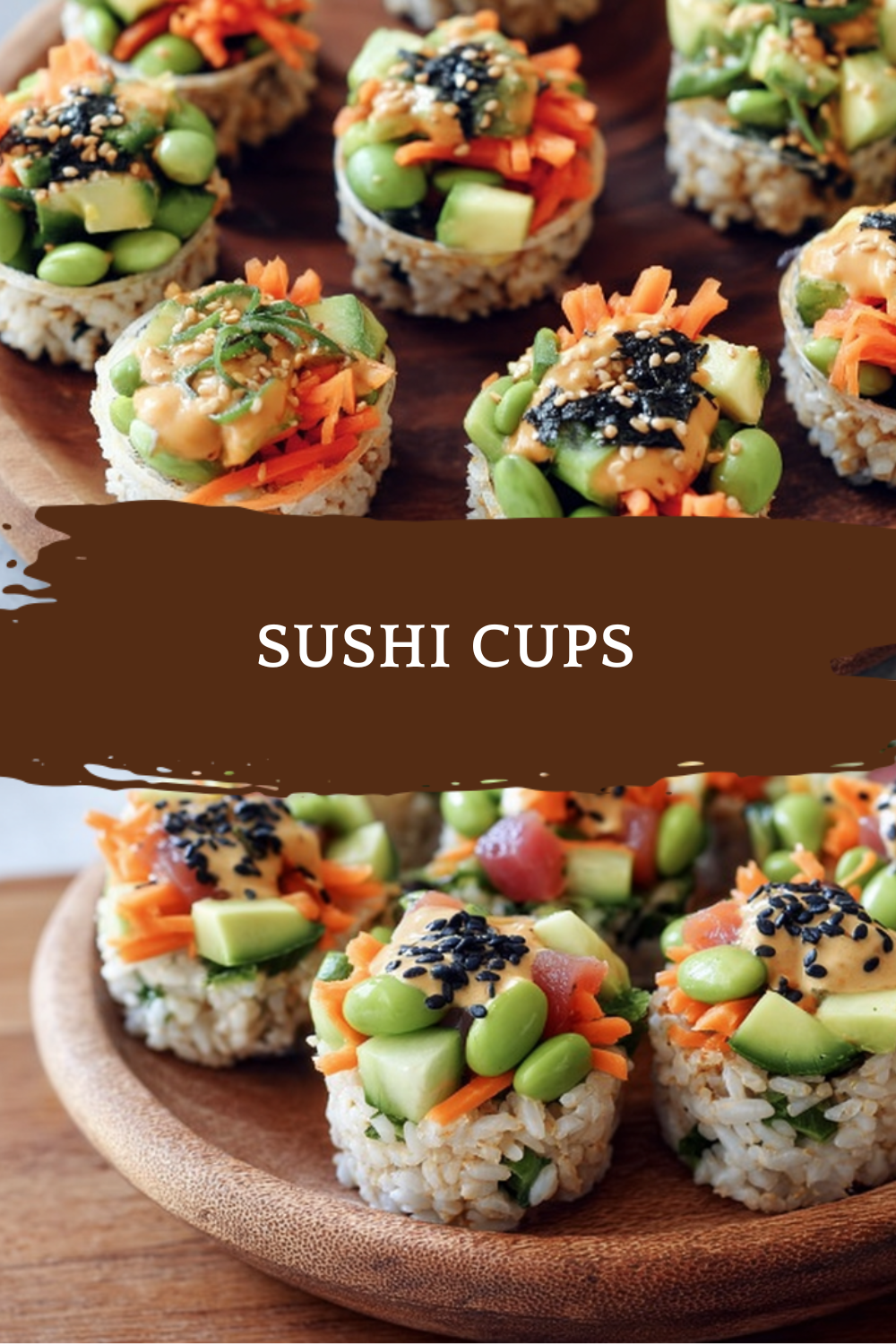
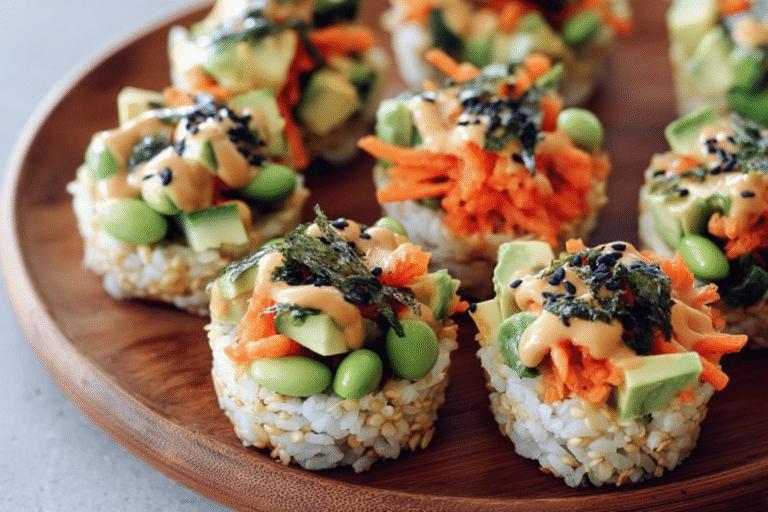
🍣 These baked salmon sushi cups capture the viral TikTok trend with all the delicious flavors of traditional sushi in a convenient, bite-sized format that’s perfect for entertaining
🥘 The combination of tender baked salmon, seasoned rice, and crispy nori creates an impressive appetizer that’s surprisingly easy to make at home
- Total Time: 35 minutes
- Yield: 12 servings
Ingredients
– 1 ½ pounds of skinless cubed salmon
– A pinch of sea salt
– 2 tablespoons of soy sauce or coconut aminos (for a gluten-free option)
– 2 tablespoons of mayonnaise
– 1 ½ cups of cooked sushi rice
– 1 teaspoon of rice vinegar
– 12 nori squares
– Mayonnaise (to taste)
– 1 tablespoon of sesame seeds
– ¼ cup of chopped green onions
Instructions
1-First, preheat the oven to 400°F and lightly grease a muffin tin to get things ready. Combine the salmon, sea salt, soy sauce or coconut aminos, and mayonnaise in a large bowl and mix well until everything blends smoothly. In another bowl, coat the cooked sushi rice with rice vinegar to give it that classic tangy touch.
2-Next, cut the nori sheets into squares that fit the muffin tin cavities, then place 2-3 tablespoons of the rice mixture into each nori square. Fold and press the nori into the tin to form the cups. Top each one with about 2 tablespoons of the salmon mixture and slide them into the oven.
3-Bake for 15 minutes or until the salmon is cooked through, then add garnishes like mayonnaise, sesame seeds, and chopped green onions. The sushi cups can be served right away or kept in an airtight container in the fridge for up to two days. If you’re into other easy fish dishes, try a similar setup with maple soy glazed salmon for a sweet variation.
Last Step:
Please leave a rating and comment letting us know how you liked this recipe! This helps our business to thrive and continue providing free, high-quality recipes for you.Notes
🍚 Use day-old sushi rice for the best texture – fresh rice can be too sticky and won’t hold its shape as well in the cups
🌿 For a gluten-free option, substitute coconut aminos for soy sauce and ensure your mayonnaise is certified gluten-free
🔥 Don’t overfill the muffin tin cups – leave some room for the salmon to expand slightly during baking for the best results
- Prep Time: 20 minutes
- Cook Time: 15 minutes
- Category: Appetizer
- Method: Baking
- Cuisine: Japanese-inspired/Asian
- Diet: Can be gluten-free with coconut aminos
Nutrition
- Serving Size: 1 sushi cup
- Calories: 129
- Sugar: 1g
- Sodium: 214mg
- Fat: 6g
- Saturated Fat: 1g
- Unsaturated Fat: 4g
- Trans Fat: 0g
- Carbohydrates: 5g
- Fiber: 0.5g
- Protein: 12g
- Cholesterol: 25mg