Why You’ll Love This Takoyaki
- Ease of preparation: This takoyaki recipe uses a wheat flour-based batter and a molded takoyaki pan, and the cooking cycle typically takes about 15 to 20 minutes. With a simple batter pour, quick filling add, and regular turning, home cooks can make octopus balls with steady results.
- Health benefits you can control: Takoyaki provides carbohydrates from the batter for energy, protein from minced or diced octopus, and fats from sauces and mayonnaise. By adjusting sauce and portion size, this dish can fit different eating styles.
- Versatility for real life: Fillings and toppings can be adjusted for what you have, including variations with cheese or spicy seasonings. You can also choose ingredient swaps for dietary needs without changing the core technique.
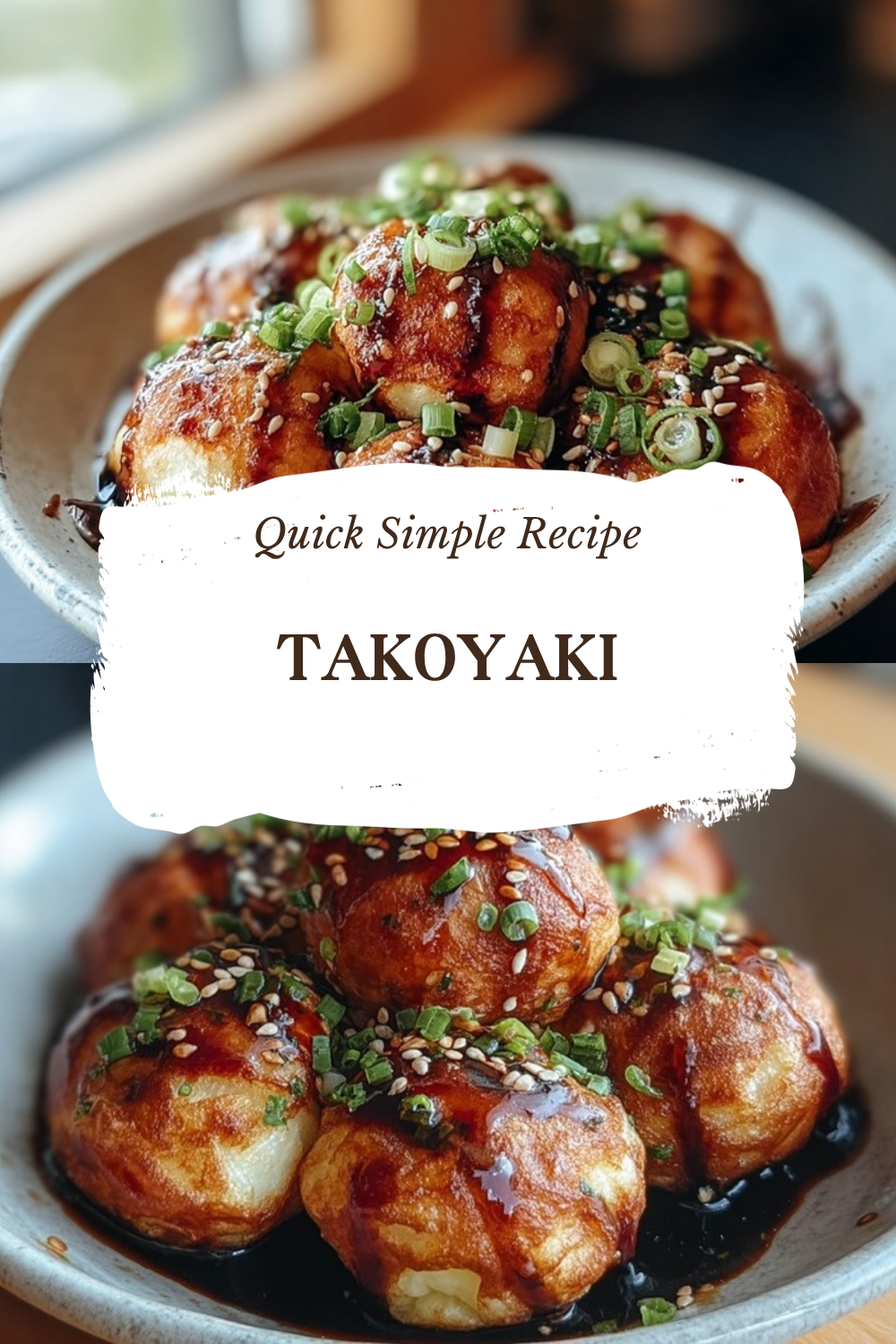
- Distinctive flavor and texture: Hot, round, crisp-edged octopus balls are brushed with takoyaki sauce, drizzled with mayonnaise, and finished with dried seaweed powder (aonori) and bonito flakes. The combo creates a signature savory, umami-forward bite.
Takoyaki is a traditional Japanese ball-shaped snack made by cooking batter in a special molded pan, then turning the balls with a pick for even browning.
For a deeper look at Japanese street-food style cooking, you can also compare flavors and sauces in this teriyaki salmon recipe.
When you make it at home, you get the fun hands-on process plus the classic Osaka street snack experience, built around toasted batter, tender octopus, and bright pickled ginger (beni shoga).
Jump to:
- Why You’ll Love This Takoyaki
- Essential Ingredients for Takoyaki
- How to Prepare the Perfect Takoyaki: Step-by-Step Guide
- Tools and setup
- Timing guide
- Dietary adjustments during cooking
- Dietary Substitutions to Customize Your Takoyaki
- Protein and Main Component Alternatives
- Vegetable, Sauce, and Seasoning Modifications
- Mastering Takoyaki: Advanced Tips and Variations
- Pro cooking techniques
- Flavor variations that still feel authentic
- Presentation tips
- Make-ahead options
- How to Store Takoyaki: Best Practices
- Refrigeration
- Freezing
- Reheating
- Meal prep considerations
- FAQs: Frequently Asked Questions About Takoyaki
- Takoyaki
- Ingredients
- Instructions
- Last Step:
- Notes
- Nutrition
- Did you make this recipe?
Essential Ingredients for Takoyaki
Takoyaki starts with a wheat flour-based batter and relies on a few key items for authentic flavor. The primary ingredients typically include minced or diced octopus, tempura scraps (tenkasu), pickled ginger (beni shoga), and green onion (negi). After cooking, the balls are brushed with takoyaki sauce, drizzled with mayonnaise, and topped with dried seaweed powder (aonori) and bonito flakes.
| Component | Main Ingredients | What It Adds |
|---|---|---|
| Batter | Wheat flour, eggs, dashi | Body, mild savory base, and browning |
| Fillings | Octopus, tenkasu, beni shoga, negi | Texture, crunch, tang, and aroma |
| Toppings | Takoyaki sauce, mayo, aonori, bonito flakes | Umami finish and classic street-food look |
Note on pans: Many cooks use cast iron pans for even heat. Options include gas-fueled, electric, or stovetop models, often with non-stick surfaces.
- Cooked octopus – 1 cup, minced or diced
- Tempura scraps (tenkasu) – 1/2 cup
- Pickled ginger (beni shoga) – 2 tbsp, finely chopped
- Green onion (negi) – 1/2 cup, chopped
- Wheat flour – 1 cup
- Eggs – 2 large
- Dashi (or dashi powder mixed with water) – 2 cups
- Salt – 1/4 tsp (optional, to taste)
- Takoyaki sauce – 1/3 cup (for brushing and drizzling)
- Mayonnaise – 1/4 cup (Japanese mayo preferred, for drizzling)
- Dried seaweed powder (aonori) – 2 tbsp
- Bonito flakes – 1/4 cup
- Neutral oil (for pan) – 1 to 2 tbsp
Special Dietary Options
- Vegan: Replace octopus with diced king oyster mushrooms or soy-based seafood, and use a vegan dashi or water plus vegan seasoning.
- Gluten-free: Use a 1:1 gluten-free flour blend, and choose gluten-free takoyaki sauce and mayonnaise if needed.
- Low-calorie: Reduce mayo and sauce amounts, and focus on toppings like green onion and pickled ginger for flavor.
If you want ingredient reference ideas, this external guide can help with sauce and batter specifics: Takoyaki recipe at Just One Cookbook.
How to Prepare the Perfect Takoyaki: Step-by-Step Guide
Takoyaki is a traditional Japanese ball-shaped snack made from a wheat flour-based batter cooked in a special molded pan. Originating in Osaka in 1935 by street vendor Tomekichi Endo, it evolved from earlier snacks and became popular across the Kansai region. Today it is found at street stalls, shops, supermarkets, and convenience stores. Making it at home follows the same core idea: pour, fill, cook, then turn until round and crisp.
Cooking typically takes 15 to 20 minutes. During that time, consistent heat and frequent turning are what build the signature shape. A cast iron takoyaki pan helps maintain temperature, but you can use gas-fueled, electric, or stovetop models as long as they heat evenly and allow easy turning.
Tools and setup
Before you start, set up your workspace so the turning step stays smooth. You will need the takoyaki pan, a ladle or measuring cup for pouring batter, and a pick or skewer for turning. Having fillings measured and ready prevents gaps between cooking batches.
- First Step: Preheat the takoyaki pan evenly. Heat the pan over medium to medium-high until molds are hot. Add a thin layer of neutral oil to each half-spherical mold so the batter releases easily.
- Second Step: Mix the batter. Whisk wheat flour, eggs, dashi, and salt until smooth. The batter should pour easily, similar to a thin pancake batter, so it flows into each half-spherical cavity.
- Third Step: Pour batter into the molds. Fill each half-spherical well with batter. Do not overfill at first; aim for a level that allows toppings to sit and then brown during cooking.
- Fourth Step: Add fillings in each mold. Place minced or diced octopus into the batter. Add a little tenkasu (tempura scraps), a small pinch of beni shoga (pickled ginger), and a bit of green onion (negi) into each section.
- Fifth Step: Top with more batter if needed. Pour a bit more batter to cover the fillings. This helps the balls hold together while you turn them for even browning.
- Sixth Step: Cook until the edges begin to set. Wait until the bottom and sides look lightly golden. This is the stage where turning starts to matter for the final round shape.
- Seventh Step: Turn the balls with a pick. Use a pick to lift and rotate each ball. Frequent turning helps them form a round shape and improves crispiness.
- Eighth Step: Continue cooking until evenly browned. Cook until the balls are deep golden and crisp on the outside. If your pan has thicker molds, extend time slightly, but keep the heat steady to avoid uneven browning.
- Ninth Step: Brush and top immediately. Remove the cooked balls and brush with takoyaki sauce, then drizzle mayonnaise on top. Finish with dried seaweed powder (aonori) and bonito flakes while hot so bonito flakes catch the heat.
- Final Step: Serve hot for the best texture. Plate the takoyaki right away, as the crispy outside can soften as it sits. For dietary needs, you can swap fillings or use vegan or gluten-free batter without changing the cooking steps.
When you make homemade takoyaki, the process matters as much as the ingredients. Small adjustments, like using slightly less mayo or adding extra green onion, can change the final flavor while keeping the classic structure.
Tip on heating: Preheating the pan and keeping consistent temperature helps batter set in a uniform way. If you notice pale color, raise heat slightly; if it browns too fast, lower heat and cook longer.
Timing guide
These timings are typical for a standard molded pan. Your exact results depend on stove strength and pan thickness.
- Initial pour and filling: 5 to 8 minutes for a full batch
- Cooking before first turn: about 3 to 4 minutes
- Turning and finishing browning: about 7 to 10 minutes
- Total cook time: about 15 to 20 minutes
Dietary adjustments during cooking
Takoyaki is flexible. If you want an easy takoyaki recipe for different needs, focus on substitutions that match batter consistency and cooking behavior. Plant-based or gluten-free batter should still be poured and turned at the same stages.

Dietary Substitutions to Customize Your Takoyaki
Takoyaki recipe variations work well because the technique stays consistent. You can change fillings and toppings while still cooking the batter in the molded takoyaki pan, turning with a pick, and finishing with classic sauce and seaweed powder.
Protein and Main Component Alternatives
- Octopus alternatives: Use diced king oyster mushrooms, cooked shrimp, or soy-based seafood if octopus is unavailable. For a spicy option, mix a small pinch of chili seasoning into the filling.
- Tempura scraps (tenkasu) swaps: If you cannot find tenkasu, use crushed, crunchy fried bits or gluten-free crunchy flakes. The goal is texture inside the ball.
- Pickled ginger (beni shoga) substitutes: Use finely chopped pickles or pickled radish if beni shoga is not accessible, keeping the tangy bite.
Vegetable, Sauce, and Seasoning Modifications
- Green onion (negi): Swap with chives or scallion greens for a similar aroma.
- Takoyaki sauce: If you cannot buy takoyaki sauce, mix a savory sweet sauce using soy sauce, sugar, and a little Worcestershire-style flavor. Taste as you go.
- Mayonnaise: Choose regular or Japanese mayo. For a lighter version, use less mayo or a lower-fat option.
- Aonori and bonito flakes: For vegetarian style, replace bonito flakes with toasted sesame or additional seaweed, while keeping the topping aroma.
- Variation ideas: Try fillings like cheese or spicy seasonings, then keep the same turning and crisping steps.
Some people ask whether octopus is a good choice for diet-conscious eating. For broader nutrition and health context, you can read: health benefits of octopus on WebMD.
Mastering Takoyaki: Advanced Tips and Variations
Once you understand how to make takoyaki, small improvements can raise quality. Advanced takoyaki technique focuses on pan temperature, batter thickness, and how you handle turning so each ball becomes evenly browned and round.
Pro cooking techniques
- Preheat for full coverage: Heat the pan until the molds are ready, not just the center. Cast iron pans often hold stable heat, helping consistent browning.
- Use frequent turning: Turning with a pick supports round shape and crispiness. If you wait too long, the exterior may set before the center cooks through.
- Watch batter flow: Batter should fill molds without trapping air. If batter feels thick, add a small splash of dashi to loosen.
- Keep oil consistent: Add a little oil between batches if the surface starts to look dry.
Flavor variations that still feel authentic
Takoyaki variations often include new fillings rather than changing the core method. Common options include cheese or spicy seasonings, which pair well with the savory takoyaki sauce and seaweed toppings.
| Variation | What to change | Best topping pairing |
|---|---|---|
| Spicy octopus balls | Add chili powder or spicy seasoning to the filling | Extra mayo drizzle and aonori |
| Cheese takoyaki | Use small cubes of cheese with octopus or in place of part of it | Classic takoyaki sauce plus bonito flakes |
| Quick student-friendly batch | Use pre-cooked octopus and pre-chopped green onion | Keep sauce and seaweed generous |
Presentation tips
For a street-stall look, arrange balls in a small cluster so sauce and toppings land evenly. Serve on warm plates when possible, then add aonori and bonito flakes at the last second for the classic aroma.
If you enjoy Japanese-inspired sauce flavors, you may also like General Tso chicken for another example of how sauce affects the final bite.
Make-ahead options
- Prep fillings ahead: Chop green onion and measure tenkasu, beni shoga, and octopus earlier in the day.
- Mix batter in advance: Store batter covered in the refrigerator for a short time, then stir again before pouring.
- Cook in batches: Because takoyaki is best hot, make one batch, plate, top, then repeat.
How to Store Takoyaki: Best Practices
Takoyaki is best eaten immediately because the outside texture is crisp and the toppings are fresh. However, you can store homemade takoyaki safely and reheat it for later meals.
Refrigeration
- Cool cooked balls before storing.
- Place in an airtight container.
- Store in the refrigerator for up to 2 days for best quality.
Freezing
- Freeze balls on a tray first so they do not stick together.
- Once frozen, transfer to a freezer bag or container.
- For best texture, reheat within 1 month.
Reheating
- Best method: Reheat in a skillet or oven to restore crispness.
- Avoid microwaving if you want the crust to stay crisp.
- Add toppings (aonori, bonito flakes) after reheating for best flavor.
Meal prep considerations
If you are planning for busy parents or working professionals, cook and freeze plain balls, then top right before serving. This keeps the takoyaki pan results from turning soggy and helps maintain the classic flavor experience.
FAQs: Frequently Asked Questions About Takoyaki
Print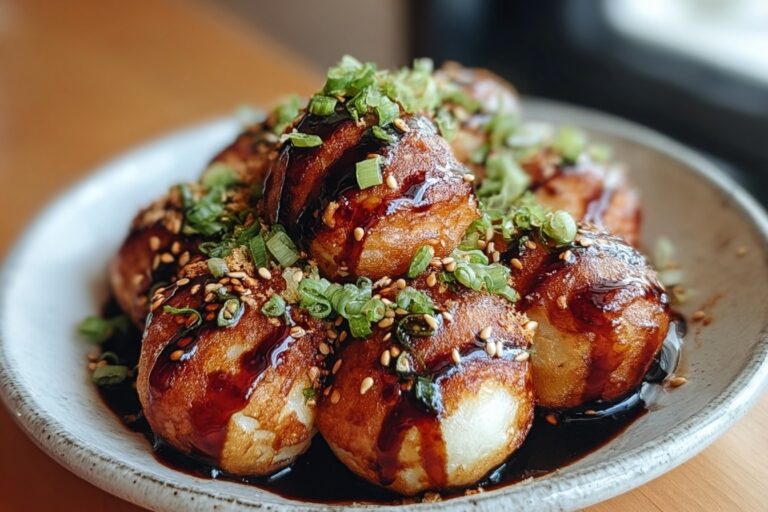
Takoyaki
🐙 Crispy golden takoyaki balls with tender octopus inside, offering an authentic Osaka street food experience that’s fun and addictive for all ages.
🥢 Easy to master at home with a takoyaki pan, perfect for parties, snacks, or introducing Japanese flavors – customizable and always a crowd-pleaser!
- Total Time: 55 minutes
- Yield: 24-30 balls
Ingredients
– 1 cup cooked octopus, minced or diced
– 1/2 cup tempura scraps (tenkasu)
– 2 tbsp pickled ginger (beni shoga), finely chopped
– 1/2 cup green onion (negi), chopped
– 1 cup wheat flour
– 2 large eggs
– 2 cups dashi (or dashi powder mixed with water)
– 1/4 tsp salt (optional, to taste)
– 1/3 cup takoyaki sauce (for brushing and drizzling)
– 1/4 cup mayonnaise (Japanese mayo preferred, for drizzling)
– 2 tbsp dried seaweed powder (aonori)
– 1/4 cup bonito flakes
– 1 to 2 tbsp neutral oil (for pan)
Instructions
1-First Step: Preheat the takoyaki pan evenly. Heat the pan over medium to medium-high until molds are hot. Add a thin layer of neutral oil to each half-spherical mold so the batter releases easily.
2-Second Step: Mix the batter. Whisk wheat flour, eggs, dashi, and salt until smooth. The batter should pour easily, similar to a thin pancake batter, so it flows into each half-spherical cavity.
3-Third Step: Pour batter into the molds. Fill each half-spherical well with batter. Do not overfill at first; aim for a level that allows toppings to sit and then brown during cooking.
4-Fourth Step: Add fillings in each mold. Place minced or diced octopus into the batter. Add a little tenkasu (tempura scraps), a small pinch of beni shoga (pickled ginger), and a bit of green onion (negi) into each section.
5-Fifth Step: Top with more batter if needed. Pour a bit more batter to cover the fillings. This helps the balls hold together while you turn them for even browning.
6-Sixth Step: Cook until the edges begin to set. Wait until the bottom and sides look lightly golden. This is the stage where turning starts to matter for the final round shape.
7-Seventh Step: Turn the balls with a pick. Use a pick to lift and rotate each ball. Frequent turning helps them form a round shape and improves crispiness.
8-Eighth Step: Continue cooking until evenly browned. Cook until the balls are deep golden and crisp on the outside. If your pan has thicker molds, extend time slightly, but keep the heat steady to avoid uneven browning.
9-Ninth Step: Brush and top immediately. Remove the cooked balls and brush with takoyaki sauce, then drizzle mayonnaise on top. Finish with dried seaweed powder (aonori) and bonito flakes while hot so bonito flakes catch the heat.
10-Final Step: Serve hot for the best texture. Plate the takoyaki right away, as the crispy outside can soften as it sits. For dietary needs, you can swap fillings or use vegan or gluten-free batter without changing the cooking steps.
Last Step:
Please leave a rating and comment letting us know how you liked this recipe! This helps our business to thrive and continue providing free, high-quality recipes for you.Notes
🔥 Preheat and oil the takoyaki pan well for easy release and even crisping.
🔄 Turn the balls frequently with a skewer for that perfect round shape and texture.
🎨 Customize fillings with cheese, bacon, or corn for fun variations everyone loves.
- Prep Time: 20 minutes
- Batter Resting Time: 15 minutes
- Cook Time: 20 minutes
- Category: Snacks
- Method: Takoyaki Pan
- Cuisine: Japanese
Nutrition
- Serving Size: 6 balls
- Calories: 320 kcal
- Sugar: 3 g
- Sodium: 650 mg
- Fat: 12 g
- Saturated Fat: 2 g
- Unsaturated Fat: 8 g
- Trans Fat: 0 g
- Carbohydrates: 40 g
- Fiber: 2 g
- Protein: 12 g
- Cholesterol: 85 mg