Why You’ll Love This Thai Basil Pesto
- Ease of preparation: This Thai Basil Pesto comes together in about 15 minutes, with simple steps like washing, blending, tasting, and storing.
- Health benefits: Fresh thai basil brings vitamin-rich herb goodness, and the pesto delivers healthy fats from nuts. Plus, because it contains no cheese or dairy, it fits many diet styles. (For more on basil, see benefits of basil.)
- Versatility: Use this pesto recipe as a sauce, spread, marinade, or stir-in. It is naturally vegan, and you can adjust salt and spice to match your meal needs.
- Distinctive flavor: Thai basil pesto tastes bright, aromatic, and lightly spicy, with sweet anise-like notes and zesty lime. It is the kind of basil pesto that makes noodles, rice bowls, and sandwiches feel special fast.
Quick idea: Toss a few spoonfuls of Thai basil pesto with hot noodles and finish with extra lime for an easy, weeknight meal.
Jump to:
- Why You’ll Love This Thai Basil Pesto
- Essential Ingredients for Thai Basil Pesto
- Ingredients you will need
- Special dietary options
- How to Prepare the Perfect Thai Basil Pesto: Step-by-Step Guide
- Step-by-step directions
- Timing and how to make it your own
- Ways to use it right away
- Dietary Substitutions to Customize Your Thai Basil Pesto
- Protein and main component alternatives
- Vegetable, sauce, and seasoning modifications
- Mastering Thai Basil Pesto: Advanced Tips and Variations
- Pro cooking techniques
- Flavor variations to try
- Presentation and serving ideas
- Make-ahead options
- How to Store Thai Basil Pesto: Best Practices
- Refrigeration
- Freezing
- Reheating and using after storage
- FAQs: Frequently Asked Questions About Thai Basil Pesto
- What’s the difference between Thai basil and regular basil?
- Can I substitute Italian basil for Thai basil in pesto?
- Is Thai basil pesto vegan?
- How do you store Thai basil pesto?
- What are serving ideas for Thai basil pesto?
- Thai Basil Pesto
- Ingredients
- Instructions
- Last Step:
- Notes
- Nutrition
- Did you make this recipe?
Essential Ingredients for Thai Basil Pesto
Before you start, gather everything so blending feels effortless. Below are the exact ingredients and measurements for this Thai Basil Pesto, plus a few swap notes for different needs.
Ingredients you will need
- 2 cups packed fresh Thai basil leaves, washed and dried
- 2 tablespoons roasted unsalted cashew nuts
- 2 tablespoons roasted unsalted peanuts
- 2 crushed garlic cloves
- 1/2 teaspoon chilli flakes (adjust for spiciness)
- 60 ml mild flavored olive oil or sesame oil
- 1/2 teaspoon sea salt or 1 teaspoon soya sauce or tamari
- 1 teaspoon rice wine vinegar
- 1 teaspoon caster sugar
- Juice from half a lime, to taste
Special dietary options
- Vegan: This Thai basil pesto contains no cheese or dairy, so it is already vegan. Use soya sauce or tamari if you prefer to replace sea salt.
- Gluten-free: Choose tamari (or a gluten-free soya sauce) to keep the pesto recipe gluten-free.
- Low-calorie: The pesto is nut-forward, so to keep calories lighter, use smaller portions and add more pasta water or olive oil only as needed for texture.
Nutrition snapshot (based on total pesto amount): 794 kcal, with 79 g fat and 11 g protein. If you portion it well, it can still fit into a balanced diet.
How to Prepare the Perfect Thai Basil Pesto: Step-by-Step Guide
If you have ever tried a basil pesto and wished it tasted more fresh and lively, this Thai Basil Pesto recipe is for you. The key is using fragrant Thai basil leaves and blending until you reach your preferred texture. You also get a balanced mix of salty, sweet, tangy, and gentle heat.
Step-by-step directions
Preparation time: Total time required is 15 minutes.
- First Step: Wash and dry your Thai basil leaves. Pick them from the stems so the pesto feels tender and evenly blended.
- Second Step: Place the Thai basil leaves into a mini food processor bowl.
- Third Step: Add the rest of the ingredients: roasted unsalted cashew nuts, roasted unsalted peanuts, crushed garlic cloves, chilli flakes, mild flavored olive oil or sesame oil, sea salt (or soya sauce or tamari), rice wine vinegar, caster sugar, and lime juice.
- Fourth Step: Blend until a pesto-like paste forms. Blend longer for a smoother texture, or blend less for a chunkier basil pesto feel.
- Fifth Step: Scrape the sides of the bowl during blending. This helps everything mix evenly, especially the oils and seasonings.
- Sixth Step: Taste and adjust seasoning or lime juice if desired. If you want a bolder Thai basil pesto flavor, add a little more lime; if you want it saltier, adjust with sea salt or a splash of soya sauce.
- Final Step: Spoon pesto into a jar or container. Drizzle extra oil on top to prevent browning, then seal tightly.
Timing and how to make it your own
This easy Thai basil pesto recipe is perfect for busy parents and students because it does not require cooking. You can blend it while water boils for pasta, or while rice finishes steaming for a quick bowl meal. Most of the work is simply prepping herbs and adding ingredients to the processor.
Also, the texture is fully adjustable. Want a smooth Thai basil pesto that coats noodles? Blend longer. Prefer a rustic basil pesto style with small bites of nuts and garlic? Blend for less time. Either way, the aroma should be strong and fresh.
Flavor tip: Start with the lime juice “to taste.” Thai basil pesto changes quickly once citrus hits, so add gradually, then taste again.
Ways to use it right away
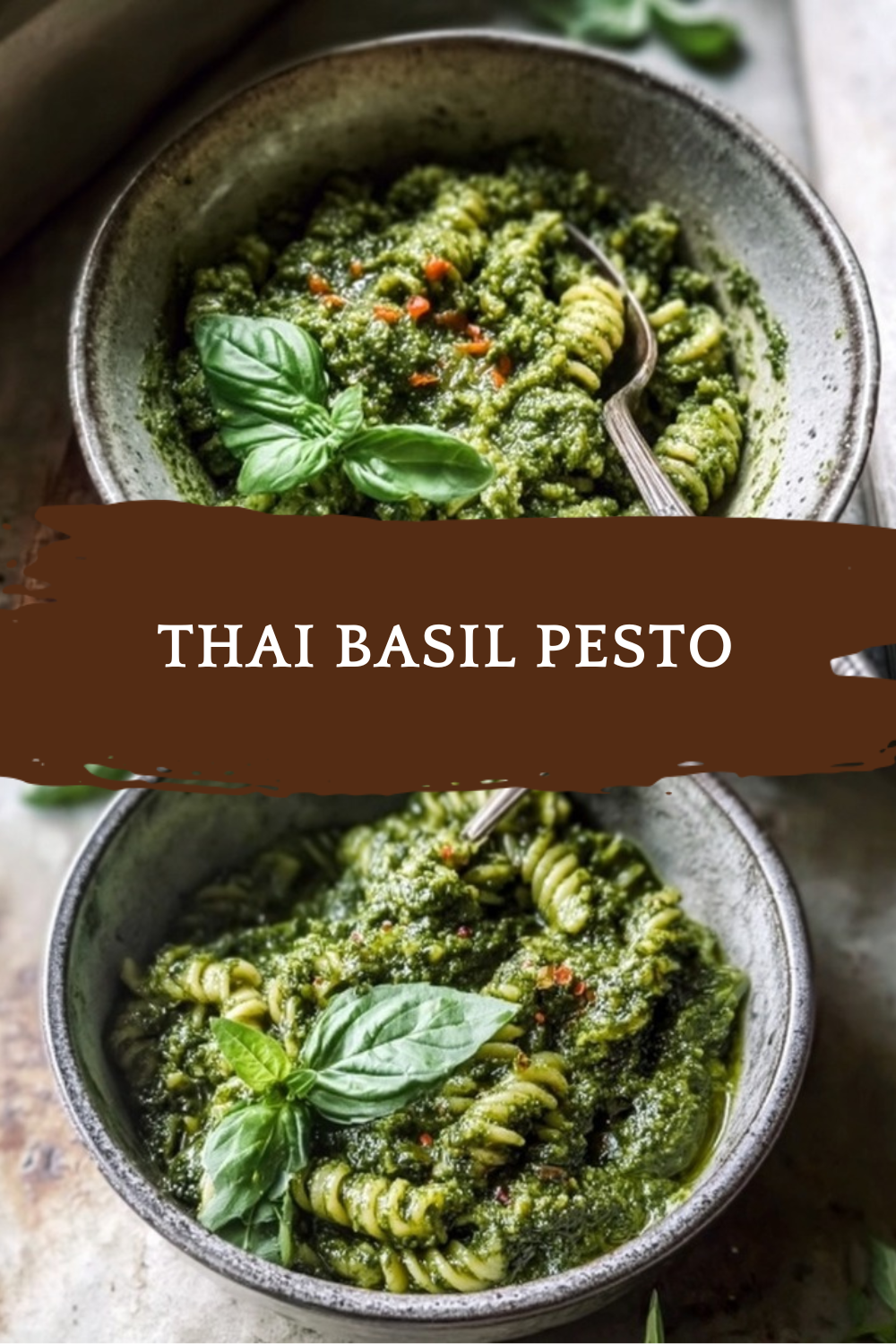
Once your Thai basil pesto is blended, it becomes a fast flavor upgrade. Try it with hot noodles, rice bowls, or roasted vegetables. You can also spread it on toast, fold it into grain salads, or use it as a zippy marinade.
- Quick noodles: Stir 2 to 3 tablespoons into hot noodles until glossy.
- Roasted veggies: Toss after roasting so the aroma stays bright.
- Sandwich flavor: Spread like a condiment, then top with cucumbers and chili flakes.
- Protein boost: Use as a sauce for grilled chicken or fish (or tofu for vegan meals).
If you like Thai-inspired flavors for the main event, you may also enjoy pairing this pesto with a chicken-style recipe on the site: try another recipe idea from USA Flavor Hub. (You can swap the pesto into any meal where you would normally use a fresh herb sauce.)

Dietary Substitutions to Customize Your Thai Basil Pesto
One of the best things about an authentic Thai basil pesto recipe is that it adapts well. Small swaps can help when you cannot find Thai basil, nuts, or specific sauces. The goal is to keep the pesto tasting balanced: aromatic herbs, savory depth, a touch of sweetness, and lime brightness.
Protein and main component alternatives
- Nuts: If you do not have cashews, use more peanuts, or vice versa. Cashews add creaminess, while peanuts bring a classic roasted flavor. Either or both can be used as preferred.
- No nuts: If you need a nut-free option, you can use toasted sunflower seeds for a similar texture. Add extra olive oil or sesame oil to help the blend become smooth.
- Garlic level: Reduce crushed garlic cloves for a milder pesto recipe, or add a little extra if you love bold flavor.
Vegetable, sauce, and seasoning modifications
- Thai basil vs. regular basil: You can substitute Italian basil, but the taste will change. Thai basil has a sweet licorice-like note with a gentle spicy kick.
- Oil swap: Olive oil or mild oils like canola and grapeseed can work. Sesame oil adds an extra toasted aroma, so start with the amount you prefer.
- Salt and umami: Replace sea salt with soya sauce or tamari if that fits your pantry. Tamari is often the easier choice for gluten-free diets.
- Heat control: Adjust chilli flakes for spiciness. If you want less heat, start with half the amount, blend, then taste.
For another angle on ingredients and use, you can also check this Thai basil pesto guide while you plan your next batch.
Mastering Thai Basil Pesto: Advanced Tips and Variations
Once you nail the basic Thai basil pesto recipe, you can make it feel like your own. These advanced tips help with texture, flavor depth, and make-ahead convenience. Think of it like a sauce you can remix, not a “one and done” blender paste.
Pro cooking techniques
- Use fresh Thai basil: The herb’s aroma is the star. Fresh leaves create the best flavor, especially when you are making authentic thai basil pesto.
- Choose your texture: For a silky pesto, blend longer and scrape the sides often. For a chunkier basil pesto, blend briefly and stir once halfway.
- Balance the flavor: If it tastes too sharp, add a tiny pinch more caster sugar. If it tastes flat, add a squeeze of lime or a small splash more rice wine vinegar.
Flavor variations to try
| Variation idea | What to change | What it tastes like |
|---|---|---|
| Extra citrus | Add a little more lime juice | Brighter, more tangy Thai basil pesto |
| More heat | Increase chilli flakes | Spicier, bold Southeast Asian flavor |
| Nutty richness | Use more roasted peanuts or cashews | Thicker, creamier basil pesto |
| Savory depth | Swap sea salt for tamari | More umami and a deeper savory finish |
Presentation and serving ideas
Thai basil pesto looks great when you serve it as a glossy dollop. Try swirling it into a bowl of warm noodles, topping roasted vegetables, or spreading it on toast with sliced tomatoes.
- Busy meal hack: Stir a spoonful into plain Greek yogurt alternatives for a quick sauce (keep it vegan if needed).
- New weeknight favorite: Use as a stir-in sauce for rice or noodle bowls.
- Appetizer option: Spread on crackers with cucumber slices.
Make-ahead options
This pesto recipe is ideal for meal prep. Blend once, store, and use throughout the week. It also freezes well, so you can keep it on hand for quick lunches or last-minute dinners.
If you enjoy planning desserts and snacks too, you might like another simple sweet from the site such as banana oat chocolate chip cookies for a fun side treat.
How to Store Thai Basil Pesto: Best Practices
Proper storage helps keep your Thai basil pesto tasting fresh and vibrant. Since it is herb-based, air exposure can cause browning. Luckily, a simple oil layer on top makes a big difference.
Refrigeration
- Spoon pesto into a clean, airtight jar or container.
- Drizzle extra oil on top before sealing.
- Refrigerate for up to one week.
Freezing
- Freeze for up to four months for longer storage.
- If you want easy portions, freeze in small batches so you can grab what you need.
Reheating and using after storage
- There is no real “reheating” needed because pesto is a sauce.
- Thaw in the fridge overnight if frozen.
- Stir well before using. If it looks slightly darker, it can still be safe as long as there is no off smell or mold.
Storage tip: Avoid leaving pesto uncovered in the fridge. The oil layer helps block air and reduce browning.
FAQs: Frequently Asked Questions About Thai Basil Pesto
What’s the difference between Thai basil and regular basil?
Can I substitute Italian basil for Thai basil in pesto?
Is Thai basil pesto vegan?
How do you store Thai basil pesto?
What are serving ideas for Thai basil pesto?
Thai Basil Pesto
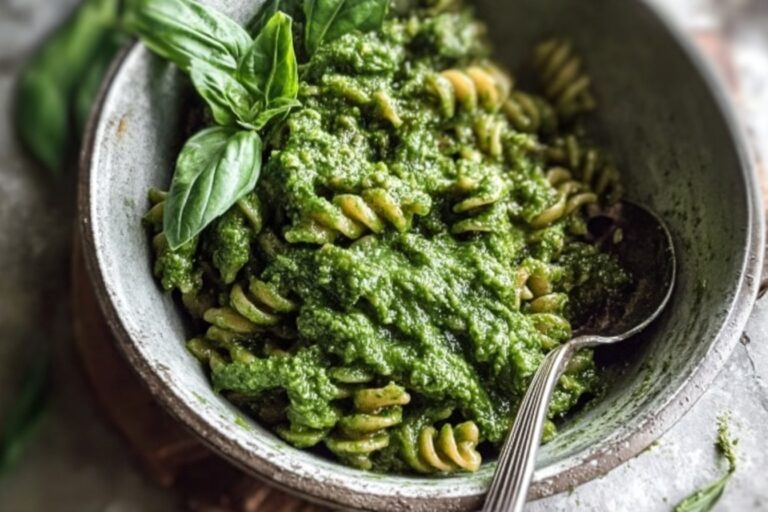
🌿 Zesty Thai basil pesto blending roasted nuts, chili flakes, and lime – vegan, dairy-free explosion of authentic Southeast Asian flavors in minutes!
🥜 Versatile no-cook sauce for noodles, rice, grilled meats, or dips – healthier pesto twist packed with antioxidants and bold heat!
- Total Time: 15 minutes
- Yield: 8 servings
Ingredients
– 2 cups packed fresh Thai basil leaves, washed and dried
– 2 tablespoons roasted unsalted cashew nuts
– 2 tablespoons roasted unsalted peanuts
– 2 crushed garlic cloves
– 1/2 teaspoon chilli flakes (adjust for spiciness)
– 60 ml mild flavored olive oil or sesame oil
– 1/2 teaspoon sea salt or 1 teaspoon soya sauce or tamari
– 1 teaspoon rice wine vinegar
– 1 teaspoon caster sugar
– Juice from half a lime, to taste
Instructions
1-First Step: Wash and dry your Thai basil leaves. Pick them from the stems so the pesto feels tender and evenly blended.
2-Second Step: Place the Thai basil leaves into a mini food processor bowl.
3-Third Step: Add the rest of the ingredients: roasted unsalted cashew nuts, roasted unsalted peanuts, crushed garlic cloves, chilli flakes, mild flavored olive oil or sesame oil, sea salt (or soya sauce or tamari), rice wine vinegar, caster sugar, and lime juice.
4-Fourth Step: Blend until a pesto-like paste forms. Blend longer for a smoother texture, or blend less for a chunkier basil pesto feel.
5-Fifth Step: Scrape the sides of the bowl during blending. This helps everything mix evenly, especially the oils and seasonings.
6-Sixth Step: Taste and adjust seasoning or lime juice if desired. If you want a bolder Thai basil pesto flavor, add a little more lime; if you want it saltier, adjust with sea salt or a splash of soya sauce.
7-Final Step: Spoon pesto into a jar or container. Drizzle extra oil on top to prevent browning, then seal tightly.
Last Step:
Please leave a rating and comment letting us know how you liked this recipe! This helps our business to thrive and continue providing free, high-quality recipes for you.Notes
🌿 Fresh Thai basil is essential for its unique anise-licorice flavor; Italian basil alters taste noticeably.
🥜 Roast nuts yourself for fresher, nuttier depth – cashews creamify, peanuts add authentic crunch.
🍋 Drizzle oil over stored pesto to seal out air, preventing browning and extending freshness.
- Prep Time: 15 minutes
- Category: Sauces & Condiments
- Method: Blended
- Cuisine: Thai
- Diet: Vegan, Gluten-Free
Nutrition
- Serving Size: 2 tablespoons
- Calories: 99 kcal
- Sugar: 1g
- Sodium: 149mg
- Fat: 10g
- Saturated Fat: 1g
- Unsaturated Fat: 9g
- Trans Fat: 0g
- Carbohydrates: 2g
- Fiber: 0.5g
- Protein: 1g
- Cholesterol: 0mg