
Why You’ll Love This Toffee
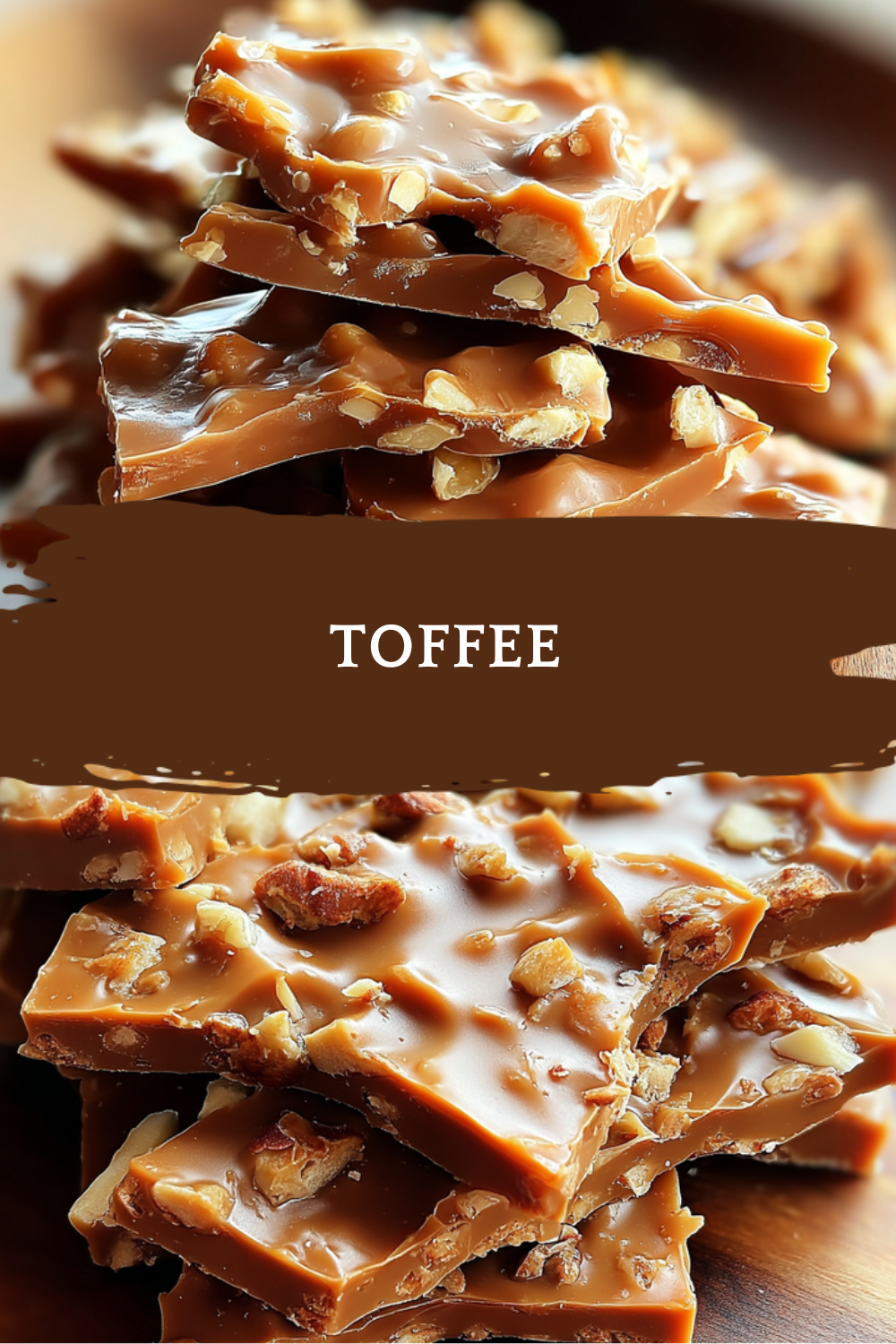
Toffee stands out as a simple yet irresistible treat that brings joy to home cooks and baking enthusiasts alike. This recipe is incredibly simple and quick to make, requiring just a few ingredients and minimal cooking time, making it perfect for beginners and busy parents. Packed with wholesome ingredients, it offers nutritional advantages such as being rich in antioxidants and healthier fats, promoting wellness without compromising on taste. Its high adaptability means it accommodates various dietary needs, including vegan, gluten-free, and low-calorie options, so everyone from students to seniors can enjoy it. The unique combination of caramelized richness from sugar and butter with a subtle hint of natural vanilla creates an unforgettable flavor that appeals to food enthusiasts.
Beyond its ease, toffee’s appeal lies in its versatility for daily snacking or special occasions like family gatherings. For instance, if you’re a working professional looking for a quick energy boost, this recipe fits seamlessly into a packed schedule. Baking enthusiasts will appreciate the creative freedom to experiment while reaping the benefits of a treat high in sugar, fat, and calories, which makes it a decadent choice for occasional indulgence. To make it even more accessible, consider linking it to other simple recipes on the site, such as those for no-bake energy bites, which offer similar easy preparation methods.
Jump to:
- Why You’ll Love This Toffee
- Essential Ingredients for Toffee
- How to Prepare the Perfect Toffee: Step-by-Step Guide
- Dietary Substitutions to Customize Your Toffee
- Mastering Toffee: Advanced Tips and Variations
- How to Store Toffee: Best Practices
- FAQs: Frequently Asked Questions About Toffee
- What is toffee and how is it made?
- How can I store toffee to keep it fresh longer?
- Can toffee be made at home without special candy equipment?
- What’s the difference between toffee and caramel?
- Is toffee suitable for people with dietary restrictions?
- Toffee
- Ingredients
- Instructions
- Last Step:
- Notes
- Nutrition
- Did you make this recipe?
Essential Ingredients for Toffee
Gathering the right ingredients is key to making perfect toffee. Below is a comprehensive list based on a classic recipe that ensures delicious results every time. Remember, precise measurements help maintain consistency and flavor balance, so measure accurately before starting.
- 1 cup (226 grams) butter
- 2 cups (400 grams) granulated sugar
- 1 cup (140 grams) almonds
- 1 teaspoon vanilla extract (optional, for added flavor)
- A pinch of salt (optional, to enhance taste)
This structured list includes every item needed, drawing from the core components that define toffee. For special dietary options, you can adapt as follows: use coconut oil or vegan butter substitutes instead of butter for vegan versions. All ingredients are naturally gluten-free, making it safe for gluten-sensitive diets. To reduce calorie content, swap granulated sugar with a natural low-calorie sweetener like erythritol, which keeps the sweetness intact while cutting back on calories.
How to Prepare the Perfect Toffee: Step-by-Step Guide
Creating toffee at home is rewarding and straightforward with the right steps. The process begins by melting the butter and sugar together over medium heat, cooking until it reaches around 295°F (146°C), known as the hard crack stage, for that signature crunch. Using a candy thermometer ensures accuracy, preventing overcooking or undercooking, and the entire preparation generally takes 20 to 40 minutes, including cooling time. This method makes it accessible even for busy parents or students who want a quick homemade treat.
First, gather all ingredients with precise measurements and line a baking sheet with parchment paper for easy pouring. Melt the unsalted butter in a heavy-bottomed saucepan over medium heat, then add sugar and stir until combined. Gradually incorporate any additional liquids like water, and bring the mixture to a boil without stirring, monitoring the temperature closely. Once it hits the target temperature, stir in almonds and any optional flavors like vanilla extract before pouring the mixture onto the prepared sheet and spreading it evenly. Allow it to cool and harden, and for faster setting, chill it quickly in the fridge.
For dietary adaptations, consider substituting vegan butter early in the process to keep things simple. This approach not only aligns with the recipe’s nutritional profile high in sugar, fat, and calories but also makes it adaptable for diet-conscious individuals. If you’re new to candy making, check out candy making for beginners to refine your skills further, as it offers practical tips that complement this recipe.

Dietary Substitutions to Customize Your Toffee
Customizing toffee allows it to fit various lifestyles, from busy professionals to newlyweds exploring healthy eating. Start by replacing butter with plant-based oils like coconut or almond oil for a vegan-friendly version, which maintains the creamy base without dairy. Use erythritol or stevia instead of sugar to lower calorie intake, ensuring the sweetness remains while supporting low-calorie goals.
For added variety, incorporate vegetables, sauces, or seasonings in creative ways. Add a pinch of sea salt or smoked paprika to bring new flavors, or mix in natural extracts like almond or coffee to enhance aroma. Opt for dairy-free vanilla if needed, and these changes preserve the toffee’s signature taste while adapting to seasonal ingredients or preferences. This flexibility highlights toffee’s high nutritional content in fats and sugars, making it a treat that can be enjoyed responsibly.
Mastering Toffee: Advanced Tips and Variations
Taking your toffee skills further involves some pro techniques for better results. Use a heavy-bottomed pan to distribute heat evenly and avoid burning the sugar, which helps achieve that perfect hard crack stage around 295°F. Flavor variations can include adding chopped nuts, sea salt flakes, or a splash of bourbon, turning a basic recipe into something unique for food enthusiasts or travelers seeking global twists.
Presentation matters too, so break the toffee into uniform pieces and arrange them on plates with simple garnishes like mint leaves. For make-ahead options, prepare batches in advance and store properly for fresh flavors anytime, ideal for seniors or working professionals. Explore English toffee ingredients for more ideas on enhancing your recipe, as it provides detailed insights that align with these tips and variations.
| Tip Category | Description |
|---|---|
| Cooking Technique | Use a thermometer for precise temperature control. |
| Flavor Ideas | Experiment with nuts or extracts for custom tastes. |
| Storage Advice | Keep in airtight containers to maintain freshness. |
How to Store Toffee: Best Practices
Proper storage keeps your toffee fresh and tasty for longer. Store it in an airtight container at room temperature or in the fridge for up to two weeks to hold its texture. Freezing works well for long-term needs, so wrap it tightly in parchment and aluminum foil before freezing, then thaw at room temperature when ready.
Avoid reheating directly, as it can affect the quality; instead, let it soften naturally. For meal prep, portion into small containers to make serving easy, which is helpful for busy parents or students. Remember, toffee’s high fat and sugar content means it stays enjoyable if stored correctly, preserving its rich flavor profile.
FAQs: Frequently Asked Questions About Toffee
What is toffee and how is it made?
How can I store toffee to keep it fresh longer?
Can toffee be made at home without special candy equipment?
What’s the difference between toffee and caramel?
Is toffee suitable for people with dietary restrictions?
Toffee
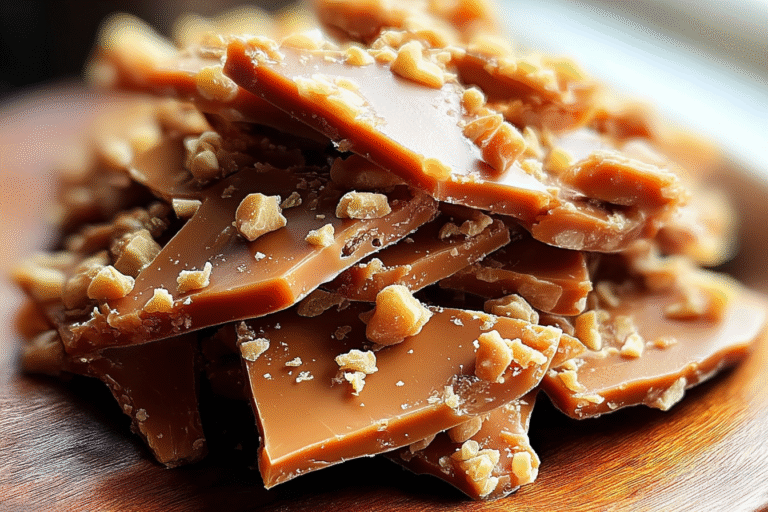
🍯 Create buttery, crunchy homemade toffee that melts in your mouth with this foolproof recipe
🌰 Master the art of candy making with simple ingredients and professional techniques for perfect results every time
- Total Time: 55 minutes
- Yield: About 2 pounds of toffee
Ingredients
– 1 cup (226 grams) butter
– 2 cups (400 grams) granulated sugar
– 1 cup (140 grams) almonds
– 1 teaspoon vanilla extract (optional, for added flavor)
– A pinch of salt (optional, to enhance taste)
Instructions
1-Creating toffee at home is rewarding and straightforward with the right steps. The process begins by melting the butter and sugar together over medium heat, cooking until it reaches around 295°F (146°C), known as the hard crack stage, for that signature crunch. Using a candy thermometer ensures accuracy, preventing overcooking or undercooking, and the entire preparation generally takes 20 to 40 minutes, including cooling time. This method makes it accessible even for busy parents or students who want a quick homemade treat.
2-First, gather all ingredients with precise measurements and line a baking sheet with parchment paper for easy pouring. Melt the unsalted butter in a heavy-bottomed saucepan over medium heat, then add sugar and stir until combined. Gradually incorporate any additional liquids like water, and bring the mixture to a boil without stirring, monitoring the temperature closely. Once it hits the target temperature, stir in almonds and any optional flavors like vanilla extract before pouring the mixture onto the prepared sheet and spreading it evenly. Allow it to cool and harden, and for faster setting, chill it quickly in the fridge.
Last Step:
Please leave a rating and comment letting us know how you liked this recipe! This helps our business to thrive and continue providing free, high-quality recipes for you.Notes
🌡️ Always use a candy thermometer for accurate temperature readings – even a few degrees can make the difference between perfect toffee and burnt candy
🥛 Stir constantly during cooking to prevent the sugar from burning and ensure even heat distribution for smooth, consistent toffee
❄️ For a faster setting time, place the baking sheet in the refrigerator for 10-15 minutes, but be careful not to let it get too cold as it may cause cracking
- Prep Time: 10 minutes
- Cooling Time: 30 minutes
- Cook Time: 15 minutes
- Category: Dessert
- Method: Stovetop Candy Making
- Cuisine: American
- Diet: Vegetarian
Nutrition
- Serving Size: 1 ounce (28 grams)
- Calories: 150
- Sugar: 18g
- Sodium: 45mg
- Fat: 8g
- Saturated Fat: 5g
- Unsaturated Fat: 3g
- Trans Fat: 0g
- Carbohydrates: 19g
- Fiber: 1g
- Protein: 2g
- Cholesterol: 20mg