Why You’ll Love This Tomato Spinach Shrimp Pasta Recipe
If you are searching for a dinner that combines convenience with incredible flavor, this tomato spinach shrimp pasta recipe is exactly what you need. As a home cook, I understand the challenge of preparing meals that satisfy both your taste buds and your schedule. This recipe has become a family favorite because it strikes the perfect balance between simplicity and sophistication.
- Ease of preparation: This creamy shrimp pasta comes together in just 25 minutes, making it perfect for busy weeknights when time is scarce but you still want a homemade meal. The straightforward cooking process means even beginners can achieve restaurant-quality results without spending hours in the kitchen.
- Health benefits: Packed with lean protein from the shrimp, vitamins from fresh spinach, and lycopene from tomatoes, this spinach shrimp pasta offers a nutritional boost that will make you feel good about serving it to your family. The combination of ingredients supports a balanced diet while still being incredibly satisfying. Health benefits of shrimp include being low in calories and high in protein, making it an excellent choice for health-conscious individuals.
- Versatility: This tomato shrimp pasta adapts beautifully to various dietary needs. Whether you need a lighter version with half-and-half or a dairy-free option using coconut milk, the base recipe remains flexible. You can also easily transform it into a complete one-pot meal or customize it with vegetables your family loves most.
- Distinctive flavor: The marriage of garlic shrimp pasta elements with the brightness of lemon and the richness of cream creates a taste experience that far exceeds the effort required. The slight heat from red pepper flakes perfectly complements the sweetness of cherry tomatoes, while fresh herbs add a finishing touch that makes every bite memorable.
This tomato spinach shrimp pasta recipe represents everything I love about cooking: simple ingredients coming together to create something extraordinary that brings people together around the table.
Jump to:
- Why You’ll Love This Tomato Spinach Shrimp Pasta Recipe
- Essential Ingredients for Tomato Spinach Shrimp Pasta Recipe
- Main Ingredients
- Special Dietary Options
- How to Prepare the Perfect Tomato Spinach Shrimp Pasta Recipe: Step-by-Step Guide
- First Step: Preparation and Mise en Place
- Second Step: Cooking the Pasta
- Third Step: Sautéing Aromatics and Cooking Shrimp
- Fourth Step: Building the Sauce
- Final Step: Combining and Serving
- Dietary Substitutions to Customize Your Tomato Spinach Shrimp Pasta Recipe
- Protein and Main Component Alternatives
- Vegetable, Sauce, and Seasoning Modifications
- Mastering Tomato Spinach Shrimp Pasta Recipe: Advanced Tips and Variations
- Pro Cooking Techniques
- Flavor Variations
- Presentation Tips
- Make-Ahead Options
- How to Store Tomato Spinach Shrimp Pasta Recipe: Best Practices
- Refrigeration
- Freezing
- Reheating
- Meal Prep Considerations
- FAQs: Frequently Asked Questions About Tomato Spinach Shrimp Pasta Recipe
- What ingredients do I need for tomato spinach shrimp pasta?
- How do you make tomato spinach shrimp pasta step by step?
- How long does tomato spinach shrimp pasta take to cook?
- Can I substitute ingredients in tomato spinach shrimp pasta?
- How do I store and reheat tomato spinach shrimp pasta?
- Tomato Spinach Shrimp Pasta Recipe
- Ingredients
- Instructions
- Last Step:
- Notes
- Nutrition
- Did you make this recipe?
Essential Ingredients for Tomato Spinach Shrimp Pasta Recipe
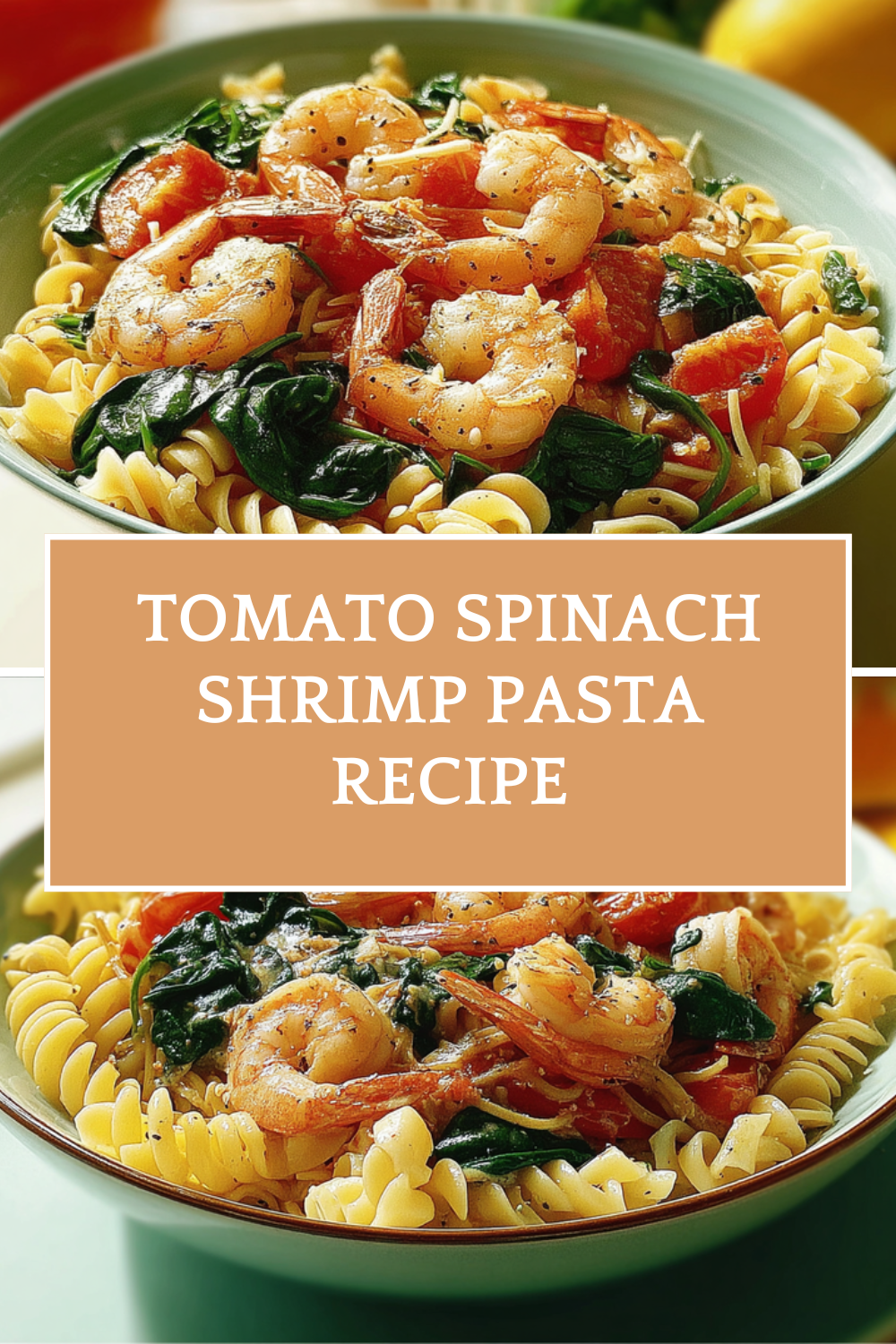
Creating the perfect nutritional value of spinach and shrimp pasta begins with gathering the right components. Each ingredient in this recipe plays a crucial role in building layers of flavor and texture that make this dish truly special.
Main Ingredients
12 oz linguine or spaghetti – Provides the perfect foundation for this dish, with strands that capture the creamy sauce beautifully
1 lb large shrimp (peeled and deveined) – The star protein that cooks quickly and adds a delicate sweetness to the pasta
2 cups fresh spinach (chopped) – Adds vibrant color, nutrition, and a mild earthiness that balances the rich sauce
1 cup cherry tomatoes (halved) – Burst with natural sweetness and acidity that brightens the entire dish
4 garlic cloves (minced) – Builds the aromatic foundation that infuses the entire dish with depth
1 small onion (diced) – Provides a subtle sweetness and complexity as the base for the sauce
1 cup heavy cream – Creates the luxurious, velvety texture that makes this creamy shrimp pasta so satisfying
½ cup grated Parmesan cheese – Adds savory umami notes and helps thicken the sauce perfectly
2 tbsp olive oil – The cooking fat that carries flavors and creates a perfect sear on the shrimp
1 tsp Italian seasoning – A convenient blend of herbs that simplifies seasoning while adding classic Italian flavors
Salt and pepper to taste – Essential for bringing all flavors together and enhancing natural tastes
Juice of 1 lemon – Adds brightness and cuts through the richness of the cream sauce
Red pepper flakes for heat – Provides adjustable spice level that awakens the palate
Fresh basil or parsley for garnish – Adds a fresh, aromatic finish that elevates presentation and flavor
Special Dietary Options
For those with specific dietary needs, this easy tomato spinach shrimp pasta can be adapted to suit various preferences without sacrificing flavor.
| Dietary Need | Substitutions |
|---|---|
| Vegan | Replace shrimp with tofu or chickpeas, use coconut milk or cashew cream instead of heavy cream, and nutritional yeast instead of Parmesan |
| Gluten-free | Use gluten-free pasta varieties like brown rice pasta, chickpea pasta, or quinoa pasta |
| Low-calorie | Swap heavy cream for half-and-half or Greek yogurt, and use zucchini noodles or whole wheat pasta to reduce calorie density |
How to Prepare the Perfect Tomato Spinach Shrimp Pasta Recipe: Step-by-Step Guide
Follow these detailed instructions to create your one pot spinach shrimp pasta recipe with confidence. The process is straightforward, but paying attention to each step ensures the best results every time.
First Step: Preparation and Mise en Place
Before turning on any heat, take ten minutes to prepare all your ingredients. This professional technique, known as mise en place, makes the cooking process smooth and enjoyable. Start by peeling and deveining the shrimp if they are not already prepared. Pat them thoroughly dry with paper towels, then season generously with salt and pepper. This simple step creates a better sear and more flavorful shrimp. Meanwhile, chop your fresh spinach, halve the cherry tomatoes, mince the garlic cloves, and dice the small onion. Having everything measured and ready will prevent scrambling once cooking begins. If you are planning to make dessert for after dinner, you might want to check out my banana oat chocolate chip cookies recipe as a sweet treat.
Second Step: Cooking the Pasta
Fill a large pot with water, add a generous tablespoon of salt, and bring to a rolling boil. The water should taste salty like the ocean, as this is your only opportunity to season the pasta itself. Add the 12 oz of linguine or spaghetti and cook according to package directions until al dente, typically 8-10 minutes. Al dente pasta offers better texture and will continue cooking slightly when combined with the hot sauce later. Crucially, before draining, reserve about ½ cup of the starchy pasta water this liquid gold will help bind your sauce later. Drain the pasta in a colander but do not rinse it, as rinsing removes the starches that help sauce adhere to the noodles.
Third Step: Sautéing Aromatics and Cooking Shrimp
While the pasta water heats, begin building the flavorful base of your tomato spinach shrimp pasta. Heat 2 tablespoons of olive oil in a large skillet over medium heat. Once shimmering, add the diced onion and minced garlic, sautéing for about 2 minutes until fragrant and translucent. Be careful not to brown the garlic, as it can become bitter. Increase the heat slightly to medium-high and add the seasoned shrimp in a single layer. Let them cook undisturbed for 1-2 minutes to develop a golden sear, then flip and cook for another 1-2 minutes until pink and opaque throughout. Immediately remove the shrimp from the pan and set aside on a plate they will finish cooking when returned to the sauce later, and removing them prevents overcooking.
Fourth Step: Building the Sauce
In the same skillet, reduce heat to medium and add the halved cherry tomatoes and chopped spinach. Sprinkle with Italian seasoning, salt, and pepper. Cook for about 3 minutes until the spinach wilts and tomatoes begin to soften and release their juices. This step creates a flavorful vegetable base that incorporates beautifully into the cream sauce. Pour in 1 cup of heavy cream and bring to a gentle simmer. Let the sauce cook for 2 minutes, allowing it to thicken slightly. Stir in the grated Parmesan cheese until melted and smooth, then add the lemon juice to brighten the flavors. The acidity from the lemon cuts through the richness of the cream, creating a perfectly balanced sauce. If the sauce becomes too thick, add a splash of the reserved pasta water to reach your desired consistency.
Final Step: Combining and Serving
Add the cooked pasta and the reserved shrimp to the skillet with the sauce. Gently toss everything together until the pasta is evenly coated and the shrimp are heated through just 1-2 minutes should do it. If needed, add more pasta water to create a silky, glossy sauce that clings to every strand of pasta. Taste and adjust seasoning with additional salt, pepper, or red pepper flakes according to preference. Serve immediately while hot, garnished with freshly chopped basil or parsley and an extra sprinkle of Parmesan cheese. The combination of tender shrimp, wilted spinach, burst tomatoes, and creamy coating creates an irresistible dish that will have everyone coming back for seconds. For a lovely dessert pairing, consider serving with cheesecake lemon bars for a refreshing finish.

Dietary Substitutions to Customize Your Tomato Spinach Shrimp Pasta Recipe
One of the beautiful aspects of this recipe is its adaptability to various dietary preferences and ingredient availability. Below are several ways to modify the dish while maintaining its delicious essence.
Protein and Main Component Alternatives
The shrimp in this recipe provides a delicate, quick-cooking protein, but several alternatives work beautifully. Chicken breast cut into bite-sized pieces makes an excellent substitute, though it will require a longer cooking time of approximately 5-6 minutes to ensure it’s cooked through. Scallops offer a luxurious alternative that cooks similarly to shrimp, typically requiring just 2-3 minutes per side depending on size. For a pescatarian but shellfish-free version, consider using cubed white fish like cod or halibut, adding them during the last few minutes of sauce preparation to prevent breaking apart. Vegetarian options include cubed extra-firm tofu, chickpeas, or white beans, which should be added during the sauce-building step to absorb flavors. Each protein alternative brings its unique texture and character to the dish while maintaining the overall appeal of the tomato spinach combination.
Vegetable, Sauce, and Seasoning Modifications
The vegetable components of this dish offer great flexibility based on seasonal availability and personal preferences. If fresh spinach is unavailable, frozen spinach works perfectly use 10 oz, thawed completely and squeezed dry to remove excess moisture that would dilute the sauce. For tomatoes, when cherry tomatoes are out of season or unavailable, diced canned tomatoes (well-drained) or even sun-dried tomatoes can provide the desired tomato flavor profile. Other vegetables that complement the sauce include bell peppers, mushrooms, zucchini, or asparagus add heartier vegetables like peppers with the aromatics and tender vegetables like asparagus with the tomatoes. The creamy sauce can also be modified: substitute half-and-half for a lighter version, or use coconut milk for a dairy-free option that adds subtle tropical notes. For a completely vegan version, cashew cream blended with water creates a remarkably rich and creamy texture. Seasoning variations might include adding fresh basil during cooking, incorporating sun-dried tomato pesto for deeper flavor, or using different herb blends like Herbes de Provence for a French-inspired twist.
Mastering Tomato Spinach Shrimp Pasta Recipe: Advanced Tips and Variations
Once you have mastered the basic recipe, these professional techniques and creative variations will help you elevate your tomato spinach shrimp pasta to new heights.
Pro Cooking Techniques
For the most flavorful garlic shrimp pasta, try caramelizing your onions rather than just sautéing them cook them slowly over medium-low heat for 15-20 minutes until they develop a deep golden color and sweet flavor. This extra step transforms the dish dramatically. Another professional technique is to deglaze your pan after cooking the aromatics with a splash of white wine before adding the cream this captures all the flavorful browned bits from the bottom of the pan and incorporates them into the sauce. When cooking the shrimp, avoid overcrowding the pan; cook in batches if necessary to ensure proper searing. Overcrowding causes the shrimp to steam rather than sear, resulting in less flavor and rubbery texture. For the best texture in your pasta, finish cooking it directly in the sauce for the last minute rather than combining them at the end this allows the noodles to absorb more flavor and creates a better integration of components.
Flavor Variations
While the classic version is delightful on its own, several flavor variations can transform this dish entirely. For a Mediterranean twist, add kalamata olives, capers, and fresh oregano to the sauce. Create a spicy Arrabbiata version by doubling the red pepper flakes and adding a tablespoon of tomato paste with the aromatics. For a smoky flavor profile, incorporate roasted red peppers and a pinch of smoked paprika. An autumn-inspired variation might include butternut squash cubes and sage, while summer versions shine with the addition of fresh corn kernels and basil. Consider adding a protein crunch element like toasted pine nuts or walnuts as a garnish for texture contrast. Each variation maintains the core appeal of the dish while offering exciting new taste experiences to explore.
Presentation Tips
Restaurant-quality presentation makes dining at home feel special. Twirl portions of pasta using a carving fork and ladle for perfectly portioned mounds on the plate. Arrange several shrimp prominently on top of each serving rather than burying them in the pasta. A final drizzle of high-quality extra virgin olive oil adds shine and sophistication. Grate fresh Parmesan directly over the plated dish rather than mixing it in for visual appeal. Consider serving in shallow bowls rather than deep plates to showcase the dish’s components. A simple green salad with a light vinaigrette and crusty garlic bread make perfect accompaniments without overshadowing the main dish. For special occasions, consider plating family-style on a large serving platter with fresh herb sprigs arranged artfully around the edges.
Make-Ahead Options
While this dish is best served fresh, you can prepare several components in advance to streamline weeknight cooking. The vegetable components (onions, garlic, spinach, and tomatoes) can be chopped and stored separately in airtight containers for up to 3 days. The shrimp can be cleaned and seasoned the morning of cooking, then kept refrigerated until ready to use. For true meal prep convenience, cook the entire recipe and portion it into individual containers though the pasta will absorb more sauce over time, it reheats beautifully with a splash of cream or pasta water to refresh the sauce. Avoid making the sauce more than a day ahead, as cream-based sauces can separate. If you must prepare components further in advance, consider freezing the prepared shrimp and vegetables separately, then assembling and cooking fresh for the best texture and flavor.
How to Store Tomato Spinach Shrimp Pasta Recipe: Best Practices
Proper storage ensures your leftovers remain safe and delicious, allowing you to enjoy this healthy tomato spinach shrimp pasta beyond the initial serving. Following these guidelines will help maintain quality and flavor.
Refrigeration
For short-term storage, place any leftover pasta in an airtight container and refrigerate within two hours of cooking. Properly stored, it will maintain good quality for up to 3 days. To prevent the shrimp from becoming rubbery, cool the dish quickly rather than letting it sit at room temperature for extended periods. When transferring to containers, avoid compacting the pasta too tightly, which can cause it to become gummy. If possible, store the sauce and pasta separately, then combine when reheating for the best texture. Label containers with the date to track freshness easily. The pasta will absorb more sauce during refrigeration, which is normal and can be corrected during reheating.
Freezing
Freezing this creamy shrimp pasta presents some challenges due to the dairy-based sauce and the delicate nature of shrimp. Cream sauces tend to separate when frozen and thawed, resulting in a grainy texture, and pasta often becomes mushy after freezing. For these reasons, freezing the complete dish is not recommended. However, you can freeze individual components successfully: freeze cooked shrimp in a single layer on a baking sheet before transferring to a freezer bag, where they will keep for up to 3 months. The sauce can also be frozen for up to 2 months, though it may require vigorous whisking when reheating to re-emulsify. Fresh pasta freezes better than already cooked pasta if you want to prepare components ahead of time. If you do freeze the combined dish, be prepared for some texture changes and plan to refresh it with additional cream and seasonings upon reheating.
Reheating
The gentlest reheating methods produce the best results for leftover shrimp pasta. On the stovetop, place the pasta in a saucepan over low heat, adding a splash of cream, milk, or reserved pasta water to revive the sauce. Stir gently and occasionally until heated through, about 3-5 minutes. This method helps the sauce re-emulsify and prevents the pasta from drying out. For microwave reheating, place portions in a microwave-safe dish, cover with a damp paper towel to retain moisture, and heat in 1-minute intervals, stirring between each, until hot. The internal temperature should reach 165°F for food safety, particularly regarding the shrimp. Avoid overheating, which can cause the shrimp to become tough and the cream sauce to separate. Adding a squeeze of fresh lemon juice and a sprinkle of Parmesan after reheating can refresh flavors that may have muted during storage.
Meal Prep Considerations
For efficient meal prep, consider portioning the pasta into individual containers immediately after cooking rather than storing in one large container. This makes reheating more convenient and prevents repeated reheating of the entire batch. Glass containers work particularly well as they don’t retain odors and allow you to see the contents easily. If preparing this dish specifically for meal prep, slightly undercook the pasta initially, as it will continue cooking during the reheating process. Keep a small container of extra cream or pasta water alongside the meal portions to refresh the sauce when reheating throughout the week. Pairing with pre-made sides like roasted vegetables or a simple salad creates complete, balanced meals ready for busy days. This dish actually benefits from resting overnight as flavors have time to meld, making it an excellent candidate for next-day lunches.
FAQs: Frequently Asked Questions About Tomato Spinach Shrimp Pasta Recipe
What ingredients do I need for tomato spinach shrimp pasta?
How do you make tomato spinach shrimp pasta step by step?
How long does tomato spinach shrimp pasta take to cook?
Can I substitute ingredients in tomato spinach shrimp pasta?
How do I store and reheat tomato spinach shrimp pasta?
Tomato Spinach Shrimp Pasta Recipe
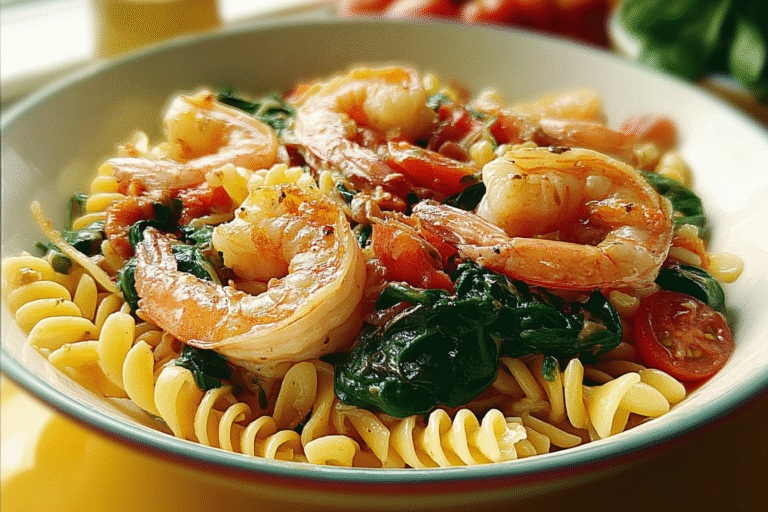
🍤 Succulent shrimp meets garlicky cherry tomatoes and wilted spinach in a light, flavorful sauce over pasta—high-protein, veggie-packed dinner ready in 25 minutes.
🥬 Bursting with fresh Mediterranean flavors, it’s a healthy, one-pan wonder perfect for busy weeknights or impressing guests effortlessly!
- Total Time: 25 minutes
- Yield: 4 servings
Ingredients
– 12 oz linguine or spaghetti
– 1 lb large shrimp (peeled and deveined)
– 2 cups fresh spinach (chopped)
– 1 cup cherry tomatoes (halved)
– 4 garlic cloves (minced)
– 1 small onion (diced)
– 1 cup heavy cream
– ½ cup grated Parmesan cheese
– 2 tbsp olive oil
– 1 tsp Italian seasoning
– Salt and pepper to taste
– Juice of 1 lemon
– Red pepper flakes for heat
– Fresh basil or parsley for garnish
Instructions
1-First Step: Preparation and Mise en Place Before turning on any heat, take ten minutes to prepare all your ingredients. This professional technique, known as mise en place, makes the cooking process smooth and enjoyable. Start by peeling and deveining the shrimp if they are not already prepared. Pat them thoroughly dry with paper towels, then season generously with salt and pepper. This simple step creates a better sear and more flavorful shrimp. Meanwhile, chop your fresh spinach, halve the cherry tomatoes, mince the garlic cloves, and dice the small onion. Having everything measured and ready will prevent scrambling once cooking begins.
2-Second Step: Cooking the Pasta Fill a large pot with water, add a generous tablespoon of salt, and bring to a rolling boil. The water should taste salty like the ocean, as this is your only opportunity to season the pasta itself. Add the 12 oz of linguine or spaghetti and cook according to package directions until al dente, typically 8-10 minutes. Al dente pasta offers better texture and will continue cooking slightly when combined with the hot sauce later. Crucially, before draining, reserve about ½ cup of the starchy pasta water this liquid gold will help bind your sauce later. Drain the pasta in a colander but do not rinse it, as rinsing removes the starches that help sauce adhere to the noodles.
3-Third Step: Sautéing Aromatics and Cooking Shrimp While the pasta water heats, begin building the flavorful base of your tomato spinach shrimp pasta. Heat 2 tablespoons of olive oil in a large skillet over medium heat. Once shimmering, add the diced onion and minced garlic, sautéing for about 2 minutes until fragrant and translucent. Be careful not to brown the garlic, as it can become bitter. Increase the heat slightly to medium-high and add the seasoned shrimp in a single layer. Let them cook undisturbed for 1-2 minutes to develop a golden sear, then flip and cook for another 1-2 minutes until pink and opaque throughout. Immediately remove the shrimp from the pan and set aside on a plate they will finish cooking when returned to the sauce later, and removing them prevents overcooking.
4-Fourth Step: Building the Sauce In the same skillet, reduce heat to medium and add the halved cherry tomatoes and chopped spinach. Sprinkle with Italian seasoning, salt, and pepper. Cook for about 3 minutes until the spinach wilts and tomatoes begin to soften and release their juices. This step creates a flavorful vegetable base that incorporates beautifully into the cream sauce. Pour in 1 cup of heavy cream and bring to a gentle simmer. Let the sauce cook for 2 minutes, allowing it to thicken slightly. Stir in the grated Parmesan cheese until melted and smooth, then add the lemon juice to brighten the flavors. The acidity from the lemon cuts through the richness of the cream, creating a perfectly balanced sauce. If the sauce becomes too thick, add a splash of the reserved pasta water to reach your desired consistency.
5-Final Step: Combining and Serving Add the cooked pasta and the reserved shrimp to the skillet with the sauce. Gently toss everything together until the pasta is evenly coated and the shrimp are heated through just 1-2 minutes should do it. If needed, add more pasta water to create a silky, glossy sauce that clings to every strand of pasta. Taste and adjust seasoning with additional salt, pepper, or red pepper flakes according to preference. Serve immediately while hot, garnished with freshly chopped basil or parsley and an extra sprinkle of Parmesan cheese. The combination of tender shrimp, wilted spinach, burst tomatoes, and creamy coating creates an irresistible dish that will have everyone coming back for seconds.
Last Step:
Please leave a rating and comment letting us know how you liked this recipe! This helps our business to thrive and continue providing free, high-quality recipes for you.Notes
🍤 Don’t overcook shrimp—aim for opaque pink to keep juicy tender.
🥬 Add spinach at end to preserve vibrant color and nutrients.
🍋 Splash of lemon brightens flavors; serve with extra wedges.
- Prep Time: 10 minutes
- Cook Time: 15 minutes
- Category: Main Course
- Method: Stovetop
- Cuisine: Italian
- Diet: Pescatarian
Nutrition
- Serving Size: 1.5 cups
- Calories: 520 kcal
- Sugar: 4g
- Sodium: 650mg
- Fat: 20g
- Saturated Fat: 4g
- Unsaturated Fat: 14g
- Trans Fat: 0g
- Carbohydrates: 58g
- Fiber: 4g
- Protein: 32g
- Cholesterol: 185mg