Why You’ll Love This Vegetable Stir Fry Recipe
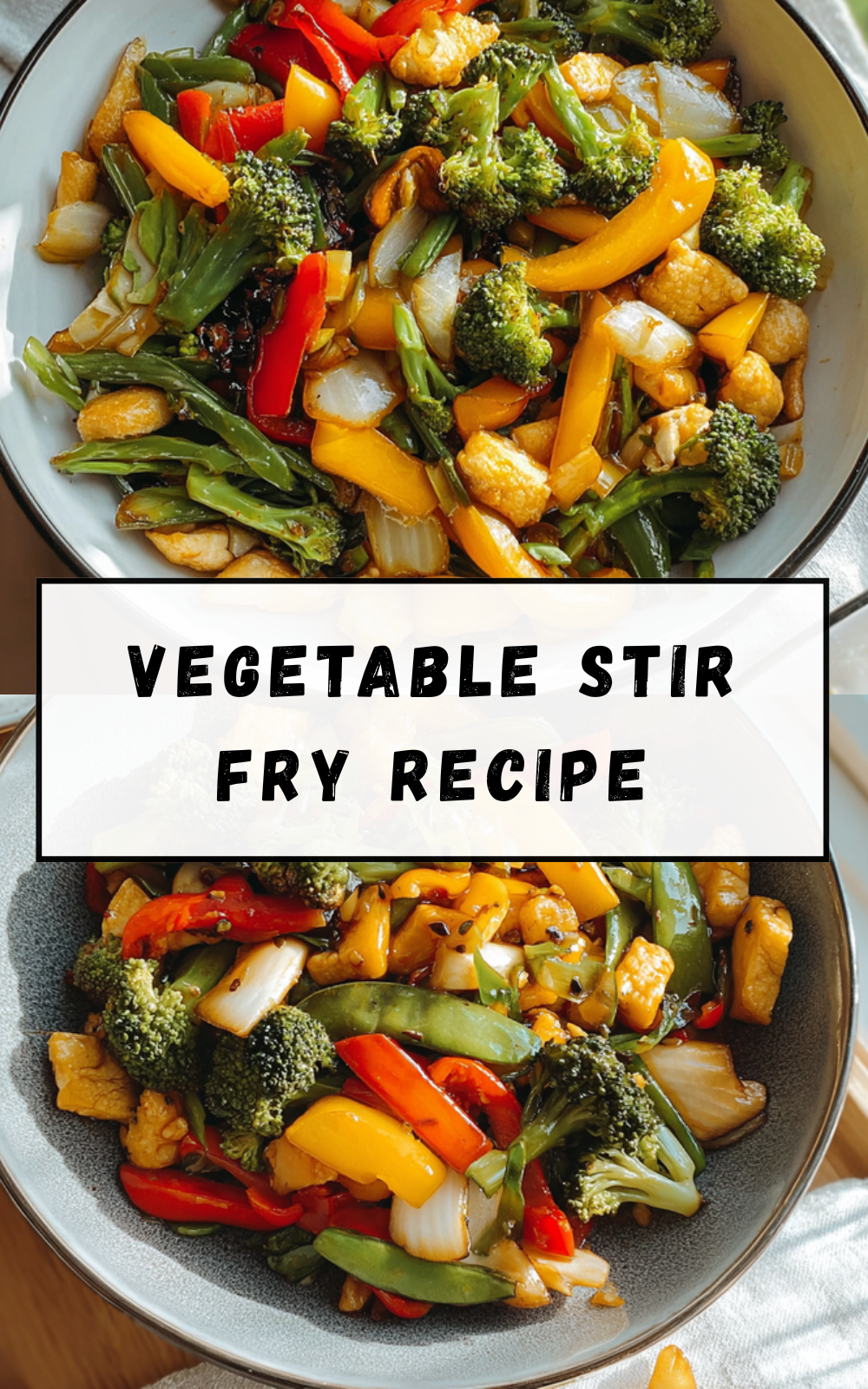
There’s nothing quite like a colorful, vibrant dish that comes together in minutes. This vegetable stir fry recipe has become a staple in my kitchen because it hits all the right notes for a satisfying meal. Whether you’re a busy parent looking for a quick dinner or a health-conscious eater seeking nutritious options, this recipe delivers on every front.
- Ease of preparation: From prep to plate, this recipe takes less than 20 minutes. With minimal chopping and straightforward cooking techniques, even beginner cooks can achieve restaurant-quality results. The ingredients are accessible and the steps are foolproof.
- Health benefits: Packed with fiber, vitamins A, C, and K, plus powerful antioxidants, this stir fry makes getting your daily vegetables a delight. Studies show that stir-frying helps retain 80-90% of nutrients compared to other cooking methods because of the quick cooking time.
- Versatility: This recipe adapts beautifully to whatever vegetables you have on hand, dietary restrictions, or seasonal produce. It’s naturally gluten-free with simple substitutions, easily veganized, and perfect for meal prep.
- Distinctive flavor: The combination of aromatics, savory sauce, and perfectly cooked vegetables creates a depth of flavor that satisfies cravings without being heavy. Each bite offers a delicious balance of textures and tastes.
Jump to:
- Why You’ll Love This Vegetable Stir Fry Recipe
- Essential Ingredients for Vegetable Stir Fry Recipe
- Main Ingredients
- Special Dietary Options
- How to Prepare the Perfect Vegetable Stir Fry Recipe: Step-by-Step Guide
- Preparation Phase
- Cooking Process
- Dietary Substitutions to Customize Your Vegetable Stir Fry Recipe
- Protein and Main Component Alternatives
- Vegetable, Sauce, and Seasoning Modifications
- Mastering Vegetable Stir Fry Recipe: Advanced Tips and Variations
- Pro Cooking Techniques
- Flavor Variations
- Presentation Tips
- Make-Ahead Options
- How to Store Vegetable Stir Fry Recipe: Best Practices
- Refrigeration
- Freezing
- Reheating
- Meal Prep Considerations
- FAQs: Frequently Asked Questions About Vegetable Stir Fry Recipe
- How do I make a simple vegetable stir fry recipe at home?
- What vegetables are best for stir fry?
- How long does it take to cook vegetable stir fry?
- Is vegetable stir fry healthy and low calorie?
- How do I store and reheat vegetable stir fry leftovers?
- Vegetable Stir Fry Recipe
- Ingredients
- Instructions
- Last Step:
- Notes
- Nutrition
- Did you make this recipe?
Essential Ingredients for Vegetable Stir Fry Recipe
The magic of a great stir fry lies in its fresh, quality ingredients. This recipe comes together with a beautiful mix of vegetables and a simple yet flavorful sauce that coats each piece perfectly.
Main Ingredients
- 2 cups mixed vegetables (broccoli florets, bell peppers, carrots, snap peas, mushrooms) – Provides a colorful variety of textures, flavors, and nutrients
- 1 tablespoon cooking oil – Helps achieve that perfect stir-fried texture without excess fat
- 2 cloves garlic, minced – Adds aromatic depth and savory notes
- 1 teaspoon fresh ginger, grated – Provides warmth and balances the soy sauce
- 2 tablespoons soy sauce – Creates the savory base of our stir fry sauce
- 1 tablespoon oyster sauce – Adds richness and umami flavor (use hoisin for vegan option)
- 1 teaspoon sesame oil – Delivers a nutty aroma and authentic flavor
- 1 teaspoon cornstarch mixed with water – Helps thicken the sauce for perfect coating
- Red pepper flakes (to taste) – Adds customizable heat for those who like it spicy
Special Dietary Options
| Dietary Need | Substitutions |
|---|---|
| Vegan | Replace oyster sauce with hoisin or mushroom sauce |
| Gluten-free | Use tamari instead of soy sauce |
| Low-calorie | Reduce oil to 1/2 tablespoon and use low-sodium soy sauce |
How to Prepare the Perfect Vegetable Stir Fry Recipe: Step-by-Step Guide
Creating a restaurant-quality vegetable stir fry at home is easier than you might think. Follow these detailed steps for consistently delicious results every time. The key lies in preparation and maintaining high heat throughout the cooking process.
Preparation Phase
First Step: Prepare all your ingredients before turning on the stove. This technique, called mise en place, is crucial for stir-frying success. Wash and chop all vegetables into bite-sized, uniform pieces. Slice vegetables about 1/4 inch thick for quick, even cooking. Mix your sauce ingredients in a small bowl and set aside. Having everything ready means you won’t have to pause while cooking, which could lead to overcooked vegetables.
Second Step: Heat your wok or large skillet over medium-high heat for about 1 minute. You want the pan to be hot before adding any oil. Once hot, add 1 tablespoon of cooking oil and swirl to coat the bottom of the pan. The oil should shimmer but not smoke. While heating, you can also start your rice or other grain if serving, as it will need about 15-20 minutes to cook.
Cooking Process
Third Step: Add your aromatics to the hot oil. Toss in 2 minced garlic cloves and 1 teaspoon grated ginger. Stir constantly for about 30 seconds until fragrant. Be careful not to burn the garlic, as it will become bitter. These aromatics create the flavor foundation for your entire dish and should infuse the oil before adding the vegetables.
Fourth Step: Add your vegetables starting with the hardest ones first. Begin with carrots and broccoli, which take longer to cook. Stir-fry for 3-4 minutes, keeping the vegetables moving constantly. Then add softer vegetables like bell peppers and snap peas. Continue cooking for another 2-3 minutes. This staged approach ensures all vegetables reach perfect doneness at the same time tender-crisp, not mushy.
Fifth Step: Create a well in the center of your vegetables by pushing them to the sides of the pan. Pour your sauce mixture into the center and let it bubble for about 30 seconds. This helps the cornstarch activate and begin thickening. Then, toss the vegetables with the sauce, ensuring every piece is well coated. Continue cooking for another 1-2 minutes until the sauce has thickened and clings to the vegetables.
Pro tip: Don’t overcrowd the pan! If your vegetables fill the pan more than halfway up the sides, cook in two batches instead. This prevents steaming and ensures that coveted stir-fried flavor and texture.
Final Step: Remove from heat and drizzle with 1 teaspoon of sesame oil for a final burst of flavor. Serve immediately over rice, noodles, or enjoy on its own for a lighter option. Garnish with sesame seeds, sliced green onions, or fresh herbs if desired. For a complete meal, you might add a protein like tofu or chicken.

Dietary Substitutions to Customize Your Vegetable Stir Fry Recipe
One of the beautiful aspects of this vegetable stir fry recipe is its adaptability. Whether you have dietary restrictions, ingredient limitations, or simply want to try something new, there are countless ways to customize this dish to suit your needs.
Protein and Main Component Alternatives
While this recipe focuses on vegetables, adding protein transforms it into a complete, satisfying meal. Tofu is an excellent choice for vegetarians and vegans; use extra-firm tofu pressed to remove excess moisture, then cubed and browned before adding vegetables. For a heartier version, tempeh works beautifully and adds a nutty flavor. Meat eaters might opt for sliced chicken breast, shrimp, or beef strips. Seafood cooks quickly, so add it in the final 2-3 minutes of cooking to prevent toughness. Eggs also make a fantastic addition simply scramble them in the hot pan before adding vegetables, as in many Asian stir fry traditions.
Vegetable, Sauce, and Seasoning Modifications
The vegetable combinations in this recipe are virtually endless. For spring stir fries, incorporate asparagus, sugar snap peas, and baby bok choy. Summer brings opportunities for zucchini, yellow squash, and fresh green beans. Fall and winter call for heartier vegetables like cauliflower, Brussels sprouts, and butternut squash. The key is to adjust cooking times based on vegetable density.
Sauce variations can completely transform the character of your dish. For a Thai-inspired version, add a tablespoon of peanut butter and a squeeze of lime. Create a spicy Szechuan style by incorporating chili garlic sauce and Szechuan peppercorns. For a sweeter profile, add a teaspoon of honey or brown sugar to the sauce mixture. Experiment with different Asian condiments like hoisin, black bean sauce, or fish sauce (for non-vegetarians) to discover your perfect flavor combination.
Mastering Vegetable Stir Fry Recipe: Advanced Tips and Variations
Once you’ve mastered the basic technique, there are several ways to take your vegetable stir fry recipe to the next level. These advanced tips and creative variations will help you develop your stir fry prowess and impress friends and family with your skills.
Pro Cooking Techniques
Achieving that authentic restaurant-quality stir fry comes down to technique. First, use the highest heat your stove can produce while maintaining control. Electric stovetop users might benefit from using a cast-iron skillet which retains heat better than standard pans. The proper technique involves keeping ingredients in constant motion tossing, flipping, and stirring. This ensures even cooking and prevents burning. For those with gas stoves, briefly tilting the pan toward the flame creates what’s known as “wok hei” that smoky, complex flavor characteristic of great stir fries.
Pre-cooking denser vegetables like broccoli, carrots, and cauliflower by blanching them in boiling water for 1 minute before stir frying ensures perfect doneness without overcooking more delicate vegetables. This simple step makes a significant difference in the final texture of your dish.
Flavor Variations
Creating signature stir fry styles becomes easy once you understand the building blocks of flavor. A Korean-inspired version might include gochujang (Korean chili paste), sesame seeds, and a drizzle of sesame oil. The Japanese teriyaki style combines soy sauce, mirin, sugar, and ginger for a sweet and savory profile. Malaysian or Singaporean versions often feature curry powder, coconut milk, and turmeric. Don’t be afraid to experiment with different Asian condiments to discover new favorite combinations.
Presentation Tips
They say we eat with our eyes first, and presentation is especially important with the colorful array of vegetables in this dish. Serve in wide, shallow bowls to showcase the vibrant colors. Add height by mounding the vegetables slightly rather than spreading them flat. A sprinkle of sesame seeds, thinly sliced scallions, or fresh cilantro adds visual interest and a burst of fresh flavor. For a dramatic presentation, serve family-style in the center of the table and let guests serve themselves.
Make-Ahead Options
For busy weeknights, prepare vegetables in advance. Wash and chop vegetables up to 3 days ahead and store in airtight containers in the refrigerator. You can also pre-mix your sauce and keep it refrigerated for up to a week. When ready to cook, the actual stir frying takes mere minutes. Some vegetables like onions and mushrooms can be pre-sliced, though delicate ones like snow peas and bell peppers are best prepared closer to cooking time to maintain their crisp texture.
How to Store Vegetable Stir Fry Recipe: Best Practices
Making extra vegetable stir fry is smart for meal planning, but proper storage is essential to maintain quality and safety. These guidelines will help you enjoy your leftovers while preserving texture and flavor.
Refrigeration
Cool your vegetable stir fry completely before refrigerating to prevent condensation that leads to sogginess. Place in an airtight container and store in the refrigerator for up to 4 days. If possible, store rice separately from the vegetables to maintain optimal texture. When refrigerating, try to use glass containers as they don’t absorb odors and are easy to reheat in without concerns about plastic chemicals leaching into food.
Freezing
Vegetable stir fry freezes surprisingly well if done properly. Portion the cooled stir fry into freezer-safe bags, removing as much air as possible before sealing. Label with contents and date. Frozen stir fry maintains quality for 2-3 months. To thaw, place the bag in the refrigerator overnight. For best results, slightly undercook the vegetables initially if planning to freeze, as they will continue cooking slightly during reheating.
Reheating
Reheating properly is key to reviving leftover stir fry. The stovetop method yields the best results: heat a skillet over medium heat, add a teaspoon of oil or water to prevent sticking, then add the stir fry. Heat for 2-3 minutes, stirring occasionally until heated through to 165°F. The microwave is quicker but may make vegetables softer cover loosely and heat in 1-minute intervals, stirring between each. Adding a splash of soy sauce or a squeeze of fresh lime after reheating can refresh the flavors.
Meal Prep Considerations
For successful meal prep, slightly undercook vegetables when batch cooking. This means reducing cooking time by about 1-2 minutes, so they don’t become mushy when reheated. Portion into individual containers for grab-and-go convenience. Consider pairing with pre-cooked grains for complete meals ready in minutes. Check out other meal-friendly recipes that complement your weekly menu planning.
FAQs: Frequently Asked Questions About Vegetable Stir Fry Recipe
How do I make a simple vegetable stir fry recipe at home?
What vegetables are best for stir fry?
How long does it take to cook vegetable stir fry?
Is vegetable stir fry healthy and low calorie?
How do I store and reheat vegetable stir fry leftovers?
Vegetable Stir Fry Recipe
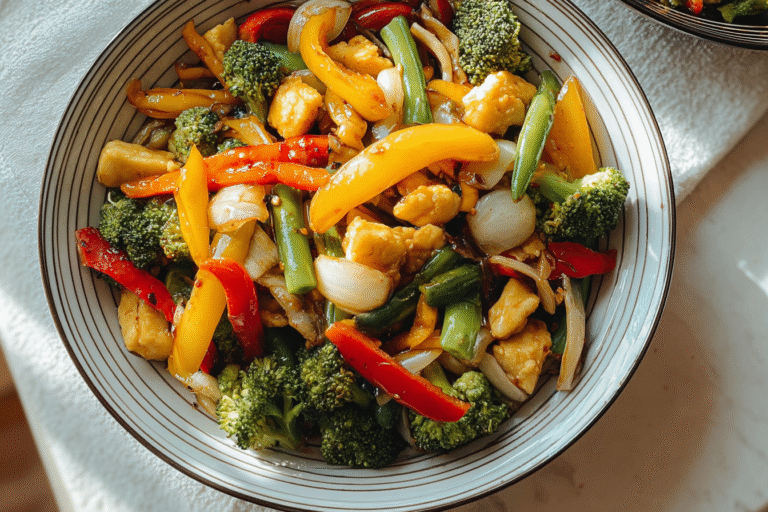
🥦 Vibrant mix of broccoli, peppers, and snap peas delivers fiber, vitamins, and antioxidants for a nutrient-packed, guilt-free dinner.
🔥 Quick 20-minute cook time with savory soy-ginger sauce creates bold flavors, ideal for hectic weeknights or healthy meal prep!
- Total Time: 20 minutes
- Yield: 4 servings
Ingredients
– 2 cups mixed vegetables (broccoli florets, bell peppers, carrots, snap peas, mushrooms) for colorful variety of textures, flavors, and nutrients
– 1 tablespoon cooking oil for perfect stir-fried texture without excess fat
– 2 cloves garlic, minced for aromatic depth and savory notes
– 1 teaspoon fresh ginger, grated for warmth and balancing the soy sauce
– 2 tablespoons soy sauce for savory base of stir fry sauce
– 1 tablespoon oyster sauce for richness and umami flavor
– 1 teaspoon sesame oil for nutty aroma and authentic flavor
– 1 teaspoon cornstarch mixed with water for thickening the sauce
– Red pepper flakes (to taste) for customizable heat
Instructions
1-First Step: Prepare all your ingredients before turning on the stove. This technique, called mise en place, is crucial for stir-frying success. Wash and chop all vegetables into bite-sized, uniform pieces. Slice vegetables about 1/4 inch thick for quick, even cooking. Mix your sauce ingredients in a small bowl and set aside. Having everything ready means you won’t have to pause while cooking, which could lead to overcooked vegetables.
2-Second Step: Heat your wok or large skillet over medium-high heat for about 1 minute. You want the pan to be hot before adding any oil. Once hot, add 1 tablespoon of cooking oil and swirl to coat the bottom of the pan. The oil should shimmer but not smoke. While heating, you can also start your rice or other grain if serving, as it will need about 15-20 minutes to cook.
3-Third Step: Add your aromatics to the hot oil. Toss in 2 minced garlic cloves and 1 teaspoon grated ginger. Stir constantly for about 30 seconds until fragrant. Be careful not to burn the garlic, as it will become bitter. These aromatics create the flavor foundation for your entire dish and should infuse the oil before adding the vegetables.
4-Fourth Step: Add your vegetables starting with the hardest ones first. Begin with carrots and broccoli, which take longer to cook. Stir-fry for 3-4 minutes, keeping the vegetables moving constantly. Then add softer vegetables like bell peppers and snap peas. Continue cooking for another 2-3 minutes. This staged approach ensures all vegetables reach perfect doneness at the same time tender-crisp, not mushy.
5-Fifth Step: Create a well in the center of your vegetables by pushing them to the sides of the pan. Pour your sauce mixture into the center and let it bubble for about 30 seconds. This helps the cornstarch activate and begin thickening. Then, toss the vegetables with the sauce, ensuring every piece is well coated. Continue cooking for another 1-2 minutes until the sauce has thickened and clings to the vegetables.
6-Final Step: Remove from heat and drizzle with 1 teaspoon of sesame oil for a final burst of flavor. Serve immediately over rice, noodles, or enjoy on its own for a lighter option. Garnish with sesame seeds, sliced green onions, or fresh herbs if desired. For a complete meal, you might add a protein like tofu or chicken.
Last Step:
Please leave a rating and comment letting us know how you liked this recipe! This helps our business to thrive and continue providing free, high-quality recipes for you.Notes
🥦 Cut vegetables to similar sizes for even cooking and perfect crunch.
🔥 High heat and constant stirring prevent sogginess—work in batches if needed.
🌱 Customize with tofu, chicken, or shrimp for added protein.
- Prep Time: 10 minutes
- Cook Time: 10 minutes
- Category: Stir Fry
- Method: Stovetop
- Cuisine: Asian
- Diet: Vegan, Gluten-Free (use tamari)
Nutrition
- Serving Size: 1.5 cups
- Calories: 220 kcal
- Sugar: 9g
- Sodium: 780mg
- Fat: 9g
- Saturated Fat: 1g
- Unsaturated Fat: 7g
- Trans Fat: 0g
- Carbohydrates: 32g
- Fiber: 6g
- Protein: 6g
- Cholesterol: 0mg