Why You’ll Love This Korean Broccoli Side Dish
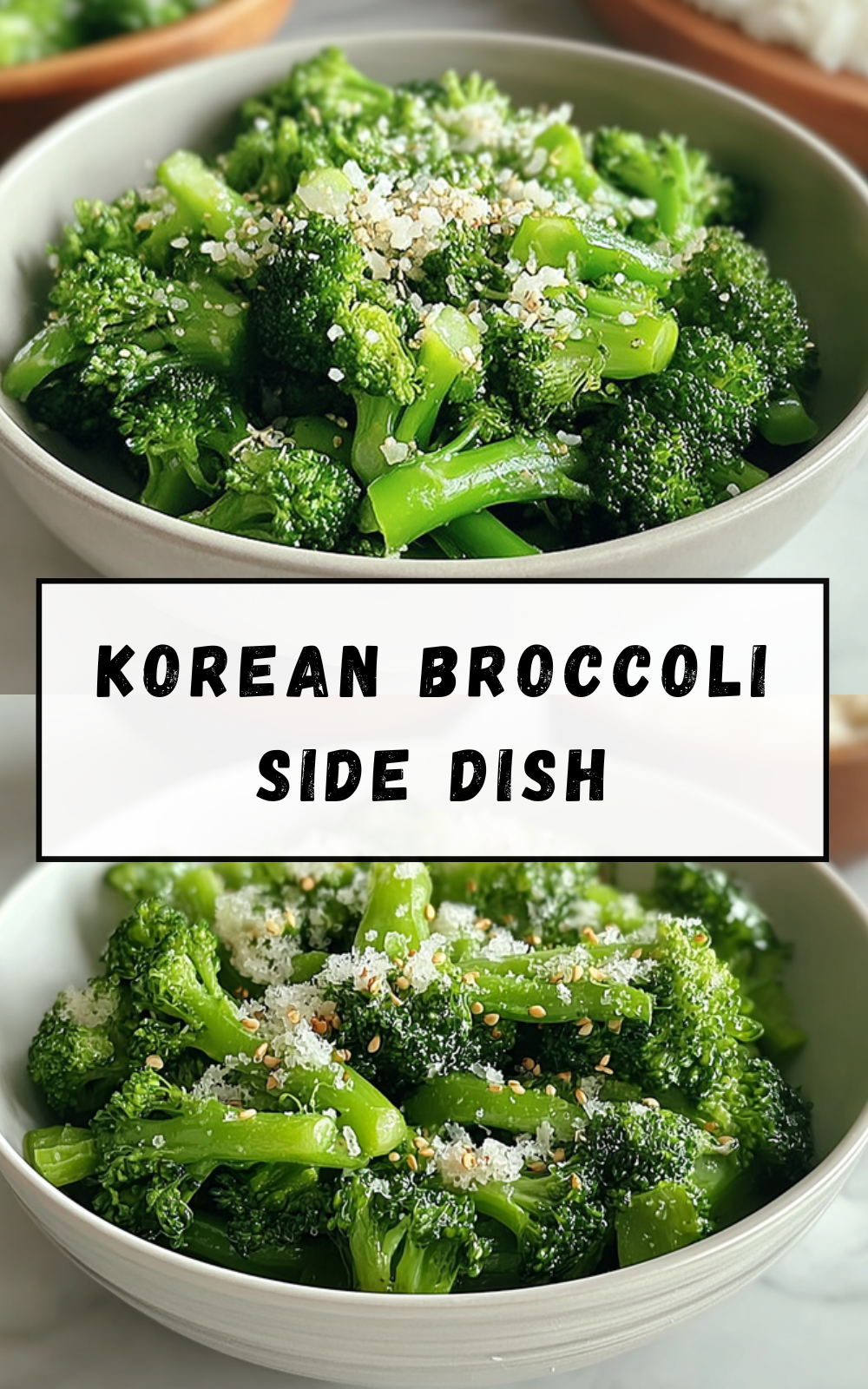
If you’re looking for a quick and flavorful addition to your meals, this Korean broccoli side dish is a game-changer. It’s perfect for home cooks who want something healthy and delicious without spending hours in the kitchen. Plus, its adaptability makes it easy to fit into various diets and meal plans.
This dish comes together in about 15 minutes with a simple blanch or sauté and minimal chopping, making it ideal for busy weeknights or quick dinner additions. It uses just one pan and easy-to-find ingredients for fast cleanup, which is great for busy parents and working professionals. You’ll appreciate how this Korean-style broccoli side lets you focus on enjoying your meal rather than endless prep.
From a health perspective, the recipe is packed with nutrients, as broccoli offers fiber, vitamin C, K, folate, and potassium. The light sesame oil and seasonings add healthy fats and antioxidants, supporting digestion, immune function, and bone health. This makes it a smart choice for diet-conscious individuals and those seeking low-calorie options to enhance their everyday wellness.
One of the best parts is its versatility, allowing you to tweak it for different needs. For instance, keep it vegan with tamari and toasted sesame, or go gluten-free by swapping in gluten-free soy sauce. It pairs wonderfully with rice, noodles, grilled meats, or even vegan mains, making it a flexible staple for students, travelers, and newlyweds.
What sets this Korean broccoli side apart is its unique balance of savory, sweet, and umami flavors from garlic, a hint of sweetness, and toasted sesame. The result is a dish with caramelized edges and a bright finish that stands out from ordinary vegetable sides. Food enthusiasts and baking lovers will enjoy how it adds excitement to any table.
Jump to:
- Why You’ll Love This Korean Broccoli Side Dish
- Essential Ingredients for Korean Broccoli Side Dish
- How to Prepare the Perfect Korean Broccoli Side Dish: Step-by-Step Guide
- Getting Started with Prep
- Blanching or Cooking the Broccoli
- Making and Applying the Seasoning
- Finishing Touches
- Dietary Substitutions to Customize Your Korean Broccoli Side Dish
- Mastering Korean Broccoli Side Dish: Advanced Tips and Variations
- How to Store Korean Broccoli Side Dish: Best Practices
- FAQs: Frequently Asked Questions About Korean Broccoli Side Dish
- What ingredients do I need to make Korean broccoli side dish?
- How do I cook broccoli for Korean side dish without it getting mushy?
- Can I make Korean broccoli side dish ahead of time?
- Is Korean broccoli side dish healthy and low-calorie?
- What other Korean side dishes pair well with broccoli banchan?
- Korean Broccoli Side Dish
- Ingredients
- Instructions
- Last Step:
- Notes
- Nutrition
- Did you make this recipe?
Essential Ingredients for Korean Broccoli Side Dish
To create this tasty Korean broccoli side dish, you’ll need a few key items that come together easily. Start with fresh, high-quality produce and simple pantry staples for the best results. Here’s a complete list based on the recipe details, ensuring you have everything measured out just right.
- 1 lb broccoli, cut into florets
- 1 to 2 teaspoons kosher salt (split for use)
- 1 to 2 tablespoons sesame oil
- 2 to 3 cloves garlic, minced
- Sesame seeds (quantity not specified)
- Soy sauce (optional, a splash for extra flavor)
- Gochugaru flakes (optional, for heat)
This structured list covers all the ingredients you need, with precise measurements where provided. It makes shopping and prepping straightforward, so you can whip up the dish without any guesswork.
How to Prepare the Perfect Korean Broccoli Side Dish: Step-by-Step Guide
Getting Started with Prep
First, gather and measure your ingredients to make the process smooth. Wash 1 lb of broccoli and cut it into even florets so they cook uniformly, then mince 2 to 3 cloves of garlic. Having everything ready, or mise en place, helps prevent overcooking and keeps things organized for this Korean broccoli side dish. This step takes just about 5 minutes of prep time, setting you up for success whether you’re blanching or sautéing.
Blanching or Cooking the Broccoli
Bring a large pot of water with 1 teaspoon of salt to a boil. Blanch the broccoli florets for 2 minutes or add 1 minute for a softer texture until they turn bright green. Immediately transfer them to an ice bath to stop cooking, which helps maintain that crisp texture as mentioned in the tips. After draining and patting dry, you’re ready to season, with the whole cook time clocking in at just 5 minutes for a total of 10 minutes.
For added variety, you could steam or roast the broccoli, but blanching works best here. Once done, the broccoli should be tender-crisp, making it a perfect base for the flavors ahead. This method ensures your Korean broccoli side dish stays vibrant and full of nutrients.
Making and Applying the Seasoning
Place the drained broccoli in a mixing bowl and season it with 1 to 2 tablespoons of sesame oil, the minced garlic, and salt to taste. Adjust the seasoning as needed to balance the flavors, then optionally add a splash of soy sauce or gochugaru flakes for extra taste. These simple steps bring out the nutty and savory notes that define this dish. Keep an eye on the amounts based on your preferences, as suggested in the tips, to make it just right.
Finishing Touches
Garnish with sesame seeds and give everything a good toss. Your Korean broccoli side is now ready to serve and enjoy, ideally with other dishes for a complete meal. This quick prep highlights why it’s a favorite for busy schedules, and for more dessert ideas to pair with it, check out our strawberry shortcake trifle recipe. Remember, the goal is a dish that’s flavorful and easy to customize.

Dietary Substitutions to Customize Your Korean Broccoli Side Dish
One of the joys of this Korean broccoli side dish is how easy it is to adapt. Whether you’re vegan or watching your calories, small changes can make a big difference. Let’s look at some protein and vegetable options to keep things fresh.
- Use firm tofu instead of other proteins for a vegan twist that soaks up the glaze perfectly.
- Swap in tempeh for a nutty texture, ideal for vegetarian meals.
- Add shrimp if you want a quick protein boost, cooking it in the last few minutes.
For sauce tweaks, try tamari for gluten-free versions or miso for a soy-free alternative. You can also adjust spice levels or add herbs like cilantro for more depth, which helps with low-calorie goals by reducing oil. These modifications ensure the dish fits diets for seniors or baking enthusiasts looking for variety.
Mastering Korean Broccoli Side Dish: Advanced Tips and Variations
Taking your Korean broccoli side dish to the next level involves some pro techniques. Start by using high heat to sear the florets quickly, creating that desirable Maillard browning. Pat the broccoli dry before cooking to avoid steaming, and consider finishing it under the broiler for extra crisp edges. A cast-iron skillet works wonders here for better caramelization, especially if you’re aiming for that authentic Korean-style broccoli side.
Experiment with flavors by adding a citrusy twist, like orange zest, or a smoky note with paprika. For a fusion idea, mix in toasted breadcrumbs while keeping the core glaze. Advanced protein prep, such as velveting chicken or tofu, adds a silky texture that complements the broccoli. For more healthy recipe inspirations, visit a site like health benefits of broccoli to learn more about its superfood qualities.
Presentation matters too, so serve on a warm platter with sesame seeds and scallions for a polished look. If you’re prepping ahead, make the sauce in advance and store it separately. This approach is handy for working professionals and keeps the dish tasting fresh when reheated.
How to Store Korean Broccoli Side Dish: Best Practices
Proper storage helps maintain the quality of your Korean broccoli side dish. Cool it to room temperature within two hours and place it in an airtight container in the fridge. It will stay good for 3-4 days at 40°F or below, and keeping the sauce separate preserves the texture. For meal prep, this method works well for busy parents and students who need quick options.
If freezing, handle the florets carefully by blanching them first and freezing in a single layer. However, it’s often better to freeze the sauce alone and pair it with fresh broccoli later. Reheating in a skillet with a bit of water keeps things tasty, avoiding the microwave to prevent sogginess. These tips ensure your dish remains enjoyable for leftovers.
FAQs: Frequently Asked Questions About Korean Broccoli Side Dish
What ingredients do I need to make Korean broccoli side dish?
How do I cook broccoli for Korean side dish without it getting mushy?
Can I make Korean broccoli side dish ahead of time?
Is Korean broccoli side dish healthy and low-calorie?
What other Korean side dishes pair well with broccoli banchan?
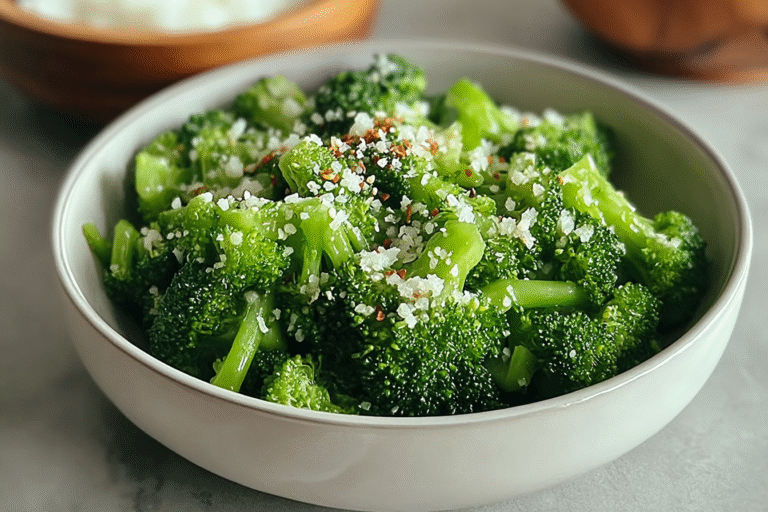
Korean Broccoli Side Dish
🥦 This Korean Broccoli Banchan offers a fresh, crisp side dish bursting with savory garlic and nutty sesame flavors.
🌶️ Quick to prepare, it adds authentic Korean flair and a perfect balance of heat and umami to any meal.
- Total Time: 10 minutes
- Yield: 4 servings
Ingredients
– 1 lb broccoli, cut into florets
– 1 to 2 teaspoons kosher salt (split for use)
– 1 to 2 tablespoons sesame oil
– 2 to 3 cloves garlic, minced
– Sesame seeds
– Soy sauce (optional, a splash for extra flavor)
– Gochugaru flakes (optional, for heat)
Instructions
1-Getting Started with Prep: First, gather and measure your ingredients to make the process smooth. Wash 1 lb of broccoli and cut it into even florets so they cook uniformly, then mince 2 to 3 cloves of garlic. Having everything ready, or mise en place, helps prevent overcooking and keeps things organized for this Korean broccoli side dish. This step takes just about 5 minutes of prep time, setting you up for success whether you’re blanching or sautéing.
2-Blanching or Cooking the Broccoli: Bring a large pot of water with 1 teaspoon of salt to a boil. Blanch the broccoli florets for 2 minutes or add 1 minute for a softer texture until they turn bright green. Immediately transfer them to an ice bath to stop cooking, which helps maintain that crisp texture as mentioned in the tips. After draining and patting dry, you’re ready to season, with the whole cook time clocking in at just 5 minutes for a total of 10 minutes.
For added variety, you could steam or roast the broccoli, but blanching works best here. Once done, the broccoli should be tender-crisp, making it a perfect base for the flavors ahead. This method ensures your Korean broccoli side dish stays vibrant and full of nutrients.
3-Making and Applying the Seasoning: Place the drained broccoli in a mixing bowl and season it with 1 to 2 tablespoons of sesame oil, the minced garlic, and salt to taste. Adjust the seasoning as needed to balance the flavors, then optionally add a splash of soy sauce or gochugaru flakes for extra taste. These simple steps bring out the nutty and savory notes that define this dish. Keep an eye on the amounts based on your preferences, as suggested in the tips, to make it just right.
4-Finishing Touches: Garnish with sesame seeds and give everything a good toss. Your Korean broccoli side is now ready to serve and enjoy, ideally with other dishes for a complete meal. This quick prep highlights why it’s a favorite for busy schedules, and for more dessert ideas to pair with it, check out our strawberry shortcake trifle recipe. Remember, the goal is a dish that’s flavorful and easy to customize.
Last Step:
Please leave a rating and comment letting us know how you liked this recipe! This helps our business to thrive and continue providing free, high-quality recipes for you.Notes
🌿 Blanch broccoli briefly to preserve crisp texture.
❄️ Use an ice bath right after blanching to halt cooking and retain color.
🌶️ Customize seasoning by adjusting salt, sesame oil, or adding soy sauce and gochugaru for spice.
- Prep Time: 5 minutes
- Cook Time: 5 minutes
- Category: Side Dish
- Method: Blanching, Tossing
- Cuisine: Korean
Nutrition
- Serving Size: 1/4 recipe