Why You’ll Love This Japanese Katsu Bowls
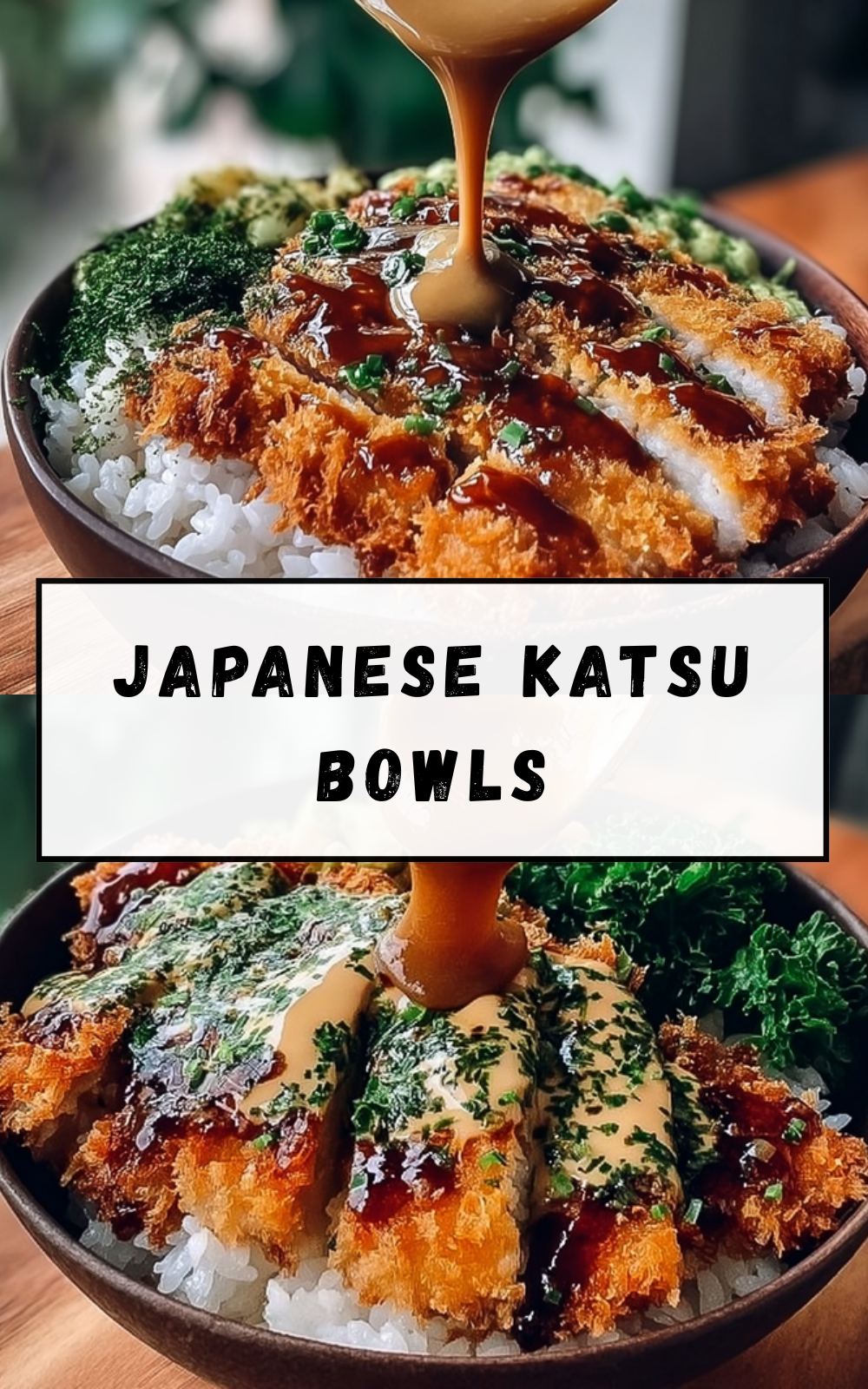
As someone who loves whipping up easy meals, I find Japanese Katsu Bowls to be a game-changer for busy days. These bowls feature crispy breaded chicken served over rice with fresh veggies and a flavorful marinade, making them a complete meal that’s perfect for family dinners. You’ll appreciate how this recipe comes together in about 45 minutes, with just 30 minutes of prep and 15 minutes of cooking, leaving you more time to enjoy your evening.
One reason these bowls stand out is their ease of preparation pounding thin cutlets, dredging in flour, egg, and panko, then frying for 3 4 minutes per side at 350°F (175°C) makes it simple for anyone, even beginners. Health-wise, they offer benefits like lean protein from chicken breast and fiber from veggies such as edamame and cabbage, which you can adapt for a balanced meal. Plus, when you add elements like the spicy mayo sauce from the recipe, it brings a balanced heat and sweetness that enhances every bite.
The versatility of Japanese Katsu Bowls is another highlight, as they adapt to various diets by swapping ingredients like tofu for chicken in vegan versions or using gluten-free panko. What really makes these bowls special is the contrast of textures the golden, crunchy crust paired with tender chicken and tangy toppings creates a satisfying experience. Whether you’re a student rushing through dinner or a working professional, this dish encourages you to get creative in the kitchen and make it your own.
Jump to:
- Why You’ll Love This Japanese Katsu Bowls
- Essential Ingredients for Japanese Katsu Bowls
- Main Ingredients
- Special Dietary Options
- How to Prepare the Perfect Japanese Katsu Bowls: Step-by-Step Guide
- First Step: Mise en Place and Prepping the Protein
- Second Step: Bread the Cutlets
- Third Step: Heat the Oil and Fry
- Fourth Step: Prepare the Rice and Vegetables
- Fifth Step: Make the Katsu Sauce
- Sixth Step: Slice and Assemble
- Final Step: Serve and Adapt
- Dietary Substitutions to Customize Your Japanese Katsu Bowls
- Protein and Main Component Alternatives
- Vegetable, Sauce, and Seasoning Modifications
- Mastering Japanese Katsu Bowls: Advanced Tips and Variations
- Pro Cooking Techniques
- Flavor Variations
- How to Store Japanese Katsu Bowls: Best Practices
- FAQs: Frequently Asked Questions About Japanese Katsu Bowls
- What is a Japanese Katsu Bowl?
- How do you make homemade chicken katsu for a Katsu Bowl?
- What sauces are traditionally served with a Japanese Katsu Bowl?
- Can I use other meats or ingredients in a Katsu Bowl?
- How should I store and reheat leftover Katsu Bowls?
- Japanese Katsu Bowls
- Ingredients
- Instructions
- Last Step:
- Notes
- Nutrition
- Did you make this recipe?
Essential Ingredients for Japanese Katsu Bowls
To create delicious Japanese Katsu Bowls, start with the right ingredients that bring out the crispy texture and fresh flavors. This section combines the core items from the recipe with those from the summary to ensure you have everything needed. Remember, the marinade and spicy mayo sauce add that extra zest, so don’t skip them.
Main Ingredients
- 1 lb (450g) boneless chicken breasts or chicken cutlets the main protein for a tender, juicy katsu; use for quick frying as described.
- 1 cup (100g) panko breadcrumbs produces the classic light, airy crunch; mix with sesame seeds for breading as per the recipe directions.
- 1 cup (125g) all-purpose flour helps the egg adhere and creates a uniform crust; opt for gluten-free if needed.
- 2 large eggs, beaten binds the panko to the protein for even browning.
- Vegetable oil for frying, about 2 3 cups ensures even, hot frying at around 350°F (175°C) for a crisp finish; adjust based on your pan.
- 3 cups cooked short-grain white rice or rice serves as the base for layering your katsu and veggies.
- 2 cups shredded cabbage adds freshness and crunch to balance the fried chicken.
- 1/2 cup katsu sauce the tangy-sweet umami glaze that ties it all together; for the spicy mayo sauce, you’ll need olive oil mayo, sriracha, soy sauce or tamari, and honey as listed below.
- Tamari or soy sauce essential for the marinade and cooking edamame; adjust to control saltiness.
- Toasted sesame oil flavors the marinade with a nutty touch.
- Honey sweetens the marinade and spicy mayo sauce for that perfect balance.
- Grated ginger adds zing to the marinade.
- Chopped green onions used in the marinade and as a fresh topping.
- Sesame seeds mix into breading and sprinkle for extra flavor.
- Chili flakes brings heat to the marinade.
- Frozen shelled edamame cook in the same skillet for added protein and nutrition.
- Cucumber slices for topping to add crunch.
- Avocado provides creamy texture in the bowls.
- Pickled ginger offers a tangy contrast.
- Nori sheets for a seaweed garnish that enhances the Japanese vibe.
Special Dietary Options
For the spicy mayo sauce specifically: olive oil mayo, sriracha, soy sauce or tamari, and honey. Each ingredient is key to achieving the balanced heat and sweetness that makes this topping essential.
| Dietary Need | Substitution |
|---|---|
| Vegan | Replace chicken with 14 oz (400g) firm tofu, use flax or aquafaba egg wash, and plant-based panko. |
| Gluten-free | Use rice flour instead of all-purpose flour and certified gluten-free panko; swap soy sauce with tamari. |
| Low-calorie | Air-fry chicken and serve over cauliflower rice with a light sauce drizzle. |
Nutritional info to note: Each serving has about 924 calories, so keep an eye on portions if you’re watching your intake.
How to Prepare the Perfect Japanese Katsu Bowls: Step-by-Step Guide
Let’s dive into making Japanese Katsu Bowls, starting with getting your ingredients ready. Begin by preparing the marinade using tamari or soy sauce, sesame oil, honey, grated ginger, chopped green onions, sesame seeds, and chili flakes, then soak the chicken briefly for that flavorful base. Once prepped, it’s all about the breading and frying to get that crispy texture.
First Step: Mise en Place and Prepping the Protein
Trim 1 lb (450g) of chicken breasts and pound to an even thickness. Season and set up your breading station with flour, eggs, and panko mixed with sesame seeds.
Second Step: Bread the Cutlets
Dredge the chicken in flour, dip in eggs, and press into panko for a solid coating. Let it rest to help it stick better.
Third Step: Heat the Oil and Fry
Heat oil to 350°F (175°C) and fry until golden. For a healthier twist, like in the summary, you can pan-fry as directed and then cook edamame in the same skillet with soy sauce. Check this guide for crispy panko tips.
Fourth Step: Prepare the Rice and Vegetables
Steam your rice and shred cabbage while the chicken cooks.
Fifth Step: Make the Katsu Sauce
Combine ingredients for the spicy mayo sauce: olive oil mayo, sriracha, soy sauce or tamari, and honey, as outlined in the recipe.
Sixth Step: Slice and Assemble
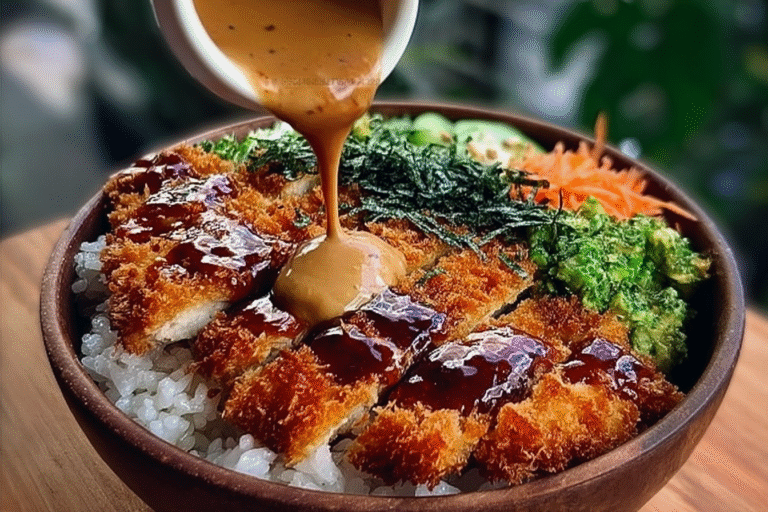
Slice the chicken and layer over rice with veggies like cucumber, avocado, pickled ginger, green onions, and nori sheets. Drizzle with spicy mayo and any boiled leftover marinade for safety.
Final Step: Serve and Adapt
Serve right away and adjust for dietary needs, like adding mushrooms or carrots as suggested in the tips. This dish is versatile for any night, just like the summary describes. For more sweet treats to follow, try our banana oat chocolate chip cookies recipe for a fun dessert.

Dietary Substitutions to Customize Your Japanese Katsu Bowls
Japanese Katsu Bowls are all about flexibility, so let’s talk swaps to fit your needs. For instance, if you’re aiming for a lower-sodium version, use coconut aminos instead of soy sauce, as mentioned in the tips. This helps control saltiness while keeping the flavors vibrant.
Protein and Main Component Alternatives
- Chicken → Pork loin for a classic twist.
- Chicken/Pork → Firm tofu for vegan options.
- More ideas include eggplant or seitan as outlined earlier.
Vegetable, Sauce, and Seasoning Modifications
As the summary notes, add toppings like mushrooms or scallions for variation.
This dish is versatile and quick, allowing you to enhance the crispy chicken with spicy mayo for that balanced heat.
Mastering Japanese Katsu Bowls: Advanced Tips and Variations
To take your Japanese Katsu Bowls to the next level, focus on pro techniques like dry-brining for better flavor. For the spicy mayo sauce, remember it provides essential heat and sweetness. Learn about edamame’s health perks to see why it’s a great addition.
Pro Cooking Techniques
- Dry-brine cutlets for moisture.
- Maintain oil temperature for perfect frying.
Flavor Variations
Try miso-katsu or curry versions for fun twists.
How to Store Japanese Katsu Bowls: Best Practices
Storing your Japanese Katsu Bowls keeps them fresh for later. Keep components separate, like the cooked cutlets in a lined container, and reheat to restore crispness. For meal prep, this method makes it easy, especially with dietary swaps.
FAQs: Frequently Asked Questions About Japanese Katsu Bowls
What is a Japanese Katsu Bowl?
How do you make homemade chicken katsu for a Katsu Bowl?
What sauces are traditionally served with a Japanese Katsu Bowl?
Can I use other meats or ingredients in a Katsu Bowl?
How should I store and reheat leftover Katsu Bowls?
Japanese Katsu Bowls
🍗 Enjoy the satisfying crunch and rich flavor of Crispy Chicken Katsu Bowls paired with savory sauce and fresh rice.
🥢 This recipe combines crispy breaded chicken with vibrant vegetables and a zesty spicy mayo, making it a wholesome and delicious meal choice.
- Total Time: 45 minutes
- Yield: 4 servings 1x
Ingredients
1 lb (450g) boneless chicken breasts or chicken cutlets the main protein for a tender, juicy katsu; use for quick frying as described
1 cup (100g) panko breadcrumbs produces the classic light, airy crunch; mix with sesame seeds for breading as per the recipe directions
1 cup (125g) all-purpose flour helps the egg adhere and creates a uniform crust; opt for gluten-free if needed
2 large eggs, beaten binds the panko to the protein for even browning
Vegetable oil for frying, about 2 3 cups ensures even, hot frying at around 350°F (175°C) for a crisp finish; adjust based on your pan
3 cups cooked short-grain white rice or rice serves as the base for layering your katsu and veggies
2 cups shredded cabbage adds freshness and crunch to balance the fried chicken
1/2 cup katsu sauce the tangy-sweet umami glaze that ties it all together
Tamari or soy sauce essential for the marinade and cooking edamame; adjust to control saltiness
Toasted sesame oil flavors the marinade with a nutty touch
Honey sweetens the marinade and spicy mayo sauce for that perfect balance
Grated ginger adds zing to the marinade
Chopped green onions used in the marinade and as a fresh topping
Sesame seeds mix into breading and sprinkle for extra flavor
Chili flakes brings heat to the marinade
Frozen shelled edamame cook in the same skillet for added protein and nutrition
Cucumber slices for topping to add crunch
Avocado provides creamy texture in the bowls
Pickled ginger offers a tangy contrast
Nori sheets for a seaweed garnish that enhances the Japanese vibe
olive oil mayo for spicy mayo sauce
sriracha for spicy mayo sauce
soy sauce or tamari for spicy mayo sauce
honey for spicy mayo sauce
Instructions
First Step: Mise en Place and Prepping the Protein Trim 1 lb (450g) of chicken breasts and pound to an even thickness. Season and set up your breading station with flour, eggs, and panko mixed with sesame seeds.
Second Step: Bread the Cutlets Dredge the chicken in flour, dip in eggs, and press into panko for a solid coating. Let it rest to help it stick better.
Third Step: Heat the Oil and Fry Heat oil to 350°F (175°C) and fry until golden. For a healthier twist, like in the summary, you can pan-fry as directed and then cook edamame in the same skillet with soy sauce. Check this guide for crispy panko tips.
Fourth Step: Prepare the Rice and Vegetables Steam your rice and shred cabbage while the chicken cooks.
Fifth Step: Make the Katsu Sauce Combine ingredients for the spicy mayo sauce: olive oil mayo, sriracha, soy sauce or tamari, and honey, as outlined in the recipe.
Sixth Step: Slice and Assemble Slice the chicken and layer over rice with veggies like cucumber, avocado, pickled ginger, green onions, and nori sheets. Drizzle with spicy mayo and any boiled leftover marinade for safety.
Final Step: Serve and Adapt Serve right away and adjust for dietary needs, like adding mushrooms or carrots as suggested in the tips. This dish is versatile for any night, just like the summary describes. For more sweet treats to follow, try our banana oat chocolate chip cookies recipe for a fun dessert.
Last Step:
Please leave a rating and comment letting us know how you liked this recipe! This helps our business to thrive and continue providing free, high-quality recipes for you.Notes
🍶 Boil leftover marinade before serving if it has been in contact with raw chicken for safety.
⚖️ Adjust soy sauce quantity to control the saltiness of the dish.
🥕 Add other vegetables like mushrooms, scallions, carrots, or cabbage to customize and enhance the bowls.
- Prep Time: 30 minutes
- Cook Time: 15 minutes
- Cook Time: 15 minutes
- Category: Main Dish
- Method: Pan-frying, Mixing
- Cuisine: Japanese
Nutrition
- Serving Size: 1 bowl
- Calories: 924