Why You’ll Love This Baked Salmon Recipe
Finding a dinner option that satisfies the whole family without keeping you in the kitchen for hours can feel like a challenge. This baked salmon recipe solves that problem by offering a meal that is both incredibly nutritious and bursting with flavor. Whether you are a busy parent looking for a quick weeknight fix or a student wanting to eat healthy on a budget, this dish fits the bill perfectly.
- Ease of preparation: You do not need advanced culinary skills to make this dish. From start to finish, the process takes less than 30 minutes. Simply season the fish, pop it in the oven, and you have a delicious meal ready. It is the ultimate solution for those hectic evenings when you want something homemade but do not have the energy for a complicated cooking project.
- Health benefits: Salmon is often called a superfood, and for good reason. It is loaded with high-quality protein and essential omega-3 fatty acids. Including this fish in your diet supports heart health and brain function. By baking rather than frying, you keep the calorie count lower while preserving the vital nutrients that make salmon so good for you.
- Versatility: This recipe adapts easily to whatever you have in your pantry or fridge. You can serve it with roasted vegetables for a low-carb meal, over a bed of rice for a more filling dinner, or flaked into a salad for lunch the next day. It works for various dietary needs, including gluten-free and keto diets, making it a safe go-to for almost any guest.
- Distinctive flavor: The combination of garlic, butter, and fresh lemon creates a bright and savory profile that feels gourmet. The natural richness of the salmon pairs perfectly with the acidity of the citrus and the aromatic herbs. It tastes like something you would order at a nice restaurant, yet it comes together with minimal effort in your own kitchen.
Jump to:
- Why You’ll Love This Baked Salmon Recipe
- Essential Ingredients for Baked Salmon Recipe
- Main Ingredients
- Special Dietary Options
- How to Prepare the Perfect Baked Salmon Recipe: Step-by-Step Guide
- First Step: Preparation and Mise en Place
- Second Step: Creating the Flavorful Marinade
- Third Step: Baking to Perfection
- Fourth Step: Resting for Moisture
- Final Step: Garnishing and Serving
- Protein and Main Component Alternatives
- Other Fish Options
- Non-Fish Substitutes
- Vegetable, Sauce, and Seasoning Modifications
- Vegetable Pairings
- Sauce and Seasoning Twists
- Mastering Baked Salmon Recipe: Advanced Tips and Variations
- Pro Cooking Techniques
- Presentation Tips
- Make-Ahead Options
- How to Store Baked Salmon Recipe: Best Practices
- Refrigeration
- Freezing
- Reheating
- FAQs: Frequently Asked Questions About Baked Salmon Recipe
- How long to bake salmon at 400 degrees?
- What temperature should I bake salmon in the oven?
- How do you make baked salmon moist and flaky?
- Is baked salmon healthy?
- What sides go with baked salmon?
- Baked Salmon Recipe
- Ingredients
- Instructions
- Last Step:
- Notes
- Nutrition
- Did you make this recipe?
Essential Ingredients for Baked Salmon Recipe
Creating a memorable meal starts with choosing the right components. This simple baked salmon recipe relies on fresh ingredients that let the fish shine. Here is everything you need to gather before you begin cooking.
Main Ingredients
4 Salmon fillets (about 6 ounces each) – The star of the dish, rich in protein and healthy fats.
2 tablespoons Olive oil – Helps keep the salmon moist and promotes even browning.
4 tablespoons Unsalted butter, melted – Adds richness and a luxurious mouthfeel to the finished dish.
3 cloves Garlic, minced – Provides a pungent, savory depth of flavor.
1 large Lemon – Both the juice and zest add a bright, fresh acidity that cuts through the richness.
1 tablespoon Fresh dill, chopped – Offers a subtle, herbaceous note that pairs beautifully with fish.
1 teaspoon Salt – Essential for seasoning and enhancing the natural flavors of the salmon.
1/2 teaspoon Black pepper – Adds a mild heat and complexity.
1/2 teaspoon Paprika – Optional, for a touch of smokiness and a beautiful golden color.
Special Dietary Options
- Vegan: Substitute salmon fillets with thick slices of hearts of palm or carrots seasoned with liquid smoke. Use olive oil or vegan butter in place of dairy butter.
- Gluten-free: This recipe is naturally gluten-free. However, always double-check your spices to ensure no anti-caking agents containing gluten are present.
- Low-calorie: Reduce the amount of butter to one tablespoon or swap it for additional lemon juice and broth to lower the fat content without sacrificing moisture.
How to Prepare the Perfect Baked Salmon Recipe: Step-by-Step Guide
Follow these detailed instructions to ensure your salmon turns out flaky, moist, and full of flavor every single time. This oven baked salmon method is foolproof and delivers consistent results.
First Step: Preparation and Mise en Place
Start by preheating your oven to 400 degrees Fahrenheit. This temperature is high enough to create a nice exterior while keeping the inside tender. While the oven heats up, line a baking sheet with parchment paper or aluminum foil. This makes cleanup incredibly easy and prevents the fish from sticking to the pan.
Next, prepare your salmon fillets. Pat them dry with paper towels. Removing excess moisture is crucial because it allows the skin to crisp up nicely and helps the seasonings adhere rather than sliding off. If your fillets vary greatly in thickness, you can fold the thinner tails under to create a more uniform thickness. This ensures the fish cooks evenly so you do not end up with dry edges and undercooked centers.
Second Step: Creating the Flavorful Marinade
In a small bowl, whisk together the melted butter, olive oil, minced garlic, lemon juice, and lemon zest. Add the salt, pepper, paprika, and fresh dill. Whisk until the mixture is well combined and emulsified. This liquid gold is going to infuse the fish with incredible taste.
Place the salmon fillets on the prepared baking sheet, skin-side down. Using a brush or a spoon, generously pour the garlic butter mixture over each fillet. Make sure to cover the top completely. Do not forget the sides. This baste creates a protective layer that locks in moisture during the baking process.
Third Step: Baking to Perfection
Place the baking sheet in the center rack of your preheated oven. Bake for about 12 to 15 minutes. The exact time depends on the thickness of your fillets. You will know the salmon is done when it flakes easily with a fork and the flesh turns opaque. For the most accurate result, you can use a meat thermometer. The internal temperature should reach 145 degrees Fahrenheit at the thickest part of the fish.
Avoid the temptation to overcook it. Salmon continues to cook slightly even after you take it out of the oven due to residual heat. Removing it when it is slightly translucent in the very center is a good practice, as it will finish cooking on the pan.
Fourth Step: Resting for Moisture
Once the salmon is out of the oven, let it rest on the baking sheet for about 5 minutes. This step is often overlooked, but it is important. Resting allows the juices to redistribute throughout the fish rather than running out immediately when you cut into it. If you skip this, you might end up with drier meat. Use this time to toss a quick salad or set the table.
Final Step: Garnishing and Serving
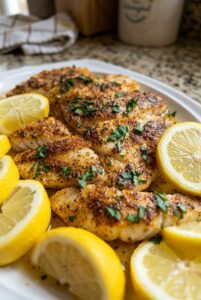
Transfer the fillets to a serving platter using a wide spatula. Be careful, as the fish is delicate and can break apart if handled roughly. Squeeze a little extra fresh lemon juice over the top for a pop of brightness. You can garnish with additional fresh dill or parsley for a beautiful presentation.
Serve this healthy salmon recipe hot. It pairs wonderfully with steamed broccoli, roasted asparagus, or a light quinoa salad. If you are looking for a sweet treat to end the meal on a high note, consider whipping up some banana oat chocolate chip cookies for dessert. The contrast between the savory fish and the sweet cookie is delightful.
Protein and Main Component Alternatives
While salmon is the star here, we understand that availability and preference vary. You can apply this easy salmon recipe cooking method to other types of fish and proteins with excellent results.
Other Fish Options
Arctic Char is a fantastic substitute. It has a similar flavor profile and texture to salmon, with a slightly milder taste and pinker flesh. It cooks at the same rate, so you do not need to adjust the timing. Trout is another excellent choice. Rainbow trout is delicate and flaky. Because trout fillets are often thinner, check them a few minutes early to prevent drying out.
Non-Fish Substitutes
If you prefer white fish, cod or halibut work well with the garlic butter sauce. However, these leaner fish require more attention to prevent them from becoming dry. You might want to reduce the oven temperature to 375 degrees and add a splash of water or white wine to the baking sheet to create steam.
Vegetable, Sauce, and Seasoning Modifications
One of the best things about this salmon fillet recipe is how easily you can customize it. Changing up the sides and seasonings keeps the meal exciting and allows you to use seasonal produce.
Vegetable Pairings
Roasted vegetables are the perfect companion to baked salmon. You can cook them right on the same baking sheet for a one-pan meal. Asparagus, zucchini, cherry tomatoes, and green beans all roast beautifully at 400 degrees. Toss them in a little olive oil, salt, and pepper, and arrange them around the fish. They will be tender and caramelized by the time the salmon is done.
Sauce and Seasoning Twists
For a different flavor profile, try a honey garlic glaze. Replace the fresh dill with a tablespoon of honey in your butter mixture. This adds a sweet and sticky coating that caramelizes in the oven. If you like heat, add red pepper flakes or a dash of cayenne to the marinade for a spicy kick.
Herb substitutions also work wonders. Try swapping dill for basil, parsley, or chives. An Italian herb blend can give the dish a rustic, earthy feel. For an Asian-inspired version, use soy sauce, ginger, and sesame oil instead of butter and lemon. Top with sliced green onions and sesame seeds before serving.
Mastering Baked Salmon Recipe: Advanced Tips and Variations
Once you have mastered the basics, these expert tips will help you take your garlic butter salmon to the next level. These small adjustments can make a big difference in texture and presentation.
Pro Cooking Techniques
For the crispiest skin, do not line your baking sheet with parchment. Instead, lightly grease the sheet with oil and place the salmon skin-side down directly on the metal. The direct contact with the hot pan conducts heat efficiently, rendering the fat and crisping the skin perfectly.
Another technique is the foil packet method. Place the seasoned salmon and vegetables on a large piece of foil, fold the edges to seal it tight, and bake. This steams the fish in its own juices, making it incredibly moist. It is a great option if you are worried about the fish drying out.
Presentation Tips
Plating matters. Serve the salmon on a bed of fluffy couscous or creamy cauliflower mash. A sprinkle of flaky sea salt right before serving adds a professional touch and bursts of flavor. You can also add a dollop of sour cream or Greek yogurt mixed with herbs on top for a creamy element.
Make-Ahead Options
You can mix the marinade ahead of time and store it in the refrigerator for up to three days. You can also season the salmon and keep it in the fridge for a few hours before baking. However, do not add lemon juice more than an hour before cooking, as the acid can start to cook the fish and change the texture.
How to Store Baked Salmon Recipe: Best Practices
Leftovers are a blessing for meal prep, but fish requires careful handling to maintain its quality and safety.
Refrigeration
Let the salmon cool completely before storing it. Place the leftovers in an airtight container and refrigerate within two hours of cooking. It will stay fresh for up to three days. The flavors often meld together and taste even better the next day.
Freezing
If you will not eat the leftovers within three days, freezing is a great option. Wrap the cooled fillets tightly in plastic wrap and then place them in a freezer-safe bag. Remove as much air as possible to prevent freezer burn. You can freeze baked salmon for up to three months.
Reheating
Reheating fish can be tricky because it dries out quickly. The best method is to gently warm it in the oven at a low temperature, around 275 degrees, until just heated through. Alternatively, you can flake the cold salmon into a cold salad or use it to make salmon patties, which requires no reheating at all.

FAQs: Frequently Asked Questions About Baked Salmon Recipe
How long to bake salmon at 400 degrees?
What temperature should I bake salmon in the oven?
How do you make baked salmon moist and flaky?
Is baked salmon healthy?
What sides go with baked salmon?
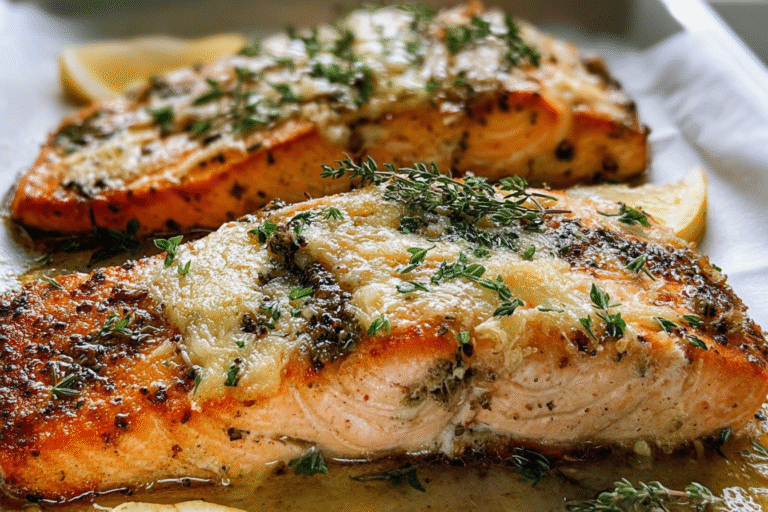
Baked Salmon Recipe
🐟🍋 Flaky omega-3 rich salmon bakes in lemon-garlic herb embrace—heart-healthy protein for effortless wellness.
🔥 20-minute sheet pan simplicity shines solo or with veggies; sustainable superfood upgrades any dinner routine!
- Total Time: 20 minutes
- Yield: 4 servings
Ingredients
– 4 salmon fillets (about 6 ounces each)
– 2 tablespoons olive oil
– 4 tablespoons unsalted butter, melted
– 3 cloves garlic, minced
– 1 large lemon
– 1 tablespoon fresh dill, chopped
– 1 teaspoon salt
– 1/2 teaspoon black pepper
– 1/2 teaspoon paprika
Instructions
1-First Step: Preparation and Mise en Place Start by preheating your oven to 400 degrees Fahrenheit. This temperature is high enough to create a nice exterior while keeping the inside tender. While the oven heats up, line a baking sheet with parchment paper or aluminum foil. This makes cleanup incredibly easy and prevents the fish from sticking to the pan. Next, prepare your salmon fillets. Pat them dry with paper towels. Removing excess moisture is crucial because it allows the skin to crisp up nicely and helps the seasonings adhere rather than sliding off. If your fillets vary greatly in thickness, you can fold the thinner tails under to create a more uniform thickness. This ensures the fish cooks evenly so you do not end up with dry edges and undercooked centers.
2-Second Step: Creating the Flavorful Marinade In a small bowl, whisk together the melted butter, olive oil, minced garlic, lemon juice, and lemon zest. Add the salt, pepper, paprika, and fresh dill. Whisk until the mixture is well combined and emulsified. This liquid gold is going to infuse the fish with incredible taste. Place the salmon fillets on the prepared baking sheet, skin-side down. Using a brush or a spoon, generously pour the garlic butter mixture over each fillet. Make sure to cover the top completely. Do not forget the sides. This baste creates a protective layer that locks in moisture during the baking process.
3-Third Step: Baking to Perfection Place the baking sheet in the center rack of your preheated oven. Bake for about 12 to 15 minutes. The exact time depends on the thickness of your fillets. You will know the salmon is done when it flakes easily with a fork and the flesh turns opaque. For the most accurate result, you can use a meat thermometer. The internal temperature should reach 145 degrees Fahrenheit at the thickest part of the fish. Avoid the temptation to overcook it. Salmon continues to cook slightly even after you take it out of the oven due to residual heat. Removing it when it is slightly translucent in the very center is a good practice, as it will finish cooking on the pan.
4-Fourth Step: Resting for Moisture Once the salmon is out of the oven, let it rest on the baking sheet for about 5 minutes. This step is often overlooked, but it is important. Resting allows the juices to redistribute throughout the fish rather than running out immediately when you cut into it. If you skip this, you might end up with drier meat. Use this time to toss a quick salad or set the table.
5-Final Step: Garnishing and Serving Transfer the fillets to a serving platter using a wide spatula. Be careful, as the fish is delicate and can break apart if handled roughly. Squeeze a little extra fresh lemon juice over the top for a pop of brightness. You can garnish with additional fresh dill or parsley for a beautiful presentation. Serve this healthy salmon recipe hot. It pairs wonderfully with steamed broccoli, roasted asparagus, or a light quinoa salad. If you are looking for a sweet treat to end the meal on a high note, consider whipping up some banana oat chocolate chip cookies for dessert. The contrast between the savory fish and the sweet cookie is delightful.
Last Step:
Please leave a rating and comment letting us know how you liked this recipe! This helps our business to thrive and continue providing free, high-quality recipes for you.Notes
🐟 Room temp salmon 10 min before baking—cooks evenly without cold center.
🍋 Fresh lemon zest amplifies brightness; bottled juice works in pinch.
🔥 Don’t overbake—pull at 135°F internal for juicy pink center.
- Prep Time: 5 minutes
- Cook Time: 15 minutes
- Category: Main Dish
- Method: Baking
- Cuisine: American
- Diet: Pescatarian
Nutrition
- Serving Size: 1 fillet
- Calories: 300 kcal
- Sugar: 0g
- Sodium: 400mg
- Fat: 20g
- Saturated Fat: 4g
- Unsaturated Fat: 14g
- Trans Fat: 0g
- Carbohydrates: 2g
- Fiber: 0g
- Protein: 30g
- Cholesterol: 85mg