
Why You’ll Love This Filet Mignon
Picture this: a juicy, tender steak that cooks up in minutes and turns any meal into a special event. This filet mignon is straightforward for anyone, whether you’re a busy parent rushing through dinner or a student trying something new in the college kitchen. It’s not just easy; it’s packed with flavors that make every bite feel rewarding.
One reason you’ll adore this recipe is its simplicity, taking only about 15-20 minutes of cooking time with minimal ingredients, perfect for hectic weeknights or when you want to impress guests without the hassle. Health-wise, filet mignon is a lean cut full of protein and iron, which supports muscle health and daily energy levels, making it a smart choice for diet-conscious folks. Plus, it’s versatile enough to fit various diets, like gluten-free options, by tweaking seasonings while keeping that rich, buttery taste intact.
This steak’s standout flavor comes from simple techniques that enhance its natural tenderness, turning it into a go-to for food enthusiasts and working professionals alike. Whether you’re a senior enjoying light meals or newlyweds experimenting in the kitchen, this dish adapts to your lifestyle. Its balanced nutrition means you can savor it without guilt, promoting wellness in every forkful.
Jump to:
- Why You’ll Love This Filet Mignon
- Essential Ingredients for Filet Mignon
- Main Ingredients
- Special Dietary Options
- How to Prepare the Perfect Filet Mignon: Step-by-Step Guide
- Dietary Substitutions to Customize Your Filet Mignon
- Protein and Main Component Alternatives
- Vegetable, Sauce, and Seasoning Modifications
- Mastering Filet Mignon: Advanced Tips and Variations
- Pro Cooking Techniques
- Flavor Variations
- Presentation and Make-Ahead Options
- How to Store Filet Mignon: Best Practices
- FAQs: Frequently Asked Questions About Filet Mignon
- What is the best way to check if a Filet Mignon is cooked to the right doneness?
- How long should I rest Filet Mignon after cooking, and why is resting important?
- Do I need to let Filet Mignon come to room temperature before cooking?
- Can I cook Filet Mignon using an air fryer, and what’s the best method?
- How do Filet Mignon steak sizes differ between Europe and the U.S.?
- Filet Mignon
- Ingredients
- Instructions
- Last Step:
- Notes
- Nutrition
- Did you make this recipe?
Essential Ingredients for Filet Mignon
Good ingredients make all the difference in creating a perfect filet mignon, so let’s break down what you need for this recipe. The key is using high-quality items that bring out the steak’s natural flavors without overwhelming them. Below, you’ll find a clear list of everything required, making it easy to shop and prepare.
Main Ingredients
- 2 filet mignons (each about 6-8 ounces or approximately 170-225 grams)
- Salt to taste
- Ground black pepper to taste
- 1 tablespoon neutral cooking oil
- 2 tablespoons unsalted butter
- 5 peeled garlic cloves
- 4 sprigs fresh rosemary
This list covers all the essentials for a flavorful steak. For those looking at smaller portions, you could use petite filet mignons at 3-4 ounces or about 85-113 grams each. Remember, fresh rosemary and garlic add that herbal punch that ties everything together.
Special Dietary Options
If you have specific dietary needs, don’t worry this recipe is flexible. For example, a plant-based alternative could swap the beef for thick portobello mushroom steaks. Everything here is naturally gluten-free, so just check your seasonings. To keep it low-calorie, skip the butter or use a light oil spray to cut down on fats.
As mentioned in a helpful resource on health benefits of beef, this cut provides great nutrients, but always adapt based on your preferences.
How to Prepare the Perfect Filet Mignon: Step-by-Step Guide
Getting filet mignon just right is simpler than you might think, and it starts with letting the meat rest before cooking. This step ensures even cooking and that tender result you’re aiming for. Follow these clear steps to make your steak juicy and full of flavor.
- Remove the filet mignons from the refrigerator 30 to 60 minutes before cooking to bring them to room temperature for even results.
- Unwrap and season generously with salt and ground black pepper on all sides.
- Preheat the oven to 360°F (182°C).
- Heat a medium cast iron skillet over high heat for 3-5 minutes.
- Carefully add 1 tablespoon of neutral cooking oil, then sear the filets for 2-3 minutes per side or 1-2 minutes for petite filets without moving them to form a nice brown crust.
- Remove the skillet from heat, and add 2 tablespoons of unsalted butter, 5 peeled garlic cloves, and 4 sprigs of fresh rosemary.
- Place the skillet in the oven and bake for 2-8 minutes, depending on how you like it done, pulling it out when the internal temperature is 5-10°F below your target.
- Take the steaks out, tent them with foil, and let them rest for 5-10 minutes before serving, spooning over the garlic and butter from the skillet for extra taste.
Using a meat thermometer is key here, as it helps you hit the right internal temperature like 130°F for medium-rare. This method, including about 10 minutes of prep, 10 minutes of cooking, and rest time, keeps things straightforward for home cooks.
For more tips on checking doneness, remember that resting the meat lets juices settle, making your steak even better.

Dietary Substitutions to Customize Your Filet Mignon
Everyone’s dietary needs vary, so customizing your filet mignon can make it fit right into your lifestyle. Whether you’re avoiding certain ingredients or trying new flavors, these swaps keep the dish tasty and accessible. It’s all about making cooking fun and personal for busy parents or health-focused individuals.
Protein and Main Component Alternatives
- Swap the beef filet with portobello mushrooms or tofu steaks for plant-based options.
- Try bison or venison filet if you want a leaner, gamey twist.
Vegetable, Sauce, and Seasoning Modifications
- Replace traditional sides like mashed potatoes with cauliflower mash to cut carbs.
- Use gluten-free tamari instead of soy sauce for those with sensitivities.
- Add low-sodium broth and fresh herbs to boost flavor without extra salt.
- Mix in spices like smoked paprika or cumin for a fresh take.
This flexibility means you can enjoy a tender steak recipe that suits travelers or seniors with ease. By adjusting these elements, you’re personalizing the meal without losing that flavorful steak magic.
Mastering Filet Mignon: Advanced Tips and Variations
Once you’re comfortable with the basics, it’s time to level up your filet mignon game with some pro techniques. These ideas help you create a more impressive dish, whether for family dinners or special occasions. Let’s dive into ways to make your steak even better, incorporating tips for optimal flavor and texture.
Pro Cooking Techniques
Use sous vide cooking to get that precise doneness every time, ensuring a tender texture that wows your guests. Always rest the steaks under foil to keep them juicy and allow for carryover cooking. As a bonus, slice against the grain for the best texture, which helps retain those precious juices.
Flavor Variations
- Try compound butters mixed with herbs and garlic for an extra flavor kick.
- Drizzle on a red wine reduction or balsamic glaze to add a sophisticated touch.
Presentation and Make-Ahead Options
Garnish your filet mignon with microgreens or a sprinkle of sea salt to make it look as good as it tastes. For busy schedules, prepare seasoning rubs ahead or sear steaks partially and finish later.
Remember, using fresh garlic really boosts the taste, and neutral oil is great for searing to avoid burning, as butter comes in later.
If you’re looking for more dessert ideas to pair with your meal, check out our banana bundt cake recipe for a sweet finish. It’s a simple way to round out your dinner table.
| Temperature Guide | Doneness Level |
|---|---|
| 125°F (52°C) | Rare |
| 130°F (54°C) | Medium Rare |
| 140°F (60°C) | Medium |
| 150°F (66°C) | Medium Well |
| 160°F (71°C) | Well Done |
This table sums up the internal temperatures, and note that the USDA suggests 145°F with a 3-minute rest for safety.
How to Store Filet Mignon: Best Practices
Proper storage keeps your filet mignon tasting fresh and safe, which is key for meal prep among working professionals or families. Whether you’re saving leftovers or freezing for later, these steps help maintain quality. It’s all about keeping that tender steak ready for another day.
- For refrigeration, store cooked steak in airtight containers and eat within 3-4 days.
- When freezing, wrap tightly in plastic and foil, or use vacuum-sealed bags, and keep for up to 3 months.
- To reheat, use a low oven or sous vide to prevent overcooking, and steer clear of the microwave.
- Portion steaks individually and label with dates for easy meal planning.
Following these tips ensures your meals stay delicious. For more on garlic’s role, see health benefits of garlic, which can enhance your storage practices.

FAQs: Frequently Asked Questions About Filet Mignon
What is the best way to check if a Filet Mignon is cooked to the right doneness?
How long should I rest Filet Mignon after cooking, and why is resting important?
Do I need to let Filet Mignon come to room temperature before cooking?
Can I cook Filet Mignon using an air fryer, and what’s the best method?
How do Filet Mignon steak sizes differ between Europe and the U.S.?
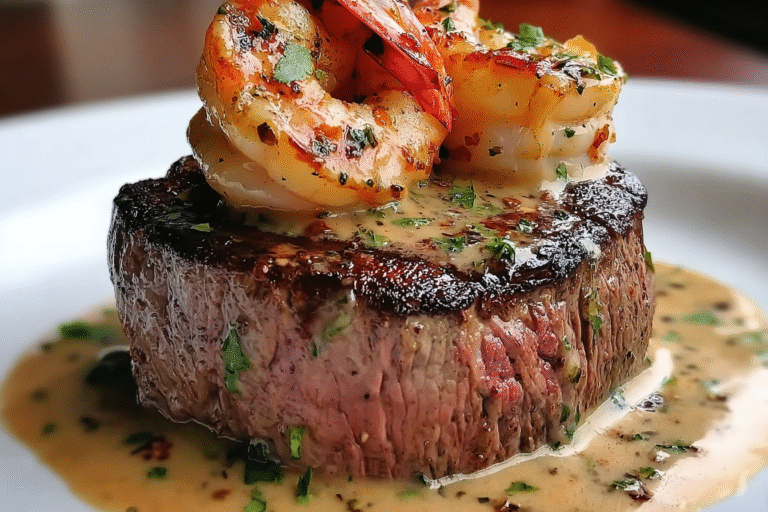
Filet Mignon
🥩 Master the art of cooking perfect filet mignon with this foolproof recipe that delivers restaurant-quality results every time, ensuring tender, juicy steaks with a beautiful crust
🍽️ Impress dinner guests or treat yourself to an elegant, gourmet meal that’s surprisingly simple to prepare with just a few high-quality ingredients and basic cooking techniques
- Total Time: 20-25 minutes plus resting time
- Yield: 2 servings
Ingredients
– 2 filet mignons (each about 6-8 ounces or approximately 170-225 grams)
– Salt to taste
– Ground black pepper to taste
– 1 tablespoon neutral cooking oil
– 2 tablespoons unsalted butter
– 5 peeled garlic cloves
– 4 sprigs fresh rosemary
Instructions
1-Remove the filet mignons from the refrigerator 30 to 60 minutes before cooking to bring them to room temperature for even results.
2-Unwrap and season generously with salt and ground black pepper on all sides.
3-Preheat the oven to 360°F (182°C).
4-Heat a medium cast iron skillet over high heat for 3-5 minutes.
5-Carefully add 1 tablespoon of neutral cooking oil, then sear the filets for 2-3 minutes per side or 1-2 minutes for petite filets without moving them to form a nice brown crust.
6-Remove the skillet from heat, and add 2 tablespoons of unsalted butter, 5 peeled garlic cloves, and 4 sprigs of fresh rosemary.
7-Place the skillet in the oven and bake for 2-8 minutes, depending on how you like it done, pulling it out when the internal temperature is 5-10°F below your target.
8-Take the steaks out, tent them with foil, and let them rest for 5-10 minutes before serving, spooning over the garlic and butter from the skillet for extra taste.
Last Step:
Please leave a rating and comment letting us know how you liked this recipe! This helps our business to thrive and continue providing free, high-quality recipes for you.Notes
🌡️ Use a meat thermometer inserted from the side to check doneness accurately – this is the most reliable way to achieve perfect results every time
🧈 Let the meat rest after cooking to allow juices to redistribute throughout the steak, ensuring maximum tenderness and flavor in every bite
🔥 Use a cast iron skillet for the best sear and crust formation – the heavy, even heat distribution creates that perfect restaurant-quality exterior
- Prep Time: 10 minutes
- Room temperature resting: 30-60 minutes
- Cook Time: 10 minutes
- Category: Main Course
- Method: Pan-searing and oven finishing
- Cuisine: American/French
- Diet: Gluten-free, Keto-friendly, Low-carb
Nutrition
- Serving Size: 1 filet mignon (6-8 ounces)
- Calories: 450
- Sugar: 0g
- Sodium: 120mg
- Fat: 32g
- Saturated Fat: 13g
- Unsaturated Fat: 15g
- Trans Fat: 1g
- Carbohydrates: 0g
- Fiber: 0g
- Protein: 38g
- Cholesterol: 120mg