Why You’ll Love This Japanese Soba Noodles
- Ease of preparation: This quick Japanese soba noodles recipe is ready in about 15 minutes total, with only around 10 minutes of prep and about 5 minutes of cooking.
- Health benefits: Soba noodles have a nutty flavor and are traditionally made from buckwheat, which naturally adds a bit more protein and fiber than many wheat-based pastas. The sauce also stays light, so you can keep it vegetarian, vegan, and dairy-free.
- Versatility: You can customize it with tofu, eggs, shrimp, salmon, or whatever vegetables you have on hand. It also can be gluten-free depending on the soba noodle brand you choose.
- Distinctive flavor: The combination of soy sauce, rice vinegar, honey (or maple syrup), miso paste, garlic, and toasted sesame oil tastes savory-sweet with a gentle tang and rich aroma.
And yes, it’s one of those meals that tastes like you tried a little harder than you actually did.
Quick pro tip: Rinsing the noodles after cooking is the secret to keeping them from turning gummy and to helping them absorb the sauce better.
If you like simple, fast recipes, you might also enjoy these banana oat chocolate chip cookies for a sweet finish after a quick dinner.
Jump to:
- Why You’ll Love This Japanese Soba Noodles
- Essential Ingredients for Japanese Soba Noodles
- Dietary options at a glance
- How to Prepare the Perfect Japanese Soba Noodles: Step-by-Step Guide
- Timing and prep notes
- Dietary Substitutions to Customize Your Japanese Soba Noodles
- Protein and main component alternatives
- Vegetable, sauce, and seasoning modifications
- Mastering Japanese Soba Noodles: Advanced Tips and Variations
- Pro cooking techniques
- Flavor variations and presentation ideas
- Make-ahead options for busy schedules
- How to Store Japanese Soba Noodles: Best Practices
- Refrigeration
- Freezing
- Reheating
- Meal prep considerations
- FAQs: Frequently Asked Questions About Japanese Soba Noodles
- What are Japanese soba noodles?
- How do you cook soba noodles?
- What’s the difference between soba noodles and pasta?
- Are soba noodles gluten-free?
- Can you make soba noodle dishes ahead of time?
- Japanese Soba Noodles
- Ingredients
- Instructions
- Last Step:
- Notes
- Nutrition
- Did you make this recipe?
Essential Ingredients for Japanese Soba Noodles
Below are the exact ingredients for this quick soba noodles recipe. You can swap a few items based on your diet, but the core flavor comes from the sesame oil, miso, and balanced sauce.
- 8 ounces soba noodles – The base of the dish; nutty buckwheat flavor is the goal.
- 1/4 cup regular soy sauce (or tamari or coconut aminos as substitutes) – Provides salty, savory depth.
- 3 tablespoons toasted sesame oil (toasted, not regular sesame oil) – Adds that strong nutty aroma.
- 2 tablespoons rice vinegar – Brightens the sauce with a mild tang.
- 1 tablespoon honey or maple syrup – Balances salty flavors with a touch of sweetness.
- 1 tablespoon miso paste (white or yellow preferred) – Adds umami and a smooth savory finish.
- 1 teaspoon grated garlic – Brings warmth and aroma.
- 4 green onions – Sliced and stirred in for fresh bite.
- Sriracha to taste (optional) – Adds heat if you want it.
- Toasted sesame seeds for garnish – Adds crunch and a final nutty layer.
- Optional protein add-ons: eggs (fried or poached), tofu (baked or pan-fried), shrimp, salmon, or other seafood – Choose one based on your preference.
- Optional vegetables: shredded carrots, cucumber slices, avocado, cooked edamame, or other preferred vegetables – Add for texture, color, and extra nutrients.
Dietary options at a glance
| Dietary need | How this recipe fits |
|---|---|
| Vegetarian | Yes, by default with optional tofu or eggs. |
| Vegan | Yes, use vegan toppings like tofu and skip eggs. |
| Plant-based and dairy-free | Yes, with plant-based add-ons. |
| Gluten-free | Possible depending on soba noodle choice and soy sauce substitute. |
Remember, not every package of soba is the same. Some brands mix wheat flour in, so check the label if gluten-free matters to you.
How to Prepare the Perfect Japanese Soba Noodles: Step-by-Step Guide
Let’s walk through the process in a way that’s easy to follow even on a busy weeknight. This recipe focuses on building a flavorful sauce and then pairing it with perfectly cooked Japanese soba noodles.
First Step: Cook the soba noodles
Bring a large pot of water to a boil and cook soba according to package instructions, usually about 4 to 5 minutes. Stir gently so the noodles do not clump together.
Second Step: Rinse right away to remove starch
As soon as the noodles are done, immediately rinse them under cool running water in a fine mesh strainer. Gently toss while rinsing to remove starch.
Keep rinsing until the water runs clear, then shake off excess water. This helps prevent gummy noodles and supports that clean, saucy texture.
Third Step: Mix the sauce
In a medium bowl, whisk together 1/4 cup soy sauce, 3 tablespoons toasted sesame oil, 2 tablespoons rice vinegar, 1 tablespoon honey or maple syrup, 1 tablespoon miso paste, and 1 teaspoon grated garlic until smooth.
If you want a little heat, add sriracha to taste (optional).
Fourth Step: Prep the green onions
Thinly slice 4 green onions diagonally, using both the white and green parts. This gives you a mix of mild onion sweetness and fresh crunch.
Final Step: Combine, serve, and garnish
Return rinsed noodles to a bowl or pan. Stir in the sauce and green onions thoroughly so every strand gets coated.
Serve in bowls and garnish with toasted sesame seeds. Add optional toppings like eggs, tofu, or seafood.
Warm option: If you plan to serve warm, you can run the noodles briefly under warm water before saucing.
Timing and prep notes
- Prep time: about 10 minutes
- Cook time: about 5 minutes
- Total time: roughly 15 minutes
If you’re serving cold, you can enjoy the noodles at room temperature too, which makes this recipe a great meal prep choice for lunch bowls.
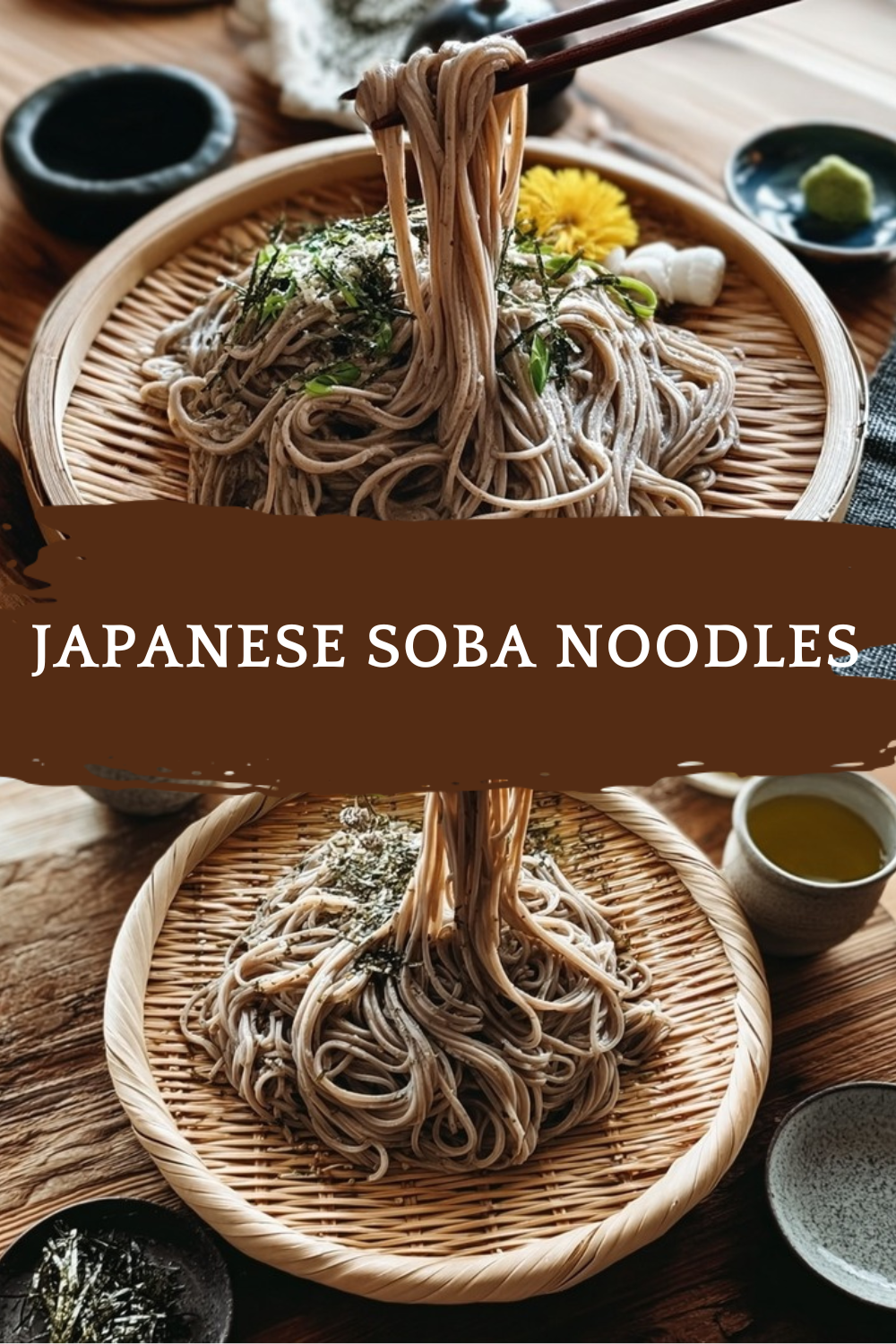
For an easy reference on cold soba styles, you can also check zaru soba basics.

Dietary Substitutions to Customize Your Japanese Soba Noodles
Protein and main component alternatives
The sauce is flavorful enough that it works with many proteins. Pick one and build your bowl around it.
- Tofu: Bake or pan-fry tofu until golden for a crispy bite.
- Eggs: Fry or poach an egg and place it on top for extra richness.
- Shrimp or salmon: Cook quickly in a hot pan, then add to the noodles when ready to serve.
- Other seafood: Scallops, prawns, or even a simple cooked crab option also work well.
Want to keep it plant-based? Choose tofu and skip eggs. The base recipe is already designed to be vegetarian, vegan, plant-based, and dairy-free.
Vegetable, sauce, and seasoning modifications
Next, adjust the add-ons based on what’s in your fridge. These bowls are flexible, so don’t stress about exact vegetables.
- Vegetables: shredded carrots, cucumber slices, avocado, cooked edamame, or other favorites.
- Extra crunch: add more green onion or a few sesame seeds at the table.
- Heat level: use sriracha to taste, or skip it completely.
- Soy sauce swaps: use tamari or coconut aminos in place of regular soy sauce when desired.
To keep gluten out, choose a soba brand labeled 100% buckwheat or check for certified gluten-free. Traditional soba is often mixed with wheat flour, so label reading matters.
Mastering Japanese Soba Noodles: Advanced Tips and Variations
Once you nail the basics, you can make this recipe feel new every time. Here are practical tips that improve texture and flavor.
Pro cooking techniques
- Use toasted sesame oil: Toasted sesame oil has a stronger nutty flavor than regular sesame oil.
- Rinse to avoid gummy noodles: The rinse step is essential. It removes starch and helps the sauce cling better.
- Toast your sesame seeds: Toast sesame seeds in a dry pan for about 3 minutes until fragrant, then cool before garnishing.
- Find your noodle brand: Different soba brands have different thickness and texture. Try a couple to find your favorite.
Flavor variations and presentation ideas
You can also adjust the flavor direction while keeping the core sauce method.
- Sweet-leaning: add a touch more honey or maple syrup if you like a softer, rounded taste.
- Garlic-forward: use freshly grated garlic for a brighter bite.
- Vegetable mix: try a cucumber and avocado topping for a cooling vibe.
- Sesame-forward: add extra toasted sesame seeds right before serving.
Presentation tip: Serve noodles in shallow bowls, then arrange toppings on top instead of mixing everything in. It looks great and keeps delicate toppings from getting soggy.
If you love making quick meals with small upgrades, this pairs nicely with your dessert habit too. You can browse strawberry shortcake trifles when you want something fruity after dinner.
Make-ahead options for busy schedules
- Prepare the sauce early: The sauce can be made up to 3 days ahead and stored in the refrigerator.
- Cook noodles close to serving: For best texture, cook and assemble just before you eat.
- Meal prep style: Soba noodles can be enjoyed warm, at room temperature, or cold, which makes lunch bowls easy.
Best texture rule: cook the noodles, rinse them, and toss with sauce right before serving whenever possible.
How to Store Japanese Soba Noodles: Best Practices
Storing leftovers is where most quick noodle meals can lose quality. With soba, it helps to follow the right approach based on whether your noodles are mixed or plain.
Refrigeration
- Store cooked noodles in an airtight container.
- For best quality, keep them from sitting too long once sauced.
- Refrigerate promptly after cooling to room temperature.
Freezing
- Freezing is not ideal for the best texture, but it can work if you need it for a later meal.
- If you do freeze, cool noodles fully first and pack tightly to reduce freezer burn.
Reheating
- To revive texture, reheat gently, ideally in a broth or warm sauce.
- Avoid high heat that can overcook delicate noodles.
Meal prep considerations
If you meal prep, consider keeping components separate: store sauce and toppings separately from cooked noodles. Then cook and assemble fresh so your Japanese soba noodles stay tender, not gummy.
FAQs: Frequently Asked Questions About Japanese Soba Noodles
What are Japanese soba noodles?
How do you cook soba noodles?
What’s the difference between soba noodles and pasta?
Are soba noodles gluten-free?
Can you make soba noodle dishes ahead of time?
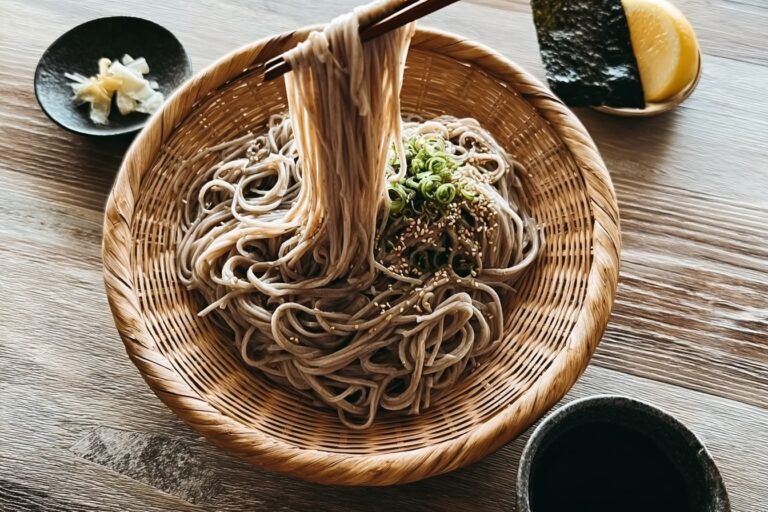
Japanese Soba Noodles
🍜 Whip up these quick soba noodles in just 15 minutes for a nutty, umami-packed meal that’s perfect for busy days and full of wholesome buckwheat goodness!
🥢 Customizable with vegan proteins and veggies, it’s a refreshing, gluten-free option that rinses clean for the perfect saucy texture every time!
- Total Time: 15 minutes
- Yield: 2 servings
Ingredients
– 8 ounces soba noodles
– 1/4 cup regular soy sauce
– 3 tablespoons toasted sesame oil
– 2 tablespoons rice vinegar
– 1 tablespoon honey or maple syrup
– 1 tablespoon miso paste
– 1 teaspoon grated garlic
– 4 green onions
– Sriracha to taste
– Toasted sesame seeds for garnish
Instructions
1-First Step: Cook the soba noodles Bring a large pot of water to a boil and cook soba according to package instructions, usually about 4 to 5 minutes. Stir gently so the noodles do not clump together.
2-Second Step: Rinse right away to remove starch As soon as the noodles are done, immediately rinse them under cool running water in a fine mesh strainer. Gently toss while rinsing to remove starch. Keep rinsing until the water runs clear, then shake off excess water. This helps prevent gummy noodles and supports that clean, saucy texture.
3-Third Step: Mix the sauce In a medium bowl, whisk together 1/4 cup soy sauce, 3 tablespoons toasted sesame oil, 2 tablespoons rice vinegar, 1 tablespoon honey or maple syrup, 1 tablespoon miso paste, and 1 teaspoon grated garlic until smooth. If you want a little heat, add sriracha to taste (optional).
4-Fourth Step: Prep the green onions Thinly slice 4 green onions diagonally, using both the white and green parts. This gives you a mix of mild onion sweetness and fresh crunch.
5-Final Step: Combine, serve, and garnish Return rinsed noodles to a bowl or pan. Stir in the sauce and green onions thoroughly so every strand gets coated. Serve in bowls and garnish with toasted sesame seeds. Add optional toppings like eggs, tofu, or seafood. Warm option: If you plan to serve warm, you can run the noodles briefly under warm water before saucing.
Last Step:
Please leave a rating and comment letting us know how you liked this recipe! This helps our business to thrive and continue providing free, high-quality recipes for you.Notes
💡 Always use toasted sesame oil, not regular, for its intense nutty aroma that defines the dish.
🚿 Rinsing soba noodles under cold water is crucial to remove starch, preventing gumminess and helping sauce cling better.
🌰 Toast sesame seeds in a dry pan for 2-3 minutes to amplify their flavor and add crunch to your bowl.
- Prep Time: 10 minutes
- Cook Time: 5 minutes
- Category: Main Dishes
- Method: Stovetop
- Cuisine: Japanese
- Diet: Vegan
Nutrition
- Serving Size: 4 ounces noodles per serving
- Calories: 520 kcal
- Sugar: 10g
- Sodium: 1800mg
- Fat: 22g
- Saturated Fat: 3.5g
- Unsaturated Fat: 18g
- Trans Fat: 0g
- Carbohydrates: 70g
- Fiber: 5g
- Protein: 14g
- Cholesterol: 0mg