Why You’ll Love This Pasta Primavera Recipe
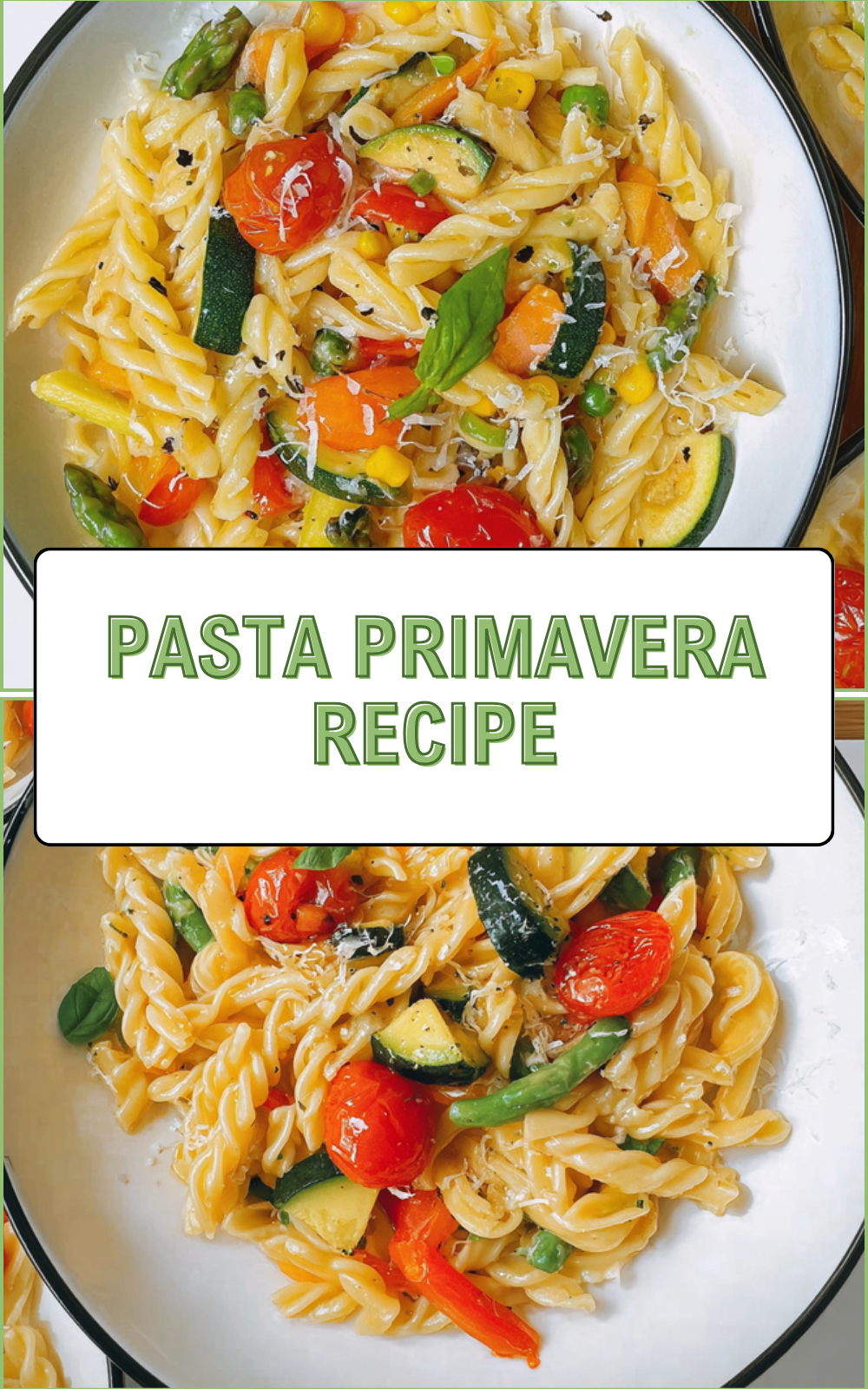
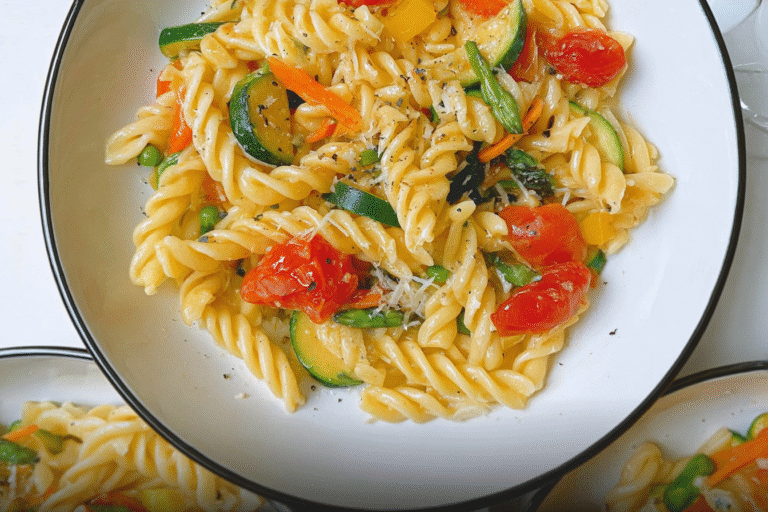
If you’re looking for a delicious, colorful meal that celebrates fresh flavors, this pasta primavera recipe is exactly what you need. This classic Italian-American dish brings together al dente pasta and vibrant spring vegetables in a light, creamy sauce that will have everyone reaching for seconds. Whether you’re a busy parent looking for a quick weeknight dinner or a home cook wanting to impress guests, this recipe offers something special for everyone.
- Ease of preparation: This pasta primavera recipe comes together in just 30 minutes with simple techniques. Even beginners can master this dish with minimal prep work, making it perfect for busy weeknights when you need something nutritious without spending hours in the kitchen. The straightforward steps involve cooking pasta, sautéing vegetables, and combining everything with a flavorful sauce. It’s a foolproof recipe that delivers consistent results every time.
- Health benefits: Packed with nutrient-dense spring vegetables like asparagus, snap peas, and cherry tomatoes, this pasta primavera provides a wealth of vitamins, minerals, and antioxidants. These vegetables contribute fiber, vitamin C, vitamin K, and various phytochemicals that support overall health. By loading up on vegetables and using moderate amounts of cheese and cream, this dish offers a balanced approach to eating that doesn’t sacrifice flavor for nutrition. The colorful array of vegetables means you’re getting a variety of nutrients in every bite. As research on vegetables shows, increasing your vegetable intake is one of the best things you can do for your health.
- Versatility: This pasta primavera recipe easily adapts to different dietary needs and preferences. It can be made vegan by substituting dairy ingredients with plant-based alternatives, gluten-free by using appropriate pasta, or lower in calories by using lighter cream options. The vegetable combination can change with the seasons, making it a year-round favorite. Whether you’re cooking for vegetarians, picky eaters, or those with food sensitivities, this recipe can be customized to suit everyone at the table.
- Distinctive flavor: What sets this pasta primavera apart is the perfect balance between fresh, crisp vegetables and a rich yet not overly heavy sauce. The combination of garlic, fresh herbs, lemon zest, and Parmesan creates layers of flavor that highlight rather than overpower the natural taste of the vegetables. The pasta maintains its texture while absorbing the sauce, creating a harmonious dish that feels satisfying without being weighed down. Each forkful delivers a burst of spring flavors that brighten your palate.
For more dessert inspiration to complete your meal, try these delicious cheesecake lemon bars that pair beautifully with a light pasta dinner.
Jump to:
- Why You’ll Love This Pasta Primavera Recipe
- Essential Ingredients for Pasta Primavera Recipe
- Main Ingredients
- Special Dietary Options
- How to Prepare the Perfect Pasta Primavera Recipe: Step-by-Step Guide
- First Step: Preparation and Mise en Place
- Second Step: Cooking the Pasta
- Third Step: Sautéing the Vegetables
- Fourth Step: Creating the Sauce
- Final Step: Combining and Serving
- Dietary Substitutions to Customize Your Pasta Primavera Recipe
- Protein and Main Component Alternatives
- Vegetable, Sauce, and Seasoning Modifications
- Mastering Pasta Primavera Recipe: Advanced Tips and Variations
- How to Store Pasta Primavera Recipe: Best Practices
- FAQs: Frequently Asked Questions About Pasta Primavera Recipe
- What is pasta primavera?
- How do I make pasta primavera step by step?
- What vegetables are best for pasta primavera?
- Can I make a vegan pasta primavera?
- How do I store and reheat leftover pasta primavera?
- Pasta Primavera Recipe
- Ingredients
- Instructions
- Last Step:
- Notes
- Nutrition
- Did you make this recipe?
Essential Ingredients for Pasta Primavera Recipe
The success of any pasta primavera recipe depends on using fresh, quality ingredients that complement each other. Here’s everything you’ll need to create this vibrant spring dish:
Main Ingredients
- 12 oz pasta (spaghetti, penne, or fettuccine work well) – Provides the hearty base for the dish; choose high-quality durum wheat pasta for best texture
- 2 cups mixed spring vegetables (asparagus, snap peas, cherry tomatoes) – Adds color, texture, and essential nutrients to the dish
- 1 cup heavy cream or broth – Creates the silky sauce that binds all ingredients together
- 2 tbsp olive oil – Used for sautéing vegetables and adding richness to the sauce
- 2 minced garlic cloves – Provides aromatic flavor that enhances the overall taste of the dish
- ½ cup grated Parmesan cheese – Adds umami flavor and helps thicken the sauce
- 1 tbsp lemon juice – Brightens the flavors and cuts through the richness of the cream
- Fresh basil leaves – Adds herbal freshness and vibrant color as a finishing touch
- Salt and pepper to taste – Essential seasonings that bring out the natural flavors of all ingredients
- 1 cup pasta water (reserved from cooking pasta) – Starchy water that helps create a silky sauce and emulsify the cream
Special Dietary Options
- Vegan: Replace heavy cream with full-fat coconut milk or cashew cream (blend 1 cup soaked cashews with water). Use ¼ cup nutritional yeast instead of Parmesan cheese for cheesy flavor. Top with vegan Parmesan or toasted breadcrumbs for extra texture.
- Gluten-free: Use gluten-free pasta made from rice, corn, or quinoa. Some gluten-free pastas may require slightly different cooking times, so follow package instructions. All other ingredients in this recipe are naturally gluten-free.
- Low-calorie: Substitute heavy cream with half-and-half, milk thickened with a little cornstarch, or vegetable broth. Reduce the amount of Parmesan cheese or use a low-fat version. Increase the proportion of vegetables to pasta for a more filling yet lighter dish.
- Dairy-free: Use olive oil as the fat base and replace cream with coconut milk or a dairy-free alternative. Nutritional yeast adds savory notes without dairy. The vegetables and seasonings provide plenty of flavor even without traditional dairy components.
How to Prepare the Perfect Pasta Primavera Recipe: Step-by-Step Guide
Creating a delicious pasta primavera recipe is straightforward when you follow these detailed steps. The key is timing cooking vegetables to the perfect tenderness while ensuring the pasta remains al dente.
First Step: Preparation and Mise en Place
Begin by gathering all your ingredients and preparing them for cooking. Wash all vegetables thoroughly, then trim the asparagus and cut it into 2-inch pieces. If using snap peas, remove any tough strings. Halve the cherry tomatoes, and slice zucchini into rounds or half-moons. Chop broccoli into bite-sized florets. Mince the garlic cloves and grate the Parmesan cheese. Measure out your cream, olive oil, lemon juice, and seasonings. Having everything ready before you start cooking will make the process smooth and stress-free.
Second Step: Cooking the Pasta
Fill a large pot with water and bring it to a boil over high heat. Add a generous amount of salt (about 1 tablespoon) to season the pasta as it cooks. Add the pasta and cook according to package instructions until al dente tender but still slightly firm to the bite. Before draining, carefully reserve about 1 cup of the starchy pasta water this liquid gold will help create a silky sauce that clings perfectly to the pasta. Drain the pasta and set it aside. If you want to ensure your vegetables are perfectly cooked, consider blanching denser vegetables like asparagus and broccoli in the pasta water for 2-3 minutes before adding the pasta. For perfect pasta every time, check out this pasta cooking tip that many home cooks swear by.
Third Step: Sautéing the Vegetables
While the pasta cooks, heat the olive oil in a large skillet over medium heat. Add the minced garlic and sauté for about 1 minute until fragrant but not browned. Add the prepared vegetables, starting with those that take longer to cook like asparagus and broccoli. After about 2 minutes, add the quicker-cooking vegetables like snap peas, zucchini, and cherry tomatoes. Cook the vegetables for 4-5 minutes total, stirring occasionally, until they’re tender-crisp cooked through but still retaining some crunch and vibrant color. This step is crucial for achieving the perfect texture in your pasta primavera. You want vegetables that are neither raw nor mushy.
Fourth Step: Creating the Sauce
Reduce the heat to medium-low and pour in the heavy cream or broth, stirring gently to combine. Add the grated Parmesan cheese, salt, pepper, and lemon juice. Simmer the mixture for 2 minutes, allowing the cheese to melt and the sauce to thicken slightly. The cream should coat the back of a spoon. If the sauce seems too thick, gradually add some of the reserved pasta water until you reach the desired consistency. The starchy water helps emulsify the sauce, creating a velvety texture that clings beautifully to the pasta and vegetables. For a lighter version, you can use less cream and more pasta water, or substitute the cream with vegetable broth.
Final Step: Combining and Serving
Add the cooked pasta to the skillet with the vegetables and sauce. Toss everything together gently, adding more pasta water if needed to ensure the sauce coats all the pasta evenly. Continue tossing for 1-2 minutes until the pasta is heated through and has absorbed some of the sauce. Remove from heat and stir in fresh basil leaves. Taste and adjust seasoning with more salt, pepper, or lemon juice as needed. Transfer to a serving platter or individual bowls. Top with additional grated Parmesan cheese, fresh basil, and a sprinkle of lemon zest for a bright finish. Serve immediately while the pasta is still hot and the vegetables are at their peak texture. This pasta primavera recipe serves 4 and pairs beautifully with a simple green salad and crusty bread.

Dietary Substitutions to Customize Your Pasta Primavera Recipe
One of the best things about pasta primavera is its adaptability. Here are some creative substitutions to make this dish work for various dietary needs and preferences:
Protein and Main Component Alternatives
While traditional pasta primavera is vegetable-focused, you can easily add protein to make it more substantial. For a non-vegetarian option, grilled chicken breast strips or sautéed shrimp work beautifully. Simply season your protein with Italian herbs and cook it separately, then add it during the final step of combining ingredients. For vegetarians who want more protein, consider adding cubed tofu or tempeh that has been pressed and lightly browned before adding to the pasta. Chickpeas or white beans also make excellent protein additions while maintaining the Italian spirit of the dish. For those avoiding traditional wheat pasta, alternatives like brown rice pasta, quinoa pasta, or even spiralized vegetables work well as the base of your pasta primavera recipe.
Vegetable, Sauce, and Seasoning Modifications
The beauty of pasta primavera is that you can customize the vegetable combination based on what’s in season or what your family enjoys. In summer, swap the spring vegetables for diced zucchini, bell peppers, and fresh corn kernels. Fall versions might feature butternut squash cubes, Brussels sprouts, and kale. For a heartier winter pasta primavera, try adding roasted root vegetables like parsnips and carrots. The sauce can also be modified from a light tomato-based version to a pesto-infused cream sauce. Experiment with different herbs like fresh oregano, thyme, or tarragon in place of basil. For a spicy kick, add red pepper flakes to the oil when sautéing garlic. These variations ensure your pasta primavera never becomes boring and can be enjoyed throughout the year with seasonal ingredients.
Mastering Pasta Primavera Recipe: Advanced Tips and Variations
Once you’ve mastered the basic pasta primavera recipe, try these expert techniques and creative variations to take your dish to the next level:
- Pro cooking techniques: For vegetables with vibrant colors and perfect texture, try blanching denser vegetables like asparagus and broccoli in boiling water for 1-2 minutes before sautéing. Shock them in ice water to stop the cooking process, then pat dry before adding to the skillet. This technique ensures evenly cooked vegetables that maintain their bright colors and crisp texture. Another professional tip is to finish the dish with a drizzle of high-quality extra virgin olive oil just before serving to add richness and shine.
- Flavor variations: Create a Mediterranean-inspired pasta primavera by adding olives, sun-dried tomatoes, and a sprinkle of feta cheese. For a more indulgent version, add crispy pancetta or prosciutto that’s been cooked until crispy and crumbled over the top. A lemon-infused version with extra lemon zest and a splash of white wine instead of cream creates a lighter, brighter dish. For those who enjoy heat, add Calabrian chilies or arrabbiata sauce to create a spicy pasta primavera that warms you from the inside out.
- Presentation tips: Serve pasta primavera in wide, shallow bowls to showcase the colorful vegetables. Reserve some of the most attractive vegetables to arrange on top of the dish after tossing. A garnish of microgreens or fresh herb sprigs adds elegance. Grated lemon zest creates a beautiful yellow speckle across the dish and signals the citrus notes within. For a dinner party, consider making individual portions in ramekins, topped with a small amount of additional cheese and briefly broiled until bubbly and golden.
- Make-ahead options: While pasta primavera is best enjoyed fresh, you can prepare components ahead of time. Chop vegetables up to a day in advance and store in airtight containers in the refrigerator. The sauce can be prepared earlier in the day and gently reheated when ready to serve. Cook pasta just before assembling the dish for best results. For meal prep, store components separately and combine just before eating to maintain optimal texture. This approach makes weeknight dinners quick and effortless.
How to Store Pasta Primavera Recipe: Best Practices
Proper storage ensures your pasta primavera maintains its quality and flavor for enjoying later. Here are the best methods for storing your leftovers:
| Storage Method | Duration | Instructions |
|---|---|---|
| Refrigeration | Up to 3 days | Place cooled pasta in an airtight container. Drizzle with a little olive oil before sealing to prevent drying. |
| Freezing | Up to 1 month | Freeze portions in freezer-safe bags or containers. Thaw overnight in the refrigerator before reheating. |
| Meal prep | 3-4 days | Store components separately (pasta, vegetables, sauce) and combine when ready to eat for best texture. |
The key to successfully storing pasta primavera is keeping components separate until ready to reheat. This prevents the pasta from absorbing too much sauce and becoming mushy, while preserving the crisp texture of the vegetables.
When reheating pasta primavera, gentle heat is key. On the stovetop, add a splash of milk or pasta water to a skillet over low heat, stirring gently for 3-5 minutes until warmed through. This method helps restore the sauce’s creamy consistency. For microwave reheating, use 30-second bursts at medium power, stirring between each, and cover with a damp paper towel to maintain moisture. Avoid high heat, which can cause the cream sauce to separate and vegetables to become mushy. If the sauce appears separated after reheating, whisk in a small amount of cream or pasta water to bring it back together. Fresh basil should be added after reheating to preserve its bright color and flavor. For the best results, consider adding a squeeze of fresh lemon juice when reheating to refresh the flavors.
FAQs: Frequently Asked Questions About Pasta Primavera Recipe
What is pasta primavera?
How do I make pasta primavera step by step?
What vegetables are best for pasta primavera?
Can I make a vegan pasta primavera?
How do I store and reheat leftover pasta primavera?
Pasta Primavera Recipe
🌿 Dive into a rainbow of fresh spring vegetables like asparagus, peas, and broccoli for a nutrient-dense, fiber-rich pasta dish that supports healthy eating.
🍝 Light and creamy sauce with lemon zest brings bright flavors to tender pasta, making it a quick, family-pleasing meal ready in under 30 minutes!
- Total Time: 30 minutes
- Yield: 4 servings
Ingredients
– 12 oz pasta (spaghetti, penne, or fettuccine work well) Provides the hearty base for the dish; choose high-quality durum wheat pasta for best texture
– 2 cups mixed spring vegetables (asparagus, snap peas, cherry tomatoes) Adds color, texture, and essential nutrients to the dish
– 1 cup heavy cream or broth Creates the silky sauce that binds all ingredients together
– 2 tbsp olive oil Used for sautéing vegetables and adding richness to the sauce
– 2 minced garlic cloves Provides aromatic flavor that enhances the overall taste of the dish
– ½ cup grated Parmesan cheese Adds umami flavor and helps thicken the sauce
– 1 tbsp lemon juice Brightens the flavors and cuts through the richness of the cream
– Fresh basil leaves Adds herbal freshness and vibrant color as a finishing touch
– Salt and pepper to taste Essential seasonings that bring out the natural flavors of all ingredients
– 1 cup pasta water (reserved from cooking pasta) Starchy water that helps create a silky sauce and emulsify the cream
Instructions
1-First Step: Preparation and Mise en Place Begin by gathering all your ingredients and preparing them for cooking. Wash all vegetables thoroughly, then trim the asparagus and cut it into 2-inch pieces. If using snap peas, remove any tough strings. Halve the cherry tomatoes, and slice zucchini into rounds or half-moons. Chop broccoli into bite-sized florets. Mince the garlic cloves and grate the Parmesan cheese. Measure out your cream, olive oil, lemon juice, and seasonings. Having everything ready before you start cooking will make the process smooth and stress-free.
2-Second Step: Cooking the Pasta Fill a large pot with water and bring it to a boil over high heat. Add a generous amount of salt (about 1 tablespoon) to season the pasta as it cooks. Add the pasta and cook according to package instructions until al dente tender but still slightly firm to the bite. Before draining, carefully reserve about 1 cup of the starchy pasta water this liquid gold will help create a silky sauce that clings perfectly to the pasta. Drain the pasta and set it aside. If you want to ensure your vegetables are perfectly cooked, consider blanching denser vegetables like asparagus and broccoli in the pasta water for 2-3 minutes before adding the pasta. For perfect pasta every time, check out this pasta cooking tip that many home cooks swear by.
3-Third Step: Sautéing the Vegetables While the pasta cooks, heat the olive oil in a large skillet over medium heat. Add the minced garlic and sauté for about 1 minute until fragrant but not browned. Add the prepared vegetables, starting with those that take longer to cook like asparagus and broccoli. After about 2 minutes, add the quicker-cooking vegetables like snap peas, zucchini, and cherry tomatoes. Cook the vegetables for 4-5 minutes total, stirring occasionally, until they’re tender-crisp cooked through but still retaining some crunch and vibrant color. This step is crucial for achieving the perfect texture in your pasta primavera. You want vegetables that are neither raw nor mushy.
4-Fourth Step: Creating the Sauce Reduce the heat to medium-low and pour in the heavy cream or broth, stirring gently to combine. Add the grated Parmesan cheese, salt, pepper, and lemon juice. Simmer the mixture for 2 minutes, allowing the cheese to melt and the sauce to thicken slightly. The cream should coat the back of a spoon. If the sauce seems too thick, gradually add some of the reserved pasta water until you reach the desired consistency. The starchy water helps emulsify the sauce, creating a velvety texture that clings beautifully to the pasta and vegetables. For a lighter version, you can use less cream and more pasta water, or substitute the cream with vegetable broth.
5-Final Step: Combining and Serving Add the cooked pasta to the skillet with the vegetables and sauce. Toss everything together gently, adding more pasta water if needed to ensure the sauce coats all the pasta evenly. Continue tossing for 1-2 minutes until the pasta is heated through and has absorbed some of the sauce. Remove from heat and stir in fresh basil leaves. Taste and adjust seasoning with more salt, pepper, or lemon juice as needed. Transfer to a serving platter or individual bowls. Top with additional grated Parmesan cheese, fresh basil, and a sprinkle of lemon zest for a bright finish. Serve immediately while the pasta is still hot and the vegetables are at their peak texture. This pasta primavera recipe serves 4 and pairs beautifully with a simple green salad and crusty bread.
Last Step:
Please leave a rating and comment letting us know how you liked this recipe! This helps our business to thrive and continue providing free, high-quality recipes for you.Notes
🥦 Select the freshest spring vegetables for maximum flavor and crunch.
🍋 Brighten the dish with extra lemon zest if you love citrus notes.
⏰ Reserve pasta water to adjust sauce consistency without diluting flavors.
- Prep Time: 15 minutes
- Cook Time: 15 minutes
- Category: Pasta
- Method: Stovetop
- Cuisine: Italian
- Diet: Vegetarian
Nutrition
- Serving Size: 1.5 cups
- Calories: 480 kcal
- Sugar: 8g
- Sodium: 650mg
- Fat: 22g
- Saturated Fat: 10g
- Unsaturated Fat: 10g
- Trans Fat: 0g
- Carbohydrates: 58g
- Fiber: 7g
- Protein: 16g
- Cholesterol: 45mg