Why You’ll Love This Spring Roll Salad
If you love the fresh flavors of Vietnamese cuisine but find rolling spring rolls tedious, this spring roll salad recipe is your perfect solution. This deconstructed version delivers all the vibrant tastes and textures you crave with much less effort. Spring roll salad combines crisp vegetables, tender rice noodles, and protein options with a tangy peanut dressing for a satisfying meal that comes together in minutes.
Here are just a few reasons why this recipe will become a favorite in your weekly rotation:
- Ease of preparation: Skip the tricky rice paper wrapping process! This healthy spring roll salad comes together in just 20-30 minutes with simple prep work. Most components can be prepared ahead, making it perfect for busy weeknights when you need a quick, nutritious meal without the fuss of traditional rolling techniques.
- Health benefits: Packed with nutrient-dense vegetables, fresh herbs, and lean proteins, this salad offers a balanced nutritional profile. Each serving provides 15-30g of protein, 8-12g of fiber, and essential vitamins A and C from colorful vegetables. At only 350-450 calories per serving, it’s an excellent choice for those watching their calorie intake while still enjoying satisfying portions.
- Versatility: This no rice paper spring roll salad adapts easily to various dietary preferences. It’s naturally gluten-free when using tamari instead of soy sauce, can be made vegan with plant-based proteins, and works well with keto modifications by substituting the rice noodles with spiralized vegetables or shirataki noodles.
- Distinctive flavor: The combination of fresh mint, basil, and cilantro creates an aromatic herb profile that’s both refreshing and complex. When paired with a creamy peanut dressing featuring lime, garlic, and just a touch of sweetness, each bite delivers the perfect balance of savory, tangy, and slightly sweet flavors that make Vietnamese cuisine so beloved.
Jump to:
- Why You’ll Love This Spring Roll Salad
- Essential Ingredients for Spring Roll Salad
- Main Ingredients
- Peanut Dressing Ingredients
- Special Dietary Options
- How to Prepare the Perfect Spring Roll Salad: Step-by-Step Guide
- First Step: Prepare the Rice Noodles
- Second Step: Prepare the Vegetables and Herbs
- Third Step: Prepare Your Protein
- Fourth Step: Make the Peanut Dressing
- Final Step: Assemble and Serve
- Protein and Main Component Alternatives
- Seafood Options
- Poultry and Meat Alternatives
- Plant-Based Proteins
- Vegetable, Sauce, and Seasoning Modifications
- Vegetable Variations
- Dressing Alternatives
- Seasoning Enhancements
- Mastering Spring Roll Salad: Advanced Tips and Variations
- Pro Cooking Techniques
- Flavor Variations
- Presentation Tips
- Make-Ahead Options
- How to Store Spring Roll Salad: Best Practices
- Refrigeration
- Freezing
- Meal Prep Considerations
- FAQs: Frequently Asked Questions About Spring Roll Salad
- What is spring roll salad?
- How do you make spring roll salad at home?
- What are the best ingredients for spring roll salad?
- Is spring roll salad healthy?
- Can you prepare spring roll salad in advance?
- Spring Roll Salad
- Ingredients
- Instructions
- Last Step:
- Notes
- Nutrition
- Did you make this recipe?
Essential Ingredients for Spring Roll Salad
The beauty of spring roll salad lies in its fresh, vibrant components. Each ingredient plays a crucial role in creating the perfect balance of textures and flavors that make this dish so satisfying. Here’s everything you need to create this delicious Vietnamese salad at home:
Main Ingredients
- 8 oz rice vermicelli noodles – These thin noodles provide the perfect neutral base for the salad and absorb the flavorful dressing beautifully.
- 2 large carrots, shredded – Adds natural sweetness and satisfying crunch to the salad while providing beta-carotene.
- 1 large English cucumber, cut into matchsticks – Delivers hydration and crisp texture that balances the softer noodles.
- 1 red bell pepper, thinly sliced – Provides vibrant color, sweet flavor, and extra crunch plus essential vitamin C.
- 2 cups shredded red cabbage – Adds beautiful purple color and additional crunch with cancer-fighting compounds.
- 1/2 cup fresh mint leaves – Delivers a cool, refreshing flavor that’s essential to Vietnamese cuisine.
- 1/2 cup fresh Thai basil – Adds a subtle anise-like flavor that distinguishes this salad from others.
- 1/2 cup fresh cilantro – Provides a bright, citrusy note that complements the other herbs.
- 1 lb protein (grilled shrimp, chicken, tofu, or pork) – Adds substance and makes this a complete, satisfying meal.
- 1/2 cup roasted peanuts, crushed – Offers a salty crunch that contrasts beautifully with the vegetables and noodles.
- Lime wedges – Provides the final bright acidic element to balance the rich peanut dressing.
Peanut Dressing Ingredients
- 1/4 cup natural peanut butter – Creates the rich, creamy base of the dressing with healthy fats.
- 2 tablespoons fresh lime juice – Adds brightness and acid to cut through the richness of the peanut butter.
- 2 tablespoons soy sauce or tamari (for gluten-free option) – Provides savory umami flavor and saltiness.
- 1 tablespoon honey or maple syrup – Adds a touch of sweetness to balance the savory and acidic components.
- 1 tablespoon rice vinegar – Contributes gentle acidity and authentic Asian flavor.
- 1 teaspoon sesame oil – Adds a nutty aroma and depth of flavor.
- 1 clove garlic, minced – Provides aromatic pungency that enhances the overall flavor profile.
- 1 teaspoon fresh ginger, grated – Adds warmth and digestive benefits.
- 1 teaspoon sriracha or chili garlic sauce (optional) – Offers a spicy kick for those who enjoy heat.
- 2-3 tablespoons water – Helps achieve the desired pourable consistency.
Special Dietary Options
| Dietary Need | Substitutions |
|---|---|
| Vegan | Use grilled or baked tofu, tempeh, or edamame as your protein. Replace honey with maple syrup or agave nectar. Ensure fish sauce is omitted from any pre-made sauces. |
| Gluten-free | Replace soy sauce with tamari or coconut aminos. Verify that all packaged ingredients, including rice noodles, are certified gluten-free. |
| Low-calorie | Reduce peanut butter to 2 tablespoons and increase lime juice. Use grilled shrimp as your leanest protein option. Limit crushed peanuts to 2 tablespoons as garnish. |
| Keto | Replace rice noodles with spiralized zucchini, cucumber noodles, or shirataki noodles. Use monk fruit sweetener instead of honey. Increase protein and healthy fats. |
How to Prepare the Perfect Spring Roll Salad: Step-by-Step Guide
This spring roll salad recipe easy approach breaks down the preparation into manageable steps, ensuring delicious results every time. The process is straightforward, making it accessible even for cooking beginners while still delivering restaurant-quality flavor. Let’s walk through each step to create this stunning Vietnamese-inspired dish.
First Step: Prepare the Rice Noodles
Start by cooking your rice vermicelli noodles according to the package instructions. Typically, this involves placing them in a bowl of boiling water for 3-5 minutes until tender but still slightly al dente. Avoid overcooking as they will continue to soften when dressed. Once cooked, drain the noodles thoroughly and rinse them under cold water to stop the cooking process and remove excess starch. Shake off as much water as possible, then set aside in a colander while you prepare the other components. This rice noodle salad foundation should be cooled completely to prevent wilting the fresh vegetables.
Pro Tip: Toss the cooled noodles with a teaspoon of sesame oil to prevent them from sticking together as you prepare the remaining ingredients.
Second Step: Prepare the Vegetables and Herbs
While your noodles cool, focus on creating beautiful, uniform vegetable cuts that will provide the perfect texture in every bite. Peel and julienne the carrots into thin matchsticks, approximately 2-3 inches long for the most pleasant eating experience. For the cucumber, slice it in half lengthwise, remove the seeds with a spoon, then cut into similar matchstick-sized pieces. Thinly slice the red bell pepper and shred the cabbage, aiming for pieces that mix well with the noodles rather than dominating the bowl.
For the herbs, remove the leaves from their stems and roughly chop them. You don’t need perfect uniformity here the combination of different leaf sizes adds visual appeal and varying flavor concentrations. Keep the mint, basil, and cilantro separate until assembling, as they have different durability once dressed. These fresh herbs are what truly distinguish this as an authentic Vietnamese salad, so don’t be shy with them!
Third Step: Prepare Your Protein
For grilled shrimp, season with salt, pepper, and a little garlic powder before grilling or pan-searing for 2-3 minutes per side until pink and opaque. If using chicken breasts, slice them thinly against the grain before cooking to ensure tender, quick-cooking pieces. For tofu, press it for 15 minutes to remove excess moisture, cut into cubes, then pan-fry until golden and crispy on all sides.
Once cooked, let your protein cool slightly before cutting it into bite-sized pieces. This prevents the residual heat from wilting the fresh vegetables when you assemble the salad. If you’re preparing this in advance, you can cook and refrigerate your protein up to a day ahead, making assembly even faster when you’re ready to eat.
Fourth Step: Make the Peanut Dressing
The dressing is what brings all the components of this spring roll salad peanut sauce harmony together. In a small bowl, whisk together the peanut butter, lime juice, soy sauce (or tamari), honey, rice vinegar, sesame oil, minced garlic, grated ginger, and sriracha if using. The mixture will be thick at first, so gradually add water while whisking until you reach a pourable consistency similar to heavy cream.
Taste and adjust the seasoning as needed add more lime juice for brightness, more honey for sweetness, or more sriracha for heat. This deconstructed spring rolls dressing should balance sweet, sour, salty, and spicy flavors, with the rich peanut taste as the foundation. The dressing can be made up to five days in advance and stored in the refrigerator, but bring it to room temperature and whisk again before using, as the peanut butter tends to thicken when cold.
Final Step: Assemble and Serve
In a large serving bowl, combine the cooled noodles, prepared vegetables, fresh herbs, and cooked protein. Pour about three-quarters of the dressing over the salad and toss gently but thoroughly to coat all components evenly. Add more dressing as needed to reach your desired level of coverage some prefer a lighter coating while others like their salad more heavily dressed.
Transfer the salad to individual serving bowls or plates, being mindful to distribute the ingredients evenly. Top each serving with crushed roasted peanuts for a satisfying crunch and garnish with lime wedges on the side. For the most vibrant presentation, reserve a small amount of the colorful vegetables and herbs to arrange on top after tossing. Serve immediately at room temperature or chilled, depending on your preference, and enjoy this fresh, healthy spring roll salad that captures all the essence of Vietnamese spring rolls without the rolling work!
Protein and Main Component Alternatives
One of the greatest strengths of this salad is its adaptability to various protein sources. While shrimp is traditional in Vietnamese cuisine, you can easily customize this dish to suit your preferences, dietary needs, or simply what you have available in your kitchen. The goal is to maintain the balance of flavors while creating a satisfying meal that works for everyone at your table.
Seafood Options
Beyond shrimp, consider using grilled or pan-seared salmon fillets flaked into bite-sized pieces. The rich flavor of salmon complements the fresh vegetables and nutty dressing beautifully. For a more budget-friendly option, try using imitation crab meat, which offers a sweet flavor and pleasant texture that works surprisingly well in this dish. If you’re feeling adventurous, thinly sliced grilled squid or seared scallops can add a luxurious touch for special occasions.
Poultry and Meat Alternatives
Sliced grilled chicken breast is perhaps the most popular protein alternative, offering a mild flavor that lets the other ingredients shine while providing substantial protein content. For a Vietnamese twist, use grilled pork marinated in lemongrass and garlic before cooking. Thinly sliced beef steak, either grilled or quickly stir-fried, adds richness and depth to the salad. For the crispiest texture, try using chopped breaded chicken pieces for a contrast between the crunchy coating and fresh vegetables, though this will increase the overall calorie count.
Plant-Based Proteins
This Vietnamese salad adapts beautifully to vegan and vegetarian diets with the right protein choices. Firm tofu, either baked, grilled, or fried until crispy, absorbs flavors well and provides a satisfying protein boost. Tempeh offers a nuttier flavor and firmer texture than tofu, especially when marinated before cooking. For a soy-free option, try using cooked edamame beans, which add protein along with a pleasing color contrast. Seared halloumi cheese can work for vegetarians who eat dairy, adding a salty, savory element that stands up to the bold flavors in the dressing.
Vegetable, Sauce, and Seasoning Modifications
The vegetable component of spring roll salad offers endless opportunities for customization based on seasonal availability, personal preferences, and what you have in your refrigerator. The key is to maintain a variety of colors, textures, and flavors while ensuring the vegetables provide a satisfying crunch that contrasts with the soft noodles.
Vegetable Variations
Consider adding thinly sliced radishes for a peppery bite and beautiful pink color, or mung bean sprouts for extra crunch and a mild flavor. For sweetness, add shredded mango or papaya, which also contribute vibrant color. Sliced avocado provides creaminess and healthy fats, balancing the crisp vegetables perfectly. During cooler months, roasted vegetables like sweet potato cubes or charred corn kernels can add warmth and depth to the dish while maintaining its nutritional value.
Dressing Alternatives
While the classic peanut dressing is beloved, you might enjoy variations based on your taste preferences or dietary needs. For a lighter option, try a Vietnamese fish sauce dressing (nuoc cham) made with fish sauce, lime juice, sugar, garlic, and chili. A Thai-inspired lime-chili dressing with coconut milk offers a creamy texture without nuts. Those allergic to peanuts might prefer a cashew or almond butter dressing, which provides similar richness with a slightly different flavor profile. For the brightest, most refreshing option, a simple citrus vinaigrette with fresh herbs can lighten the dish while still delivering plenty of flavor.
Seasoning Enhancements
Fried shallots or garlic add a delicious crispy garnish that amplifies the savory notes in the salad. Toasted sesame seeds provide nuttiness and visual appeal, especially when you use a mix of black and white seeds. For those who enjoy heat, add sliced fresh Thai chilies or a drizzle of chili oil before serving. Freshly cracked black pepper or white pepper can enhance the overall flavor profile without dominating the dish. A sprinkle of sea salt just before serving can also heighten the natural flavors of the vegetables, especially if you’ve reduced the soy sauce in the dressing for a lower-sodium version.
Mastering Spring Roll Salad: Advanced Tips and Variations
Once you’ve mastered the basic spring roll salad recipe, you can elevate your preparation with professional techniques and creative variations. These expert tips will help you achieve restaurant-quality results at home and inspire you to adapt the recipe in new and exciting ways that keep this dish feeling fresh and interesting.
Pro Cooking Techniques
For the most flavorful rice noodles, try toasting them in a dry pan for 2-3 minutes before boiling. This enhances their nutty flavor and helps them maintain their texture better when dressed with the sauce. When cutting vegetables, invest time in creating uniform cuts a mandoline slicer can help achieve perfectly consistent julienne strips that look professional and eat beautifully. For the herbs, tear larger leaves by hand rather than cutting them with a knife, which prevents bruising and releases more aromatic oils for better flavor distribution.
Flavor Variations
Experiment with adding toasted spices to your dressing for complexity. A pinch of five-spice powder, coriander seeds, or even curry powder can transform the familiar flavors into something new and exciting. For a Southeast Asian twist, add a tablespoon of tamarind paste to the dressing for a deeper, more complex sourness. Incorporate roasted red pepper purée into the peanut sauce for added sweetness and color. A splash of coconut milk in the dressing creates a creamier, more luxurious texture that coats the ingredients more thoroughly.
Presentation Tips
For an impressive presentation at dinner parties, consider serving the salad deconstructed style. Arrange all components separately on a large platter or individual plates, allowing guests to create their own combinations according to their preferences. Use a wide, shallow bowl rather than a deep one to showcase the colorful ingredients effectively. When garnishing, think about color contrast a sprinkle of black sesame seeds, fresh red chili slices, or green onion tops can make the dish visually striking. For the most elegant touch, serve the dressing in a small pitcher on the side, allowing guests to control the amount they prefer.
Make-Ahead Options
This salad is excellent for meal preparation when you follow the right techniques. Prep all components separately and store them in airtight containers in the refrigerator. The vegetables will stay fresh for 3-4 days when properly stored, and the dressing improves with a day or two of refrigeration as the flavors meld together. For the freshest experience, store the noodles and vegetables in separate containers, and combine them just before serving with the dressing. If you’re taking this salad to a potluck or picnic, pack the dressing separately and toss everything together immediately before eating to prevent sogginess.
How to Store Spring Roll Salad: Best Practices
Proper storage is essential for maintaining the fresh textures and vibrant flavors that make this salad so enjoyable. Unlike many dishes that improve overnight, spring roll salad is best when the crisp vegetables retain their crunch and the noodles maintain their separate texture. Following these storage guidelines will help you enjoy your salad at its best, whether you’re saving leftovers or preparing components in advance.
Refrigeration
Store prepared but undressed salad components in airtight containers in the refrigerator for up to 3 days. Keep the vegetables, noodles, and protein in separate containers to maintain optimal texture. The dressing can be refrigerated for up to 5 days and actually benefits from the resting time as flavors meld together. If you have leftover dressed salad, it’s best consumed within 24 hours as the vegetables will begin to soften and the noodles may absorb too much dressing, becoming soggy.
Freezing
Unfortunately, the fully assembled spring roll salad does not freeze well due to the high water content in the vegetables and the delicate texture of the rice noodles. Freezing will cause the vegetables to become limp and watery upon thawing, significantly diminishing the eating experience. However, you can freeze cooked protein portions for up to 3 months if wrapped properly. Thaw frozen protein in the refrigerator overnight before using it in your freshly prepared salad. The peanut dressing also freezes well for up to 3 months store it in an airtight container, leaving some room for expansion, and thaw in the refrigerator before using, whisking well to recombine any separated ingredients.
Meal Prep Considerations
For efficient meal prep, dedicate one session to preparing all components that will stay fresh for several days. Wash and chop vegetables, cook and cool noodles, and prepare your protein in advance. Store everything in clear containers so you can easily see what you have ready to assemble. For the most convenient approach, consider creating DIY salad kits with measured portions of each component in individual containers. This makes assembly quick and easy throughout the week. When assembling prepped components, add fresh herbs last as they wilt faster than heartier vegetables, and consider adding a squeeze of fresh lime juice right before serving to revive any flavors that may have muted in the refrigerator.

FAQs: Frequently Asked Questions About Spring Roll Salad
What is spring roll salad?
How do you make spring roll salad at home?
What are the best ingredients for spring roll salad?
Is spring roll salad healthy?
Can you prepare spring roll salad in advance?
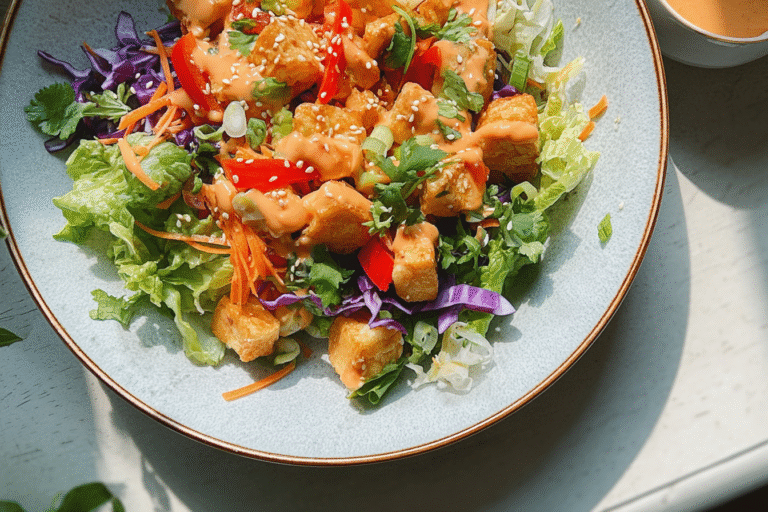
Spring Roll Salad
🥗🍜 Fresh deconstructed spring rolls deliver crunchy veggie bliss, chewy noodles, zesty peanut dressing—no frying mess!
🌿 20-minute vegan powerhouse packs fiber, vitamins; customizable proteins for light lunches or meal prep magic!
- Total Time: 25 minutes
- Yield: 4 servings
Ingredients
– 8 oz rice vermicelli noodles
– 2 large carrots, shredded
– 1 large English cucumber, cut into matchsticks
– 1 red bell pepper, thinly sliced
– 2 cups shredded red cabbage
– 1/2 cup fresh mint leaves
– 1/2 cup fresh Thai basil
– 1/2 cup fresh cilantro
– 1 lb protein (grilled shrimp, chicken, tofu, or pork)
– 1/2 cup roasted peanuts, crushed
– Lime wedges
– 1/4 cup natural peanut butter
– 2 tablespoons fresh lime juice
– 2 tablespoons soy sauce or tamari (for gluten-free option)
– 1 tablespoon honey or maple syrup
– 1 tablespoon rice vinegar
– 1 teaspoon sesame oil
– 1 clove garlic, minced
– 1 teaspoon fresh ginger, grated
– 1 teaspoon sriracha or chili garlic sauce (optional)
– 2-3 tablespoons water
Instructions
1-First Step: Prepare the Rice Noodles Start by cooking your rice vermicelli noodles according to the package instructions. Typically, this involves placing them in a bowl of boiling water for 3-5 minutes until tender but still slightly al dente. Avoid overcooking as they will continue to soften when dressed. Once cooked, drain the noodles thoroughly and rinse them under cold water to stop the cooking process and remove excess starch. Shake off as much water as possible, then set aside in a colander while you prepare the other components. This rice noodle salad foundation should be cooled completely to prevent wilting the fresh vegetables.
2-Second Step: Prepare the Vegetables and Herbs While your noodles cool, focus on creating beautiful, uniform vegetable cuts that will provide the perfect texture in every bite. Peel and julienne the carrots into thin matchsticks, approximately 2-3 inches long for the most pleasant eating experience. For the cucumber, slice it in half lengthwise, remove the seeds with a spoon, then cut into similar matchstick-sized pieces. Thinly slice the red bell pepper and shred the cabbage, aiming for pieces that mix well with the noodles rather than dominating the bowl. For the herbs, remove the leaves from their stems and roughly chop them. You don’t need perfect uniformity here the combination of different leaf sizes adds visual appeal and varying flavor concentrations. Keep the mint, basil, and cilantro separate until assembling, as they have different durability once dressed. These fresh herbs are what truly distinguish this as an authentic Vietnamese salad, so don’t be shy with them!
3-Third Step: Prepare Your Protein For grilled shrimp, season with salt, pepper, and a little garlic powder before grilling or pan-searing for 2-3 minutes per side until pink and opaque. If using chicken breasts, slice them thinly against the grain before cooking to ensure tender, quick-cooking pieces. For tofu, press it for 15 minutes to remove excess moisture, cut into cubes, then pan-fry until golden and crispy on all sides. Once cooked, let your protein cool slightly before cutting it into bite-sized pieces. This prevents the residual heat from wilting the fresh vegetables when you assemble the salad. If you’re preparing this in advance, you can cook and refrigerate your protein up to a day ahead, making assembly even faster when you’re ready to eat.
4-Fourth Step: Make the Peanut Dressing The dressing is what brings all the components of this spring roll salad peanut sauce harmony together. In a small bowl, whisk together the peanut butter, lime juice, soy sauce (or tamari), honey, rice vinegar, sesame oil, minced garlic, grated ginger, and sriracha if using. The mixture will be thick at first, so gradually add water while whisking until you reach a pourable consistency similar to heavy cream. Taste and adjust the seasoning as needed add more lime juice for brightness, more honey for sweetness, or more sriracha for heat. This deconstructed spring rolls dressing should balance sweet, sour, salty, and spicy flavors, with the rich peanut taste as the foundation. The dressing can be made up to five days in advance and stored in the refrigerator, but bring it to room temperature and whisk again before using, as the peanut butter tends to thicken when cold.
5-Final Step: Assemble and Serve In a large serving bowl, combine the cooled noodles, prepared vegetables, fresh herbs, and cooked protein. Pour about three-quarters of the dressing over the salad and toss gently but thoroughly to coat all components evenly. Add more dressing as needed to reach your desired level of coverage some prefer a lighter coating while others like their salad more heavily dressed. Transfer the salad to individual serving bowls or plates, being mindful to distribute the ingredients evenly. Top each serving with crushed roasted peanuts for a satisfying crunch and garnish with lime wedges on the side. For the most vibrant presentation, reserve a small amount of the colorful vegetables and herbs to arrange on top after tossing. Serve immediately at room temperature or chilled, depending on your preference, and enjoy this fresh, healthy spring roll salad that captures all the essence of Vietnamese spring rolls without the rolling work!
Last Step:
Please leave a rating and comment letting us know how you liked this recipe! This helps our business to thrive and continue providing free, high-quality recipes for you.Notes
🥬 Crisp veggies key—prep just before serving or plunge in ice water post-cut.
🥜 Toast peanuts 2 min for deeper flavor pop.
🍋 Shake dressing vigorously if separated; extra lime wakes up flavors.
- Prep Time: 20 minutes
- Cook Time: 5 minutes
- Category: Salad
- Method: No Cook
- Cuisine: Vietnamese
- Diet: Vegan
Nutrition
- Serving Size: 2 cups
- Calories: 380 kcal
- Sugar: 7g
- Sodium: 550mg
- Fat: 18g
- Saturated Fat: 3g
- Unsaturated Fat: 14g
- Trans Fat: 0g
- Carbohydrates: 45g
- Fiber: 6g
- Protein: 12g
- Cholesterol: 0mg